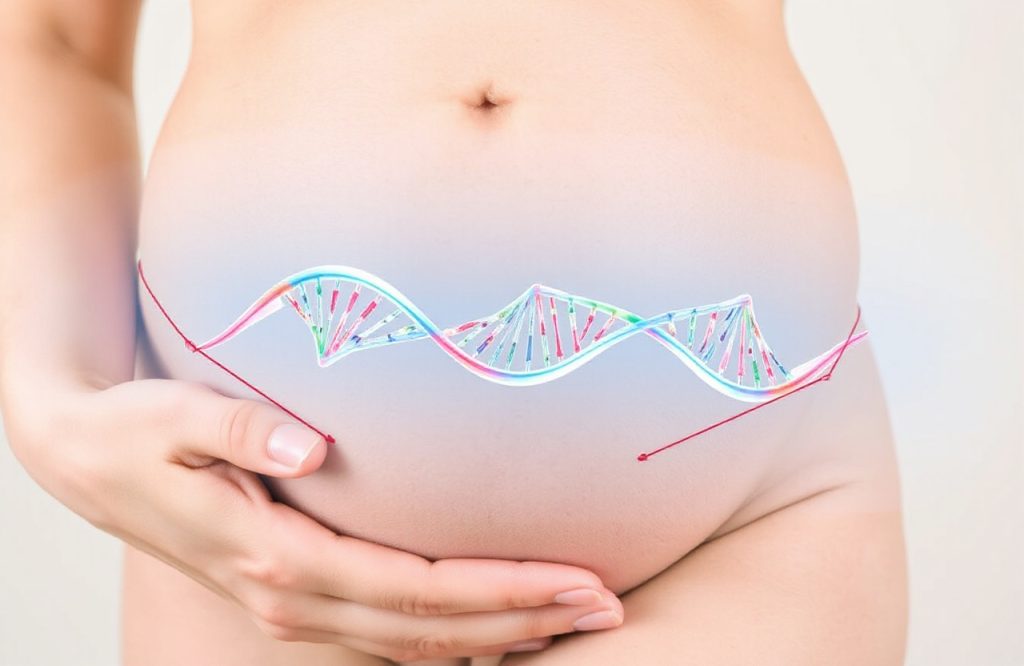
Study Links Pregnancy Duration to DNA Changes in Children
Understanding Preterm Birth
A recent study explored the relationship between pregnancy duration and DNA alterations in children. Preterm birth, defined as the delivery of a baby before 37 weeks of gestation, affects five to ten percent of births worldwide. This early arrival is linked to a heightened risk of various health issues, including lung diseases, vision problems, and neurodevelopmental disorders.
The Role of Epigenetics
Epigenetics examines modifications in gene activity influenced by environmental and health factors, without changing the actual DNA sequence. The epigenome, which encompasses chemical modifications to DNA, is crucial for regulating fetal growth and development. One significant epigenetic process, DNA methylation, impacts gene activation levels and the production of specific proteins. Research indicates that DNA methylation patterns correlate with environmental factors related to preterm birth, such as maternal smoking, air pollution, and nutritional intake. Studies suggest that DNA methylation status at birth may reflect developmental progress throughout pregnancy, indicating potential links to health outcomes associated with gestational length.
Study Overview
The research, published in *Genome Medicine*, was carried out by the International Pregnancy and Childhood Epigenetics (PACE) consortium. The team analyzed DNA methylation levels and pregnancy duration in over 6,000 newborns across more than twenty studies. They also examined DNA methylation in older children aged four to eighteen.
Findings on DNA Methylation and Fetal Development
The study identified DNA methylation changes in thousands of genes from umbilical cord blood, which corresponded to pregnancy duration. These modifications appeared to reflect developmental processes in fetal lung and brain tissues. Notably, the majority of DNA methylation changes observed at birth did not continue into childhood, with approximately 17 percent of children showing stable DNA methylation levels from birth through adolescence.
Impact of Environmental Factors
Contributions from researchers in the PACE consortium highlighted that maternal smoking and air pollution during pregnancy led to significant DNA changes in offspring. Additionally, the study identified DNA alterations associated with aging and conditions such as asthma, obesity, and allergies. According to Dr. Melen, a study author, future research will focus on determining whether these DNA changes are connected to health issues related to preterm birth.
Implications for Future Research and Care
The findings from this study may offer important insights into fetal development and present new opportunities for improving care for premature infants, potentially reducing long-term health complications.
References
Merid SK, Novoloaca A, Sharp GC et al. (2020). Epigenome-wide meta-analysis of blood DNA methylation in newborns and children identifies numerous loci related to gestational age. Genome Medicine. doi: 10.1186/s13073-020-0716-9
Length of pregnancy alters the child’s DNA. (2020, March 2). Retrieved from https://www.eurekalert.org/pub_releases/2020-03/ki-lop030220.php
Image by Arek Socha from Pixabay.