Study on PTSD in Refugees and Its Impact on Parenting and Children’s Well-Being
Background on Refugees and Mental Health
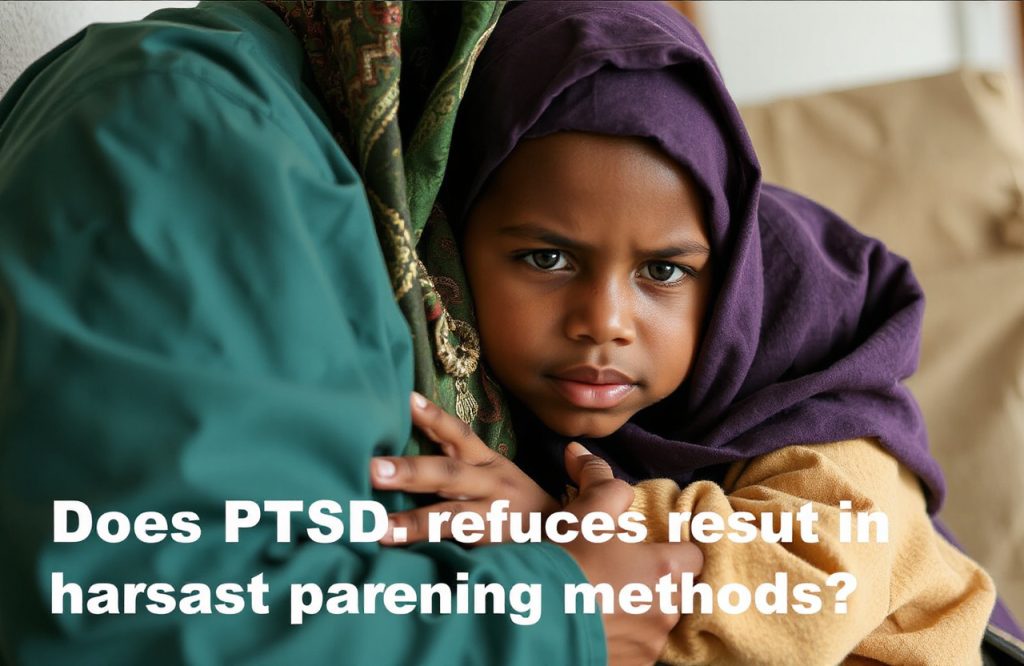
A recent study examined the primary factors contributing to post-traumatic stress disorder (PTSD) among refugees and its effect on parenting behaviors and the well-being of children. Currently, there are over 20 million refugees worldwide, with a significant portion being children. The refugee experience is often marked by hardship and instability, leading to a notable prevalence of mental health issues within this community. High levels of PTSD are particularly concerning, as prior research has established a link between parental PTSD and deteriorating mental health in children. However, extensive research specifically focusing on refugee populations has been limited.
Details of the Study Conducted in Australia
The recent longitudinal study, conducted in Australia, involved 394 refugee caregivers and 660 of their children. Over a two-year period, researchers gathered data through interviews to assess mental well-being and parenting behaviors, along with information regarding the mental health of their children.
Findings on PTSD Symptoms and Parenting Styles
Published in The Lancet Public Health, the study revealed a direct correlation between parental PTSD symptoms and a tendency towards harsher parenting styles. Such parenting approaches were associated with various emotional issues in children, including hyperactivity, conduct problems, and difficulties in peer relationships. The trauma experienced by caregivers emerged as a critical factor linked to both parental PTSD and children’s mental health challenges. Notably, a significant proportion of refugees exhibited elevated PTSD levels (38%) even years after migration, indicating a persistent nature of these symptoms.
Limitations of the Study’s Conclusions
While this study is distinguished by its large sample size—far greater than many previous studies—it cannot definitively assert that PTSD causes harsh parenting practices. Instead, it highlights the connections between parental styles, PTSD, and children’s mental health issues. Other factors, such as substance abuse and family dynamics, may also contribute to these challenges.
Cultural Considerations in Measuring Parenting
An important consideration in this research is the potential cultural bias in measuring parental behavior. The methods used to assess harsh parenting may not adequately account for cultural differences, which could impact the study’s conclusions.
Implications for Therapeutic Interventions
Despite these limitations, this study underscores a significant relationship between environmental stressors and parenting behaviors. The findings emphasize the urgent need for improved therapeutic systems tailored for refugees. Untreated PTSD in parents could jeopardize their children’s well-being, perpetuating cycles of mental health issues.
Reference
Bryant, Richard A, et al. “The Effect of Post-Traumatic Stress Disorder on Refugees Parenting and Their Children’s Mental Health: a Cohort Study.” The Lancet Public Health, vol. 3, no. 5, 2018, doi:10.1016/s2468-2667(18)30051-3.