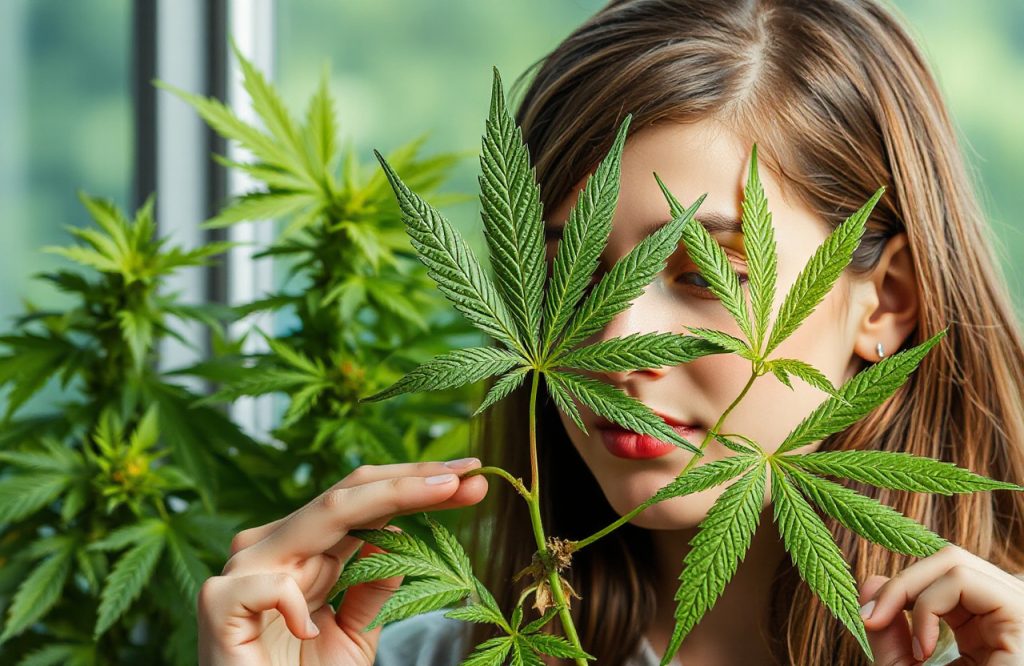
Research on Marijuana Use and Anxiety Disorders in Teenagers
Understanding Anxiety Disorders
Anxiety disorders represent the most prevalent category of mental health issues in the United States, with 31.1% of the population experiencing such disorders at some point in their lives. These disorders encompass various types, including generalized anxiety disorder, social anxiety, panic disorder, and phobias. Although symptoms are often not visible to others, they can be profoundly debilitating, significantly affecting an individual’s overall health and well-being.
High Prevalence Among Teenagers
The incidence of anxiety disorders is notably higher among adolescents, with 31.9% of U.S. teenagers aged 13-18 affected. The adverse effects of these disorders may lead young individuals to self-medicate through alternative methods, such as marijuana use. However, the long-term effects of marijuana on the developing brain remain uncertain, particularly since adolescence is a crucial stage for brain development.
Effects of THC on Stress Response
Tetrahydrocannabinol (THC), the psychoactive component in marijuana, produces the sensation of being “high.” A study conducted in 2018 in Spain, published in the journal *Neuropharmacology*, explored the effects of THC on adolescent mice and their ability to cope with stress in adulthood.
Methodology of the Study
In this study, adolescent male and female mice were housed in controlled environments and divided into an intervention group and a control group. The intervention group received increasing doses of THC, administered in diluted ethyl alcohol, at 3 mg, 6 mg, and 12 mg per kg of body weight to prevent drug tolerance. The control group received a placebo.
The same experiment was replicated in adult mice to assess age-dependent effects. Following five days of THC exposure, both groups were subjected to various stressors, including forced swimming, restraint, and tail suspension, over a period of 15 days. Observers, unaware of which mice received THC, recorded behavioral responses.
When the mice matured, researchers applied shocks to evaluate their behavioral reactions, neuronal activity related to fear, and levels of fear extinction, which is the reduction of fear response following previous stress.
Findings on Fear Extinction
The results indicated that adolescent mice exposed to THC and stress exhibited a reduced capacity for fear extinction in adulthood. In contrast, no significant effects were observed in mice that experienced either stress or THC exposure separately, nor in those that received neither. The diminished fear extinction was linked to decreased neuronal activity in specific brain regions and alterations in the brain’s fear circuitry.
Implications of Adolescent Marijuana Use
The study concluded that in the tested population of mice, THC exposure combined with stress during adolescence correlated with impaired fear extinction in adulthood. These findings imply that marijuana use in adolescence could potentially hinder stress-coping mechanisms in later life, raising questions about its effectiveness as a treatment for anxiety disorders during this critical developmental phase.
Further research is essential to explore the long-term implications of THC on brain function; however, current evidence suggests that marijuana may not be a viable or sustainable treatment option for anxiety disorders in adolescents.
References
1. Any Anxiety Disorder. (2017, November). Retrieved January 21, 2019, from https://www.nimh.nih.gov/health/statistics/any-anxiety-disorder.shtml
2. Beyondblue. (n.d.). Retrieved January 21, 2019, from https://www.beyondblue.org.au/the-facts/anxiety/types-of-anxiety
3. Meyers, K. M., Ressler, K. J., & Davis, M. (2006). Different Mechanisms of Fear Extinction Dependent on Length of Time since Fear Acquisition. *Learning Memory*, 13(2), 216-223. doi:10.1101/lm.119806
4. Saravia, R., Ten-Blanco, M., Julià-Hernández, M., Gagliano, H., Andero, R., & Armario, A. et al. (2019). Concomitant THC and stress adolescent exposure induces impaired fear extinction and related neurobiological changes in adulthood. *Neuropharmacology*, 144, 345-357. doi: 10.1016/j.neuropharm.2018.11.016