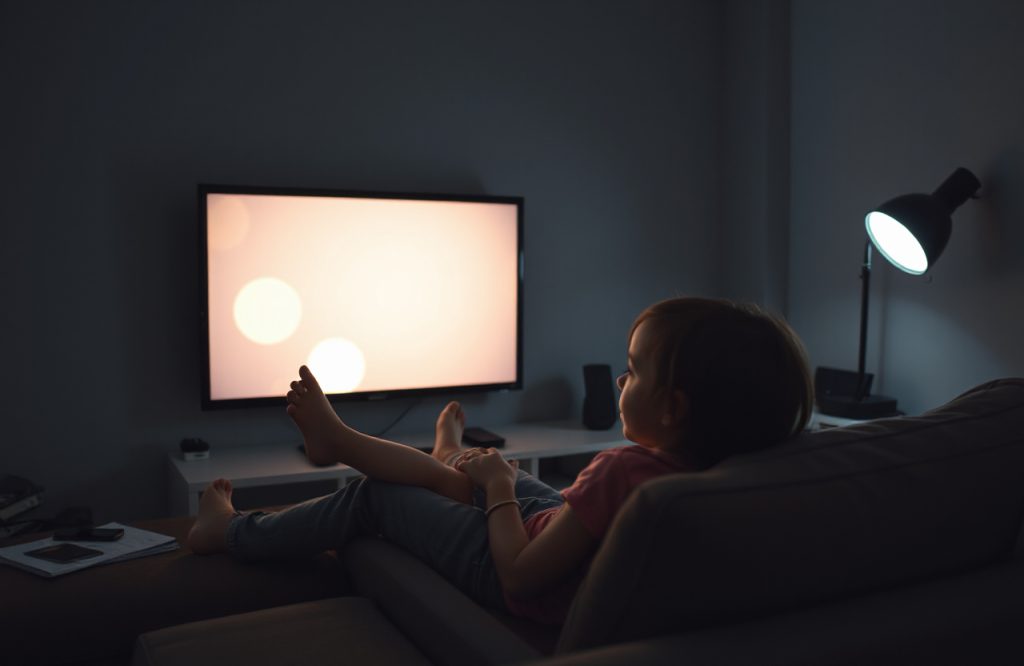
Impact of Television on Sleep in Preschoolers
Importance of Sleep for Development
A study utilizing smartwatches to assess sleep patterns in preschoolers with televisions in their rooms highlights the significant effects on sleep quality and duration. Sleep quantity and quality are crucial for healthy development in children. The American Centers for Disease Control and Prevention recommends that toddlers and preschoolers aged 1 to 5 should receive between 11 to 14 hours and 10 to 13 hours of sleep daily, respectively. However, insufficient sleep is just one aspect of the problem; maintaining good sleep quality is equally vital. The World Health Organization (WHO) emphasizes that quality sleep is essential for the development and overall health of children throughout their lives.
Screen Time Recommendations
Screen time has been linked to negative consequences on sleep among preschoolers. Current WHO guidelines advise limiting TV and other screen time to one hour per day for children aged 2 to 4 years. Additionally, other pediatric organizations support these recommendations, encouraging parents to engage in high-quality television viewing with their preschoolers. Overall, the consensus among these guidelines is that reducing or eliminating screen time is beneficial for both health and sleep in young children.
Study Overview
Research Conducted by Dr. Rebecca Spencer
A recent study published in *Sleep Health*, a journal of the National Sleep Foundation, was led by Dr. Rebecca Spencer, a neuroscientist from the University of Massachusetts Amherst. The research involved 470 preschoolers from Western Massachusetts. Dr. Spencer noted, “Given that we already have some data about why sleep and naps are important for young kids, we decided to look into what are the factors that determine when they sleep, how they sleep and why they sleep.”
Methodology
The preschoolers in the study wore an actigraph watch, a digital device similar to a smartwatch, for a duration of 16 days. Their caregivers provided demographic information and details regarding television habits through questionnaires.
Findings
Effects of Television on Sleep Duration
The study revealed that preschoolers who watch TV sleep an average of 22 minutes less each night, which accumulates to a loss of 2.5 hours per week. Alarmingly, 36% of the participants had a TV in their rooms, and 33% of these children frequently fell asleep while watching age-inappropriate shows. Those with televisions in their rooms experienced 30 minutes less sleep each night compared to their peers without TVs, and daytime napping did not compensate for this sleep deficit.
Parental Misconceptions
Dr. Spencer aims to inform parents who may believe that television helps their children relax and fall asleep. “The good news is, this is addressable,” she states, adding, “Parents assumed that TV was helping their kids wind down. But it didn’t work. Those kids weren’t getting good sleep, and it wasn’t helping them fall asleep better. It’s good to have this data.”
Compliance with Screen Time Guidelines
A significant finding from the study is that 54% of participants did not meet the WHO’s screen time recommendations on weekdays, with this number rising to 87% on weekends. The study concludes that television viewing adversely affects both the quality and quantity of sleep in preschoolers.
Future Research Directions
Dr. Spencer plans to explore the impact of smaller screens, such as tablets and smartphones, on the sleep patterns of children in future studies.
References
Helm AF, Spencer R MC. Television use and its effects on sleep in early childhood. Journal of the National Sleep Foundation, 2019.
Sleep fact sheet. Available from: https://www.cdc.gov/sleep/about_sleep/how_much_sleep.html