Rising Incidence of Skin Cancer in the United States
Overview of Skin Cancer Statistics
Skin cancer cases are increasing in the United States, with nearly five million diagnoses reported annually. Early detection is critical, as it significantly enhances survival rates. Consequently, regular screenings are recommended for individuals at higher risk of developing skin cancer.
High-Risk Groups for Skin Cancer
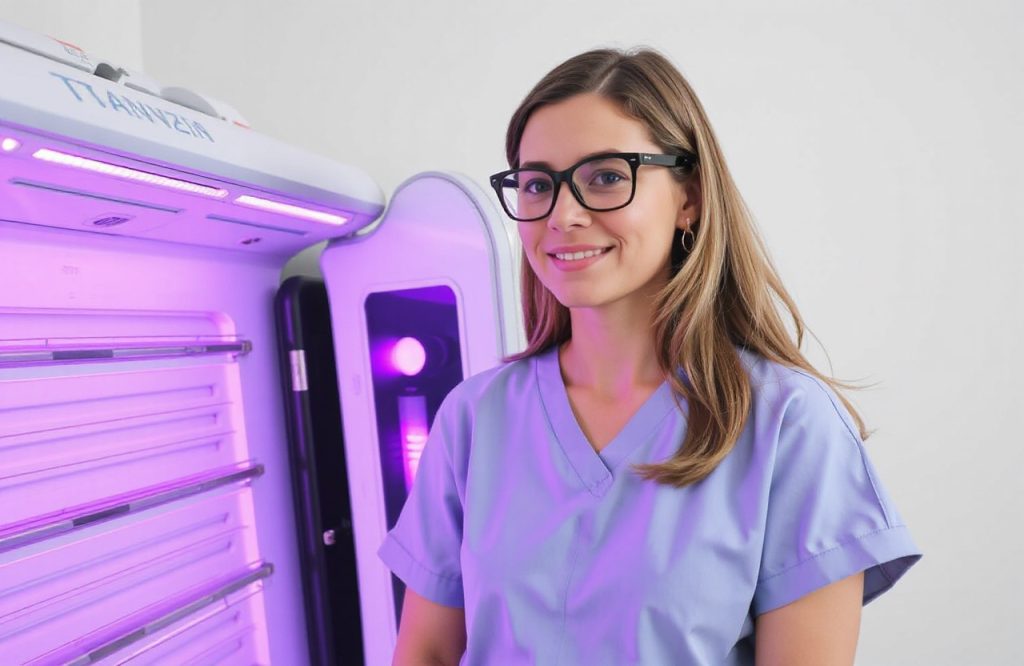
Individuals who frequently use indoor tanning beds are particularly vulnerable to skin cancer due to repeated exposure to ultraviolet (UV) radiation. It is widely recognized that indoor tanners face a substantially higher risk of developing melanoma and keratinocyte skin cancers.
Regulations Surrounding Indoor Tanning
FDA Warnings and Requirements
In 2014, the U.S. Food and Drug Administration (FDA) mandated the inclusion of warning labels and risk acknowledgment certificates for indoor tanning services. These warnings inform users about the dangers of UV exposure and the necessity of regular skin cancer checkups. However, the visibility of these warnings remains inadequate.
Research on Tanning and Skin Cancer Screening
Conflicting data has emerged from previous studies regarding the relationship between indoor tanning and skin cancer screening rates. To further investigate this issue, researchers in the United States evaluated screening rates among indoor tanners and non-tanners, along with the factors influencing these rates. Their findings were published in JAMA Dermatology.
Study Methodology and Findings
Data Collection and Analysis
The researchers utilized survey data from the 2015 National Health Interview Survey, which included responses from 30,352 American adults. Statistical analysis was performed on the collected data, defining indoor tanning as the use of sunlamps, sunbeds, or tanning booths.
Screening Rates Among Tanners and Non-Tanners
The study revealed that 30.18% of indoor tanners had undergone skin cancer screening, compared to 19.53% of non-tanners. Although this represents a small proportion of indoor tanners and falls short of FDA recommendations, it does indicate a higher likelihood of screening among indoor tanners. Furthermore, the study noted that indoor tanners tended to be screened at a younger age than their non-tanning counterparts.
Implications and Recommendations
Need for Enhanced Warnings and Accessibility
The study’s results highlight the necessity for improved resources to promote skin cancer screening. The authors advocate for stronger warnings and tighter regulations concerning indoor tanning facilities and devices. They also emphasize the importance of making skin cancer screening more accessible within the healthcare system, particularly for low-income individuals.
Promoting Sun Safety
To safeguard skin health, the authors recommend emphasizing sunscreen use while discouraging indoor tanning practices. Given that the skin is the body’s largest organ, it is vital to prioritize its care and protection.
Reference
Heckman, C. J., Handorf, E. & Auerbach, M. V. (2018). Prevalence and Correlates of Skin Cancer Screening Among Indoor Tanners and Nontanners, JAMA Dermatology, E1–E7. http://doi.org/10.1001/jamadermatol.2018.0163