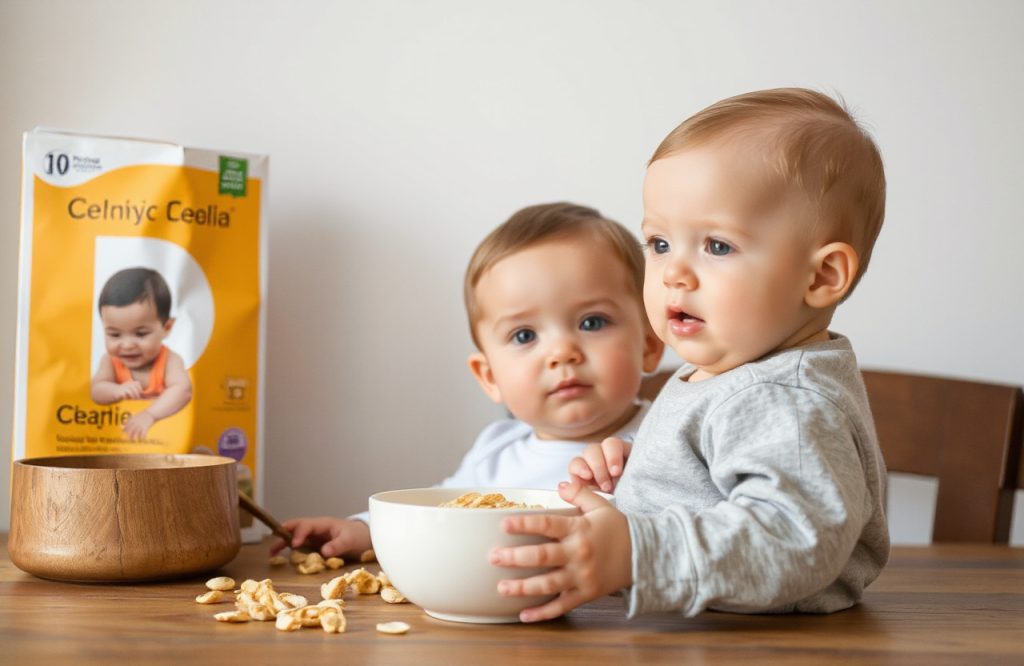
Study Examines Benefits of Baby Cereal on Nutrient Status in Infants
Introduction to Baby Cereal Consumption
A recent study has highlighted the advantages of baby cereal for infants’ nutrient intake. Fortified baby cereal is typically the first solid food introduced to infants. By the age of four to six months, approximately 65% of infants consume baby cereals, which remain a staple food for up to one year.
Importance of Nutrition in Early Development
Given that nutrition significantly influences future health outcomes, researchers aimed to evaluate the nutritional value of baby cereals among regular consumers. The findings were published in the journal AIMS Public Health.
Methodology of the Study
The study analyzed data from over 5,500 children sourced from the National Health and Nutrition Examination Survey (NHANES). Researchers assessed food intake patterns for infants and toddlers from birth to 23 months, categorizing them into four age groups: birth to three months, four to six months, seven to 11 months, and 12 to 23 months. Among the participants, 3,910 infants and toddlers were identified as non-cereal consumers, while 1,677 regularly consumed baby cereals, with rice baby cereal being the preferred choice for over half of these infants.
Key Findings on Nutrient Intake
The results indicated that infants and toddlers who consumed baby cereals had significantly higher intake levels of essential nutrients, including carbohydrates, iron, calcium, magnesium, zinc, and vitamin E, compared to those who did not consume cereals. This higher nutrient intake corresponded to a reduced percentage of the population experiencing inadequate levels of iron, calcium, and vitamin E.
Nutrient Intake Trends by Age
For infants introduced to baby cereal by six months of age, researchers noted increased consumption of total calories, carbohydrates, whole grains, and microelements such as calcium, iron, magnesium, vitamin A, and B6. However, this group also exhibited higher total fat and sugar intake. The trends persisted for infants aged seven to 11 months, who continued to show increased intake of carbohydrates, vitamin E, calcium, iron, zinc, and magnesium, but with lower intake of total fat, monounsaturated fatty acids, and total cholesterol. After one year, baby cereal consumers maintained higher intakes of vitamin E, iron, and zinc.
Conclusions and Recommendations
The researchers concluded that the study demonstrates significant benefits regarding nutrient status when baby cereal is introduced during the first two years of life. While further research is warranted, they recommend that dietary guidelines for infants should incorporate baby cereal to promote healthy growth and development.
References
A Nicklas, T., O’Neil, C., and Fulgoni III, V., 2020. Nutrient intake, introduction of baby cereals and other complementary foods in the diets of infants and toddlers from birth to 23 months of age. AIMS Public Health, 7(1), pp.231-147.
EurekAlert!. 2020. New Research Finds Infant Cereal Consumption Is Associated With Improved Nutrient Intake. Available at: [Accessed 12 March 2020].