Early Identification of Diabetes and Its Importance
The Role of Periodontitis as an Indicator
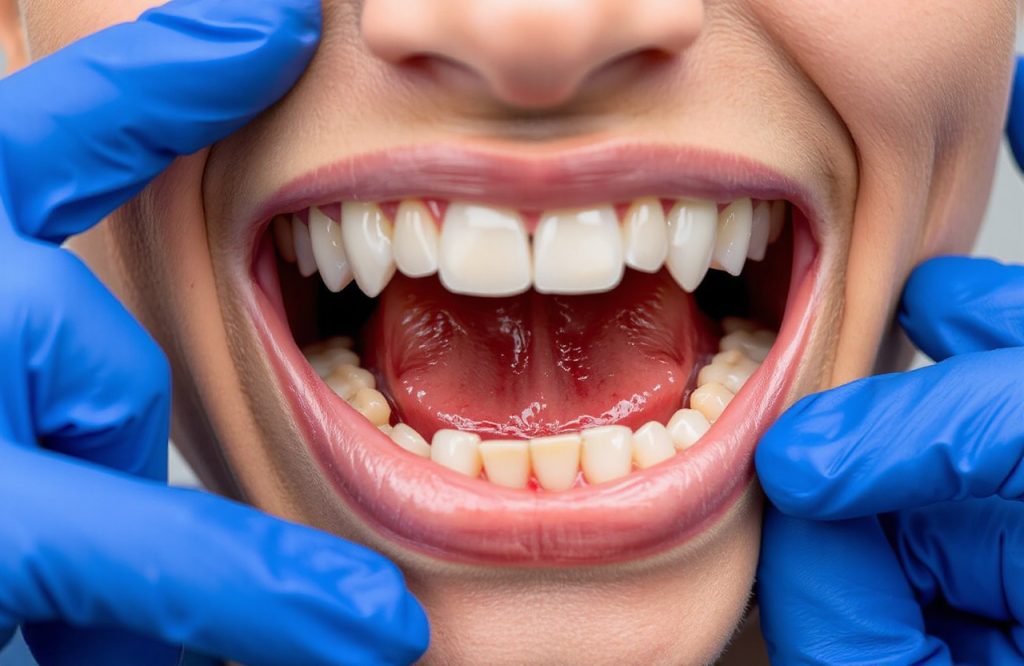
Identifying diabetes at an early stage is crucial for preventing serious health complications associated with the disease. Periodontitis, a form of inflammatory gum disease, may serve as an early warning sign of prediabetes. Consequently, dental offices could be effective locations for prediabetes screening.
Increasing Prevalence of Diabetes
Diabetes is becoming increasingly common and poses significant risks for various complications. Due to a lack of early symptoms and insufficient public awareness, diabetes is often diagnosed later, when the likelihood of complications rises. Early detection and intervention are vital for effective diabetes management, prompting researchers to explore prediabetes screening for identifying early risk factors.
Connection Between Oral Health and Diabetes
Periodontitis and Its Implications
Research has established a link between oral health issues, particularly periodontitis, and diabetes. Periodontitis is a chronic inflammatory condition that can lead to tooth loss. Furthermore, uncontrolled diabetes can worsen the severity and frequency of periodontitis. Given this connection, it is recommended that dental clinics be equipped with prediabetes screening tools for patients diagnosed with periodontitis.
Research Study on Screening in Dental Clinics
Study Details and Methodology
A recent study published in BMJ Open Diabetes Research and Care by Teeuw et al. investigated the feasibility of using a dental clinic as a prediabetes screening site. The study was conducted at a university dental clinic, where glycated hemoglobin (HbA1c) measurements from dried blood spots were utilized for screening. HbA1c levels reflect an individual’s average blood sugar levels over the past two to three months, with higher levels indicating a greater likelihood of diabetes.
Findings of the Study
The researchers hypothesized that patients with periodontitis would exhibit a higher prevalence of prediabetes. A total of 313 patients were evaluated, with 78 classified as having severe periodontitis, 126 with mild to moderate periodontitis, and 109 without gum disease. The results supported the hypothesis, revealing that over 18% of patients with severe periodontitis had HbA1c levels within the diabetic range, nearly double the rates found in the mild to moderate and control groups.
Collaboration for Improved Treatment
Moreover, addressing metabolic dysregulation associated with diabetes can also benefit periodontitis treatment. This suggests that collaboration between dentists and diabetologists may enhance the management of both conditions. It is important to note that HbA1c levels may overestimate diabetes prevalence, as indicated by the study, where the diagnosed diabetes percentage was higher than that observed in the general population. Nevertheless, even when adjusting the HbA1c threshold to align with general population diabetes rates, patients with mild to moderate and severe periodontitis still demonstrated a higher risk of diabetes mellitus compared to controls.
Conclusion
These findings advocate for the utilization of dental clinics as screening venues for prediabetes, which could significantly diminish complications related to the late diagnosis of diabetes mellitus.
Written By: Wesley Tin, MBSc