Transformation of Medical Education
Evolving Learning Methods
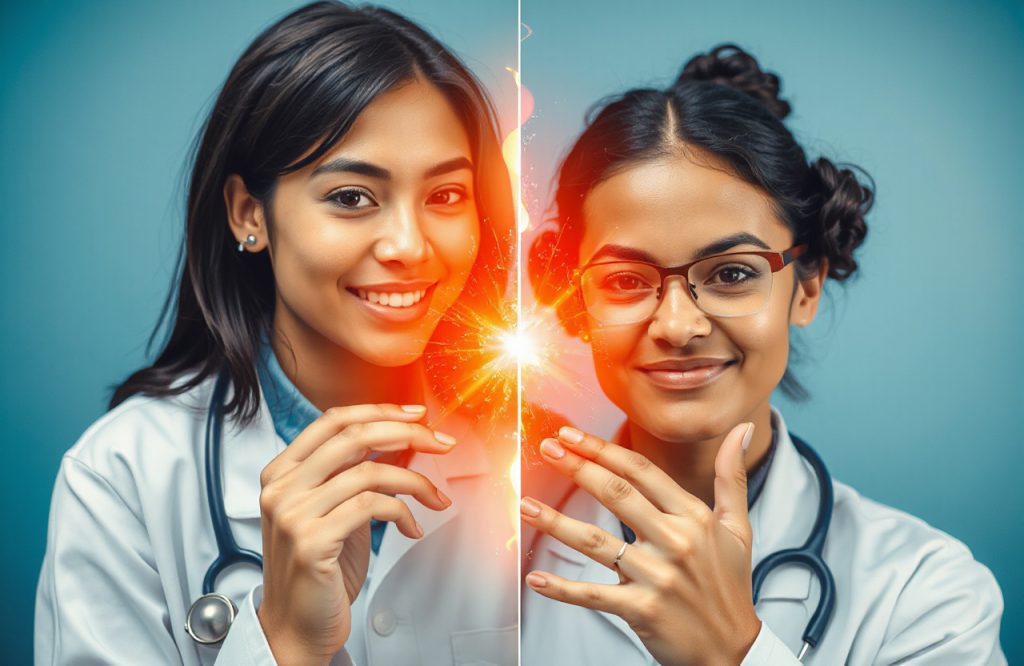
The landscape of medical education has significantly changed in recent years. The era of solely relying on textbooks and lengthy lectures has passed. Current healthcare training embraces a fusion of established medical knowledge with innovative digital tools. This evolution is essential for equipping future healthcare professionals with effective learning experiences tailored to their needs.
Modern Approaches to Medical Training
Digital tools are revolutionizing medical education. Virtual reality simulations and interactive platforms have emerged as influential teaching resources. For instance, students enrolled in clinical nurse leader online master’s programs have shown higher engagement and improved knowledge retention through these modern learning strategies. These advancements enhance the learning experience for healthcare professionals across various levels.
Artificial intelligence (AI) and machine learning are increasingly integrated into medical training platforms, offering customized learning pathways and adaptive assessments. These technologies can identify gaps in knowledge, adjust difficulty in real-time, and provide targeted feedback, enabling students to grasp complex medical concepts more effectively. For example, AI-driven diagnostic training tools present numerous virtual patient cases to help students develop critical pattern recognition skills that traditionally required years of clinical experience.
Mobile learning platforms have also become integral to contemporary medical education. These platforms allow students and healthcare professionals to access educational resources conveniently, fitting into their busy schedules. Featuring micro-learning modules, interactive flashcards, and real-time collaboration tools, mobile platforms enhance the accessibility and efficiency of ongoing medical education. Research indicates that those who utilize mobile learning alongside traditional methods exhibit better knowledge retention and higher scores on certification exams.
Generational Learning Preferences in Healthcare
Modern medical education recognizes that a single approach does not suit all learners. Younger medical professionals often favor multimedia and interactive content, while seasoned practitioners typically appreciate a balanced combination of traditional and modern methods. This diversity necessitates flexibility to engage all learners effectively.
The incorporation of social learning platforms and collaborative tools is crucial for bridging generational divides. Younger healthcare professionals are adept at crowd-sourcing information and engaging in online medical communities, while experienced practitioners contribute valuable insights. This cross-generational collaboration fosters a rich learning environment where traditional clinical wisdom meets contemporary medical knowledge, benefiting practitioners at all career stages.
Evidence-Based Educational Strategies
The effectiveness of various teaching methods is evident in improved student performance. These approaches are not arbitrary; they represent carefully designed combinations of hands-on practice, digital simulations, and collaborative learning. The goal is to create an educational experience that equips individuals to tackle real-world challenges in healthcare.
Recent studies indicate that incorporating gamification into medical education can enhance engagement and knowledge retention by as much as 40%. By integrating achievement systems, competitive elements, and progress tracking, educational programs leverage the brain’s reward mechanisms. These game-like features transform potentially monotonous medical content into captivating learning experiences that sustain high levels of student motivation while ensuring academic rigor and professional standards.
Impact on Healthcare Quality
The implications of these innovative teaching strategies extend beyond simplifying learning; they are also enhancing healthcare delivery. Healthcare workers trained through these integrated methods consistently exhibit improved patient care skills and superior clinical decision-making capabilities. Thus, it is evident that better teaching methodologies contribute to the development of more competent healthcare providers.
Medical education is undergoing a significant transformation fueled by technological advancements and the necessity for efficient teaching. Institutions that adopt these innovative strategies report better outcomes across various facets of healthcare education. As the healthcare field continues to evolve, the adoption of flexible and innovative educational practices is essential for cultivating the healthcare leaders of tomorrow.
The positive effects of improved medical education extend beyond individual performance, resulting in systemic enhancements in healthcare delivery. Organizations that implement modern training strategies report fewer medical errors, increased patient satisfaction, and enhanced communication across departments. Moreover, healthcare facilities that engage in simulation-based team training have noted significant advancements in emergency response times and improved results in high-pressure medical situations.