New Potential Arthritis Treatment Prevents Cartilage Breakdown
Overview of Osteoarthritis
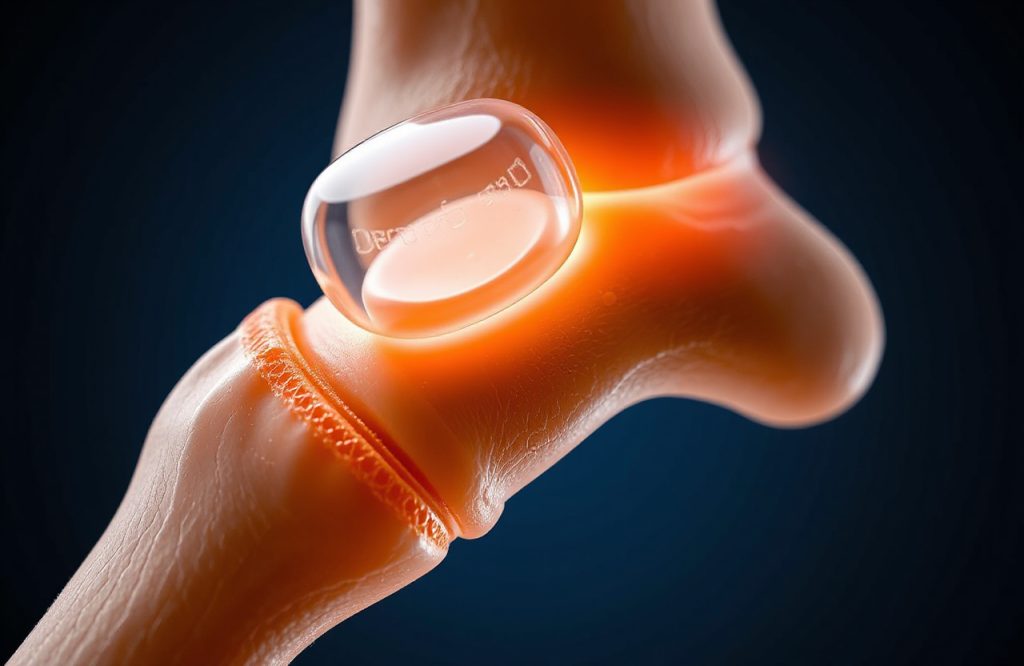
A recent study conducted by researchers in the United States has identified a promising new treatment for arthritis that may prevent the breakdown of cartilage. Osteoarthritis, the most prevalent form of arthritis, impacts over 30 million individuals in the U.S. It is a chronic disease characterized by the gradual deterioration of cartilage in joints, often linked to aging or traumatic injuries. This debilitating condition leads to significant joint pain, particularly in the knees, hands, feet, and spine. Currently, no treatments exist that can effectively slow or reverse the cartilage deterioration associated with this disease.
Understanding Cartilage and Current Treatments
Cartilage is a smooth connective tissue that serves to protect joints, and once it is damaged, replacing it is a challenging task. Existing treatments for osteoarthritis mainly focus on alleviating pain rather than preventing further joint damage.
Innovative Drug Delivery Method
Development of a New Material
In their quest for better osteoarthritis treatments, engineers at the Massachusetts Institute of Technology (MIT) have created a new material capable of delivering drugs directly to cartilage. This innovative approach aims to facilitate the healing of damaged tissue. The effectiveness of this new material was tested in a study involving rats, with findings recently published in *Science Translational Medicine*.
Study Design and Findings
The study evaluated the delivery of insulin-like growth factor 1 (IGF-1) using the new material compared to traditional direct injection methods. Previous research indicated that IGF-1 could regenerate cartilage in animals by promoting cell growth and preventing cell death. However, the researchers cautioned that many effective arthritis treatments in animal studies have not translated well to human clinical trials, possibly due to inadequate drug retention within the joint.
Nanoparticle Technology
Mechanism of Nanoparticle Action
To address the challenges of drug retention, MIT engineers developed nanoparticles designed to penetrate and deliver IGF-1 deeply into cartilage. These nanoparticles are sphere-shaped molecules with branched structures that feature positive charges at their tips, allowing them to adhere to negatively charged cartilage.
Enhanced Drug Delivery and Longevity
When injected into the rat knee joints, the nanoparticles demonstrated a tenfold increase in longevity compared to direct IGF-1 injections. The concentration of IGF-1 remained therapeutically effective for approximately 30 days. Additionally, rats treated with the combination of nanoparticles and IGF-1 showed less cartilage damage and reduced joint inflammation compared to untreated joints or those receiving only the drug.
Implications for Human Treatment
Despite differences in cartilage thickness—0.1 millimeters in rat joints versus one millimeter in human joints—the researchers confirmed that the nanoparticles could effectively penetrate cartilage of human thickness. This is crucial for the potential application of this treatment in humans.
Future Directions and Potential Impact
Applications for Traumatic Injuries
These findings suggest a promising new treatment avenue for individuals suffering from traumatic injuries. Monthly or biweekly joint injections, as recommended by the researchers, could significantly mitigate joint damage. The team anticipates that this method could also be adapted to treat age-related osteoarthritis.
Next Steps in Research
Future research will focus on exploring the delivery of various drugs using this nanoparticle technology to assess their effectiveness in preventing and regenerating cartilage for both age-related and injury-related osteoarthritis.
References
Geiger, B. C., Wang, S., Padera Jr., R. F., Grodzinsky, A. J., & Hammond, P. T. (2018). Cartilage-penetrating nanocarriers improve delivery and efficacy of growth factor treatment of osteoarthritis. *Science Translational Medicine*. DOI: 1126/scitranslmed.aat8800
Potential arthritis treatment prevents cartilage breakdown. EurekAlert. Retrieved from https://www.eurekalert.org/pub_releases/2018-11/miot-pat112618.php. Accessed December 17, 2018.