Innovative Surgical Technique for Children with Acute Flaccid Myelitis
Overview of Acute Flaccid Myelitis
A surgeon based in New York has developed a groundbreaking technique aimed at restoring nerve function in children affected by acute flaccid myelitis (AFM). This condition bears similarities to polio and is caused by a virus that can swiftly damage the spinal cord, leading to lifelong paralysis in children. AFM is a relatively newly recognized illness in the United States, with 1,153 confirmed cases reported in 2014. The condition predominantly affects seven-year-old children, with a higher incidence in boys. While not all affected children develop paralysis, prior studies indicate that among 120 patients with acute flaccid paralysis, 118 experienced varying degrees of permanent paralysis, with only two achieving full recovery.
Lack of Treatment Options
Previously, there were no available treatment options for children suffering from this type of paralysis, and medical professionals often informed families that regaining movement in the arms was not possible. However, a team of doctors in New York has sought to change this narrative by developing a new surgical approach that has shown promising results, as detailed in the journal Pediatric Neurology.
Details of the Surgical Procedure
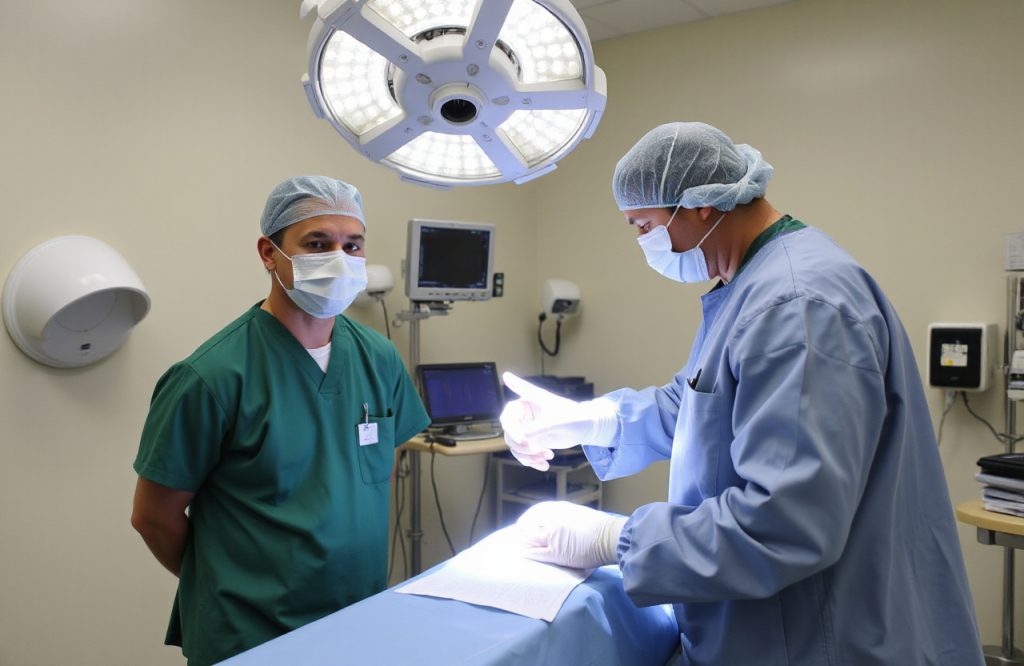
In this innovative procedure, nerves with normal function were harvested from other areas of the children’s bodies and transferred to the affected regions in their arms. The rationale behind this technique is that the newly introduced nerves can stimulate muscle movement in the arms, compensating for the nerves damaged by the disease. This nerve transfer strategy is adapted from treatments used for a similar nerve condition in adults known as brachial plexus injury, usually caused by trauma.
Outcomes and Future Implications
Two years post-surgery, both children demonstrated limited but noticeable improvement in arm movement, and they continue to make progress. Although the study’s findings are based on a small sample size of just two patients and lack a control group for comparison, the results offer hope to children and families grappling with the challenges posed by this debilitating condition.
Conclusion
The work of the New York surgical team represents a significant step forward in addressing the effects of acute flaccid myelitis on pediatric patients. As research continues, there is optimism that these findings could pave the way for more effective treatments in the future.
References
Saltzman E, Rancy S, Sneag D, Feinberg J, Lange D, Wolfe S. Nerve Transfers for Enterovirus D68 – Associated Acute Flaccid Myelitis: A case series. Pediatr Neurol. 2018. doi:10.1016/j.pediatrneurol.2018.07.018.
Photo by Hospital for Special Surgery: https://www.eurekalert.org/multimedia/pub/190343.php?from=417626