Understanding Congestive Heart Failure
Overview of Congestive Heart Failure
Each year, over a million new cases of congestive heart failure are diagnosed. This condition occurs when the heart muscle fails to pump blood efficiently, often due to weakening or stiffening over time. Various factors, including high blood pressure and coronary artery disease, can contribute to this decline in heart function. Unfortunately, not all underlying conditions leading to congestive heart failure are reversible.
Lifestyle Changes and Management
Implementing lifestyle changes such as regular exercise, weight loss, and dietary management can significantly improve the quality of life for patients. When combined with appropriate treatments aimed at alleviating symptoms, these changes can lead to extended longevity for individuals facing this condition.
Readmission Rates and Hospital Penalties
Statistics on Readmission
Nearly half of patients with congestive heart failure find themselves readmitted to the hospital within 90 days of discharge. Data reveals that 25% of these patients are readmitted within just 30 days, and this figure rises to 45% after 90 days. In response to these alarming rates, hospitals are now facing penalties for the readmission of heart failure patients, which can amount to approximately $500,000 annually for every 150 patients readmitted.
Innovative Solutions for Monitoring
Introduction of the Toilet-Seat-Based Cardiovascular System
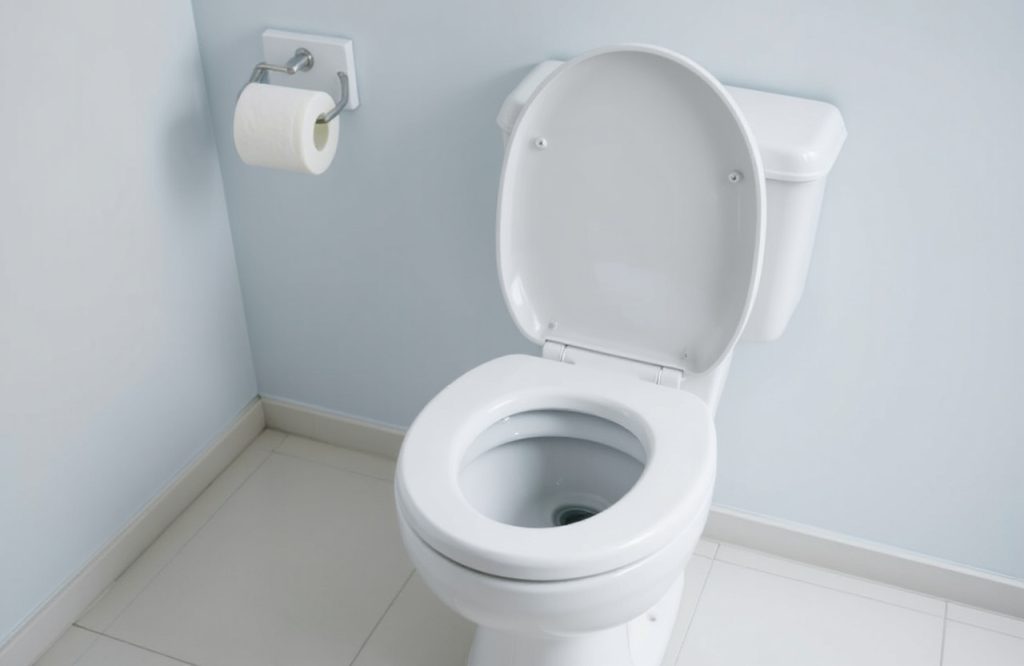
To combat high readmission rates, researchers at the Rochester Institute of Technology have developed an innovative toilet-seat-based cardiovascular monitoring system. This groundbreaking device allows hospitals to track patients’ health metrics both in the hospital and from the comfort of their homes.
Functionality of the Monitoring System
The specially designed toilet seat measures various aspects of cardiovascular health, including heart rate, blood pressure, blood oxygen levels, weight, and stroke volume, which indicates the volume of blood the heart pumps with each beat. Initial findings indicate that this monitoring system is accurate and consistent with established gold standard measures.
Proactive Health Monitoring
According to researchers, this system can identify deteriorating health conditions in patients before they become symptomatic. Data collected through the toilet seat is relayed to cardiologists for assessment and potential treatment intervention, something that has been difficult to achieve in home settings until now.
Future Implications and Cost-Effectiveness
Distribution and Cost Savings for Hospitals
The goal is for hospitals to purchase these monitoring systems and provide them to patients with congestive heart failure upon discharge. The estimated cost to equip 150 patients with this technology is around $200,000. Hospitals could, therefore, potentially recoup their investment and save more than double that amount within a year by reducing readmission rates.
Clinical Trials and FDA Approval
With the rapid analysis capabilities offered by the toilet seat data, patients may require fewer visits to physician offices for treatment, minimizing the need for hospital stays. The team behind this innovative product is currently conducting pre-clinical trials and is progressing toward obtaining FDA approval. Further clinical trials will be essential to validate the technology’s benefits, particularly in reducing hospitalizations due to congestive heart failure.
References
Toilet seat that detects congestive heart failure getting ready to begin commercialization. EurekAlert website https://www.eurekalert.org/pub_releases/2019-03/riot-tst032019.php. Accessed March 28, 2019. Conn NJ, Schwarz KQ, Borkholder DA. In-Home Cardiovascular Monitoring System for Heart Failure: Comparative Study. JMIR Mhealth Uhealth. 2019 Jan 18;7(1):e12419. doi: 10.2196/12419. Photo: https://www.eurekalert.org/multimedia/pub/196141.php