Exploring the Benefits of Home Health Care
The Growing Popularity of Home Health Care
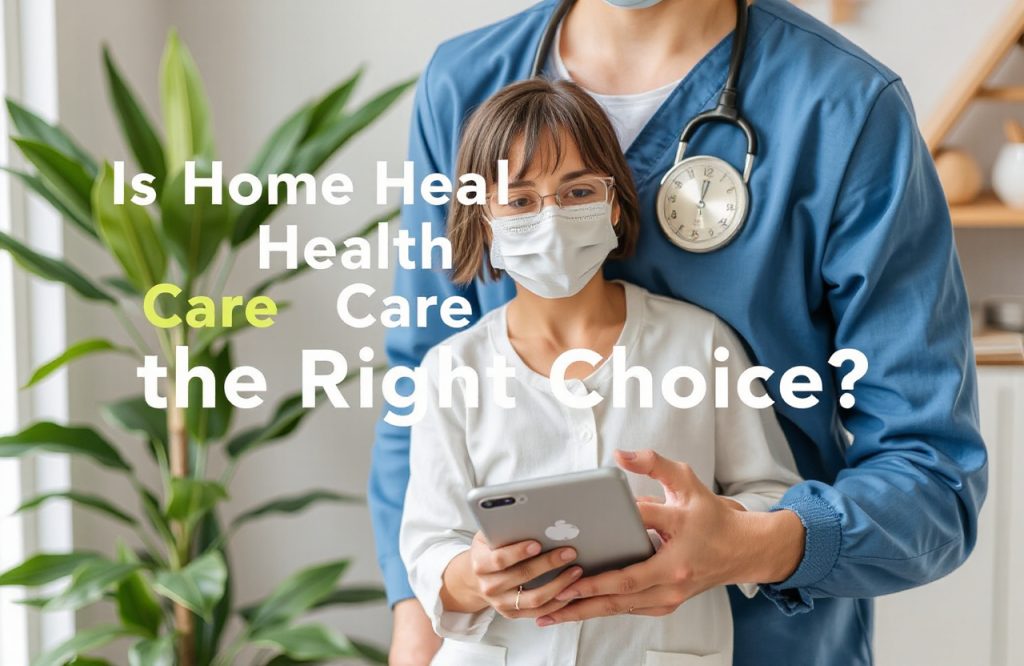
The concept of receiving care at home instead of in a hospital or facility is gaining traction. Whether for recovery from surgery, management of chronic conditions, or aging with dignity, home health care presents a practical and personalized alternative. However, is it the right choice for you or your loved one? Let’s examine the reasons to consider home health care.
How Home Health Care Aids Recovery After Major Medical Events
Recovering from a serious illness or surgery can be challenging, but being in a familiar environment may ease the process. Many patients find the advantages of home care after a heart-related event or significant medical condition to be substantial. Research indicates that home care can enhance recovery speeds, lower hospital readmissions, and improve overall health outcomes.
Hospitals can often be overwhelming, filled with noise, strict schedules, and limited personal space. In contrast, home health care allows patients to heal in a comfortable setting, surrounded by familiar routines and loved ones. Skilled professionals provide essential medical support, therapy, and help with daily activities, all while encouraging patients to regain independence at their own pace. For those with long-term conditions, home care offers consistent, high-quality attention without the need for frequent visits to a clinic or hospital.
Understanding the Costs of Home Health Care
Affordability is a significant concern for many when contemplating home health care. The costs can vary widely based on the types of services required, the frequency of visits, and geographic location. While some may think that home care is financially out of reach, it is often more economical than extended hospital stays or assisted living facilities.
A detailed examination of expenses is essential. Certain services, like skilled nursing and physical therapy, may be covered by insurance or government programs, while personal care assistance might necessitate out-of-pocket payments. The true value of home care extends beyond mere costs—it’s about the ability to receive quality care in a comfortable, familiar setting. When compared to hospital stays or nursing homes, home health care frequently proves to be a more cost-effective option. Planning ahead and investigating financial assistance can help make this choice viable.
The Personal Touch of Home Health Care
Home health care offers a level of personalization that is often lacking in hospital settings, where providers manage multiple patients simultaneously. Caregivers focus on one individual at a time, ensuring that treatments, therapies, and daily routines are tailored to meet specific needs. This individualized attention can lead to improved outcomes, as caregivers can monitor progress, identify potential health issues early, and modify care plans as required.
Flexibility is another significant advantage. Unlike the rigid schedules of hospitals, home care accommodates adjustments based on the patient’s comfort and routine. Whether it involves physical therapy, medication management, or assistance with daily activities, the care approach is centered around what works best for the individual. This personalization not only enhances quality of life but also fosters a stronger bond between caregivers and patients.
Supporting Families and Alleviating Caregiver Burnout
Caring for a loved one can be deeply fulfilling but also physically and emotionally taxing. Many family caregivers struggle to balance work, personal responsibilities, and the ongoing needs of a sick or aging relative. Home health care provides essential support, ensuring that loved ones receive professional care while alleviating the burden on family members.
Professional caregivers can offer vital medical assistance, help with daily tasks, and provide companionship, allowing family caregivers to rest and rejuvenate. This arrangement promotes better emotional well-being for everyone involved. Knowing that a trained professional is managing critical care tasks brings peace of mind, enabling family members to focus on quality time instead of constant caregiving duties.
Home Health Care as a Safer Alternative for Vulnerable Patients
For individuals with weakened immune systems, mobility challenges, or chronic conditions, reducing exposure to crowded hospitals and clinics can significantly lower health risks. Home health care diminishes the likelihood of infections that often proliferate in medical facilities, offering a safer environment for those with heightened health vulnerabilities.
Falls pose a significant risk, particularly for older adults. Home environments can be adjusted to minimize hazards, with caregivers assisting in mobility, medication management, and daily activities that might otherwise lead to accidents. By receiving care in their own space, patients can maintain their routines while benefiting from safety measures tailored to their needs.