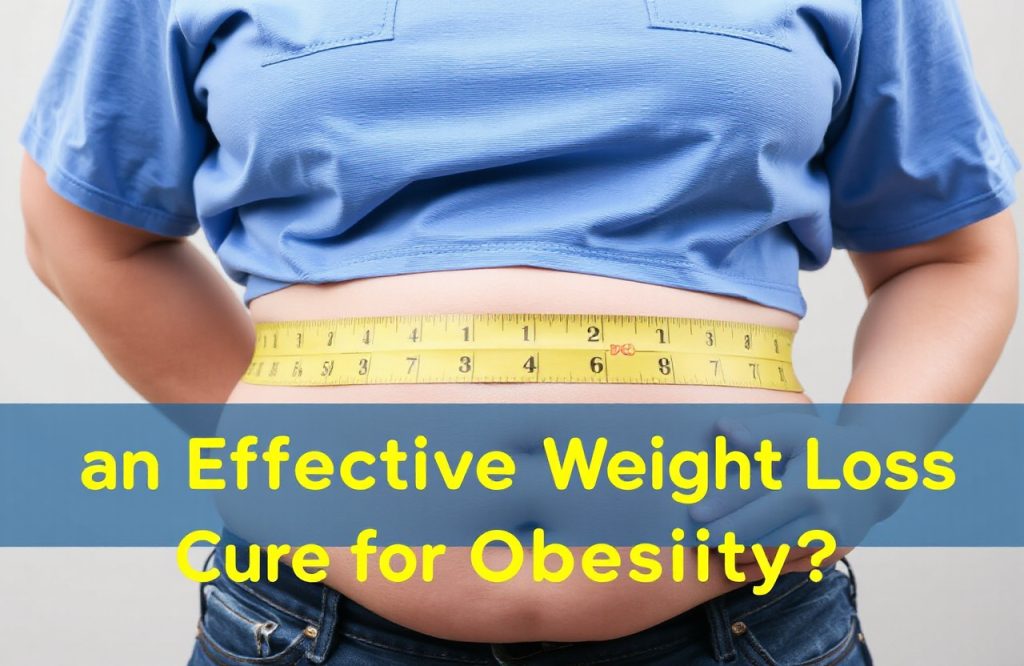
Rising Obesity Rates and Surgical Solutions
Overview of Surgical Interventions
With obesity levels increasing globally, various procedures aimed at addressing this condition are becoming more prevalent. A recent article in the British Medical Journal examined the advantages of sleeve gastrectomy, one of the surgical methods being utilized.
Strategies for Tackling Obesity
Healthcare professionals employ a range of strategies to combat obesity, including non-surgical methods like dietary changes and lifestyle modifications, as well as bariatric surgery. The latter involves surgical interventions that reduce stomach size. Although these surgeries are significant measures, they are currently the only proven methods for achieving substantial weight loss, sustaining that loss, and enhancing overall health for severely obese patients.
Current Standards in Bariatric Surgery
The Roux-en-Y bypass is considered the gold standard in bariatric surgery, involving the surgical bypass of a significant portion of the stomach. Over the last decade, sleeve gastrectomy has gained traction as an alternative. This procedure entails removing a portion of the stomach and is generally easier to perform compared to the Roux-en-Y bypass. Preliminary evidence suggests that sleeve gastrectomy may yield similar weight loss results with a lower incidence of perioperative complications. However, long-term effects had not been thoroughly studied until recently.
Recent Research Findings
Israeli Study on Surgical vs. Non-Surgical Treatments
A recent article highlighted findings from three long-term studies published in 2017. One significant Israeli study compared 8,385 obese patients who underwent surgical interventions—including sleeve gastrectomy, bypass, and adjustable gastric banding—with 21,155 patients who received non-surgical obesity treatments such as dietary counseling and behavioral modifications. Approximately four years post-intervention, the surgical group exhibited a lower mortality rate (1.3%) compared to the non-surgical group (2.3%). Additionally, surgery was linked to better weight loss and a reduction in co-existing health conditions, including diabetes, hypertension, and dyslipidemia.
Comparative Studies in Switzerland and Finland
In contrast, two randomized controlled trials conducted in Switzerland and Finland evaluated the efficacy of Roux-en-Y bypass versus sleeve gastrectomy. The Swiss study, involving 217 patients, concluded that both methods yielded comparable results in terms of body mass index reduction, weight loss, quality of life, and complications three years after surgery. However, it noted that Roux-en-Y bypass was more effective for patients with hiatal hernia, cardiovascular risks, dyslipidemia, and pre-existing gastroesophageal disease (GERD). Many patients who underwent sleeve gastrectomy did not see improvements in the latter two conditions.
Similarly, the Finnish study, which included 240 patients, found that weight loss and quality of life improvements were analogous between the two techniques five years post-surgery. However, as in the Swiss findings, sleeve gastrectomy was associated with an increase in GERD cases.
Conclusion
Overall, the long-term studies suggest that sleeve gastrectomy is as effective and safe as the traditional gold standard surgical treatment for obesity. Nonetheless, the potential for GERD complications following sleeve gastrectomy remains a concern. Experts view these findings as promising and consider both surgical options viable for individuals requiring bariatric surgery.
References
Wise, J. Sleeve gastrectomy matches gastric bypass in terms of weight loss and health benefits. BMJ. 2018. Available at: doi: 10.1136/bmj.k215. Plus all references cited within this article.