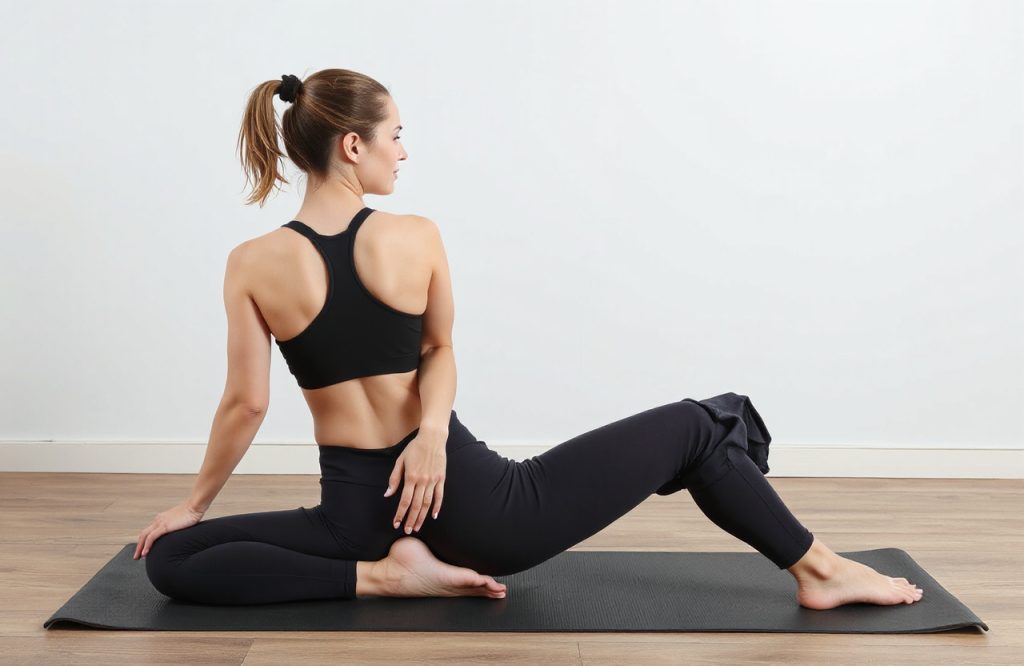
Study Examines Yoga as an Alternative to Physical Therapy for Chronic Low Back Pain
Background on Chronic Low Back Pain
A recent study published in the *Annals of Internal Medicine* aimed to evaluate whether yoga can serve as an effective alternative to physical therapy (PT) for chronic low back pain (cLBP). Chronic low back pain is the leading cause of disability worldwide, impacting around 10% of American adults, yet overall satisfaction with treatment options remains low.
Current Treatment Landscape
Physical therapy, which includes personalized stretching and strengthening exercises, is the most commonly recommended nonpharmacologic treatment for cLBP. However, recent clinical guidelines and large randomized controlled trials suggest that yoga also presents a viable option for managing cLBP. Understanding how newer therapies like yoga compare to established treatments such as PT is crucial for improving patient care.
Non-Inferiority Trials for Treatment Comparison
To compare the effectiveness of yoga and PT, non-inferiority trials are utilized. This approach is beneficial when a new therapy may offer additional advantages, including cost savings. Prior to this study, there was limited information regarding the comparative effectiveness of yoga versus PT.
Study Design and Methodology
Trial Overview
The study conducted a 12-week, assessor-blinded, randomized non-inferiority trial followed by a 40-week maintenance phase. A total of 320 participants, primarily from low-income and racially diverse backgrounds, were recruited from June 2012 to November 2013, with follow-up completed in November 2014.
Treatment Protocols
Participants were assigned to one of three groups: 12 weekly yoga classes, 15 physical therapy visits, or an educational book and newsletters. During the maintenance phase, those in the yoga group compared drop-in classes with home practice, while the PT group evaluated booster sessions against home practice.
Data Collection and Outcomes
Participants completed surveys at 6, 12, 26, 40, and 52 weeks, assessing back-related function and pain as primary outcomes. Secondary outcomes included pain medication use, global improvement, patient satisfaction, and overall quality of life.
Key Findings of the Study
Effectiveness of Yoga Compared to Physical Therapy
Statistical analyses revealed that the 12-week structured yoga program was non-inferior to PT regarding improvements in back-related function and pain. While yoga was not found to be superior to educational interventions, both yoga and PT participants were more likely to reduce their reliance on pain medication compared to those who received education.
Long-term Benefits and Generalizability
Improvements in both yoga and PT groups were sustained after one year, regardless of whether participants continued with yoga classes, attended PT booster sessions, or engaged in home practice. Given the low-income demographics of the participants, these findings may be relevant to a broader population, including those with higher incomes and less impairment.
Conclusion and Recommendations
The study concludes that a structured yoga program can be an effective alternative to physical therapy for patients with chronic low back pain, contingent on individual preferences, availability, and cost considerations. Researchers emphasize that the greatest improvements were seen in participants who adhered closely to their treatment plans, highlighting the importance of consistency and patience in managing low back pain.
Written by Rebecca Yu
Source: Saper, R. B., Lemaster, C., Delitto, A., Sherman, K. J., Herman, P. M., Sadikova, E., … & Roseen, E. J. (2017). Yoga, Physical Therapy, or Education for Chronic Low Back Pain: A Randomized Noninferiority Trial. *Annals of Internal Medicine*.