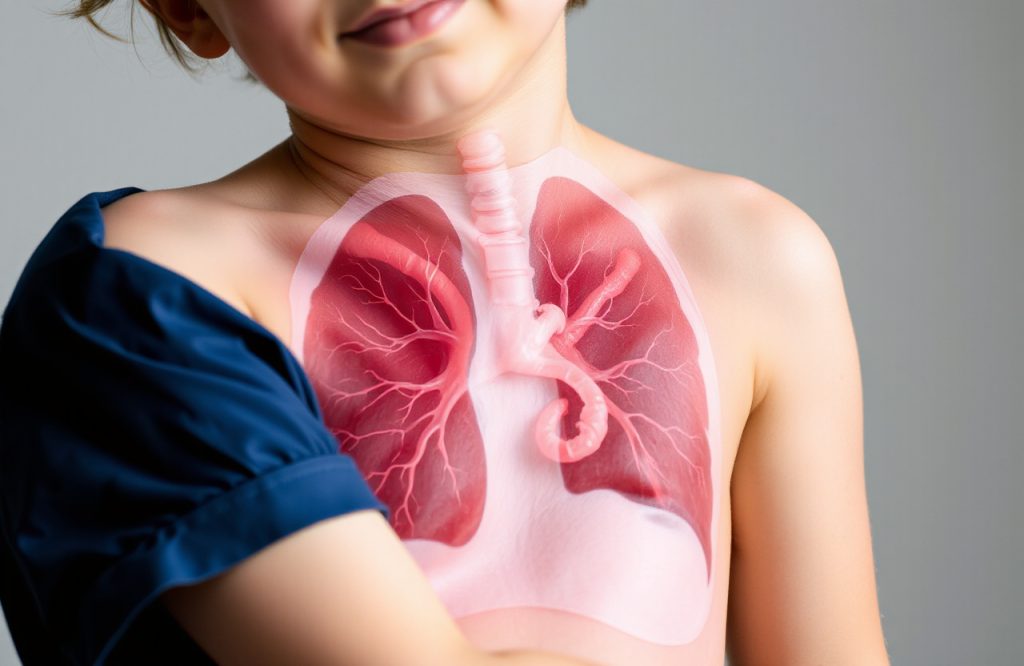
A Systematic Review of Pneumonia Diagnosis in Children
Introduction
A recent systematic review has investigated the relationship between the accuracy of symptoms and physical examination and the timely diagnosis of pneumonia in children. With pneumonia accounting for an estimated 900,000 deaths globally, it remains a significant cause of illness and mortality in this age group. The economic burden on healthcare systems in developed countries is considerable, with outpatient visit rates ranging from 32.3 to 49.6 per 1,000 for children aged one to five. However, there is currently no universally accepted standard for diagnosing pneumonia.
Current Diagnostic Practices
The predominant method for diagnosing pneumonia is through chest radiography. However, this approach has limitations in accurately identifying the condition. Research indicates challenges in distinguishing between viral and bacterial pneumonia, as well as predicting the clinical course in children based on radiographic results. This diagnostic uncertainty has contributed to the excessive use of broad-spectrum antibiotics among pediatric patients. In the United States, amoxicillin is recommended as the first-line treatment, yet more than 50% of children initially receive broad-spectrum antibiotics. Enhancing pneumonia diagnosis and standardizing treatment could potentially reduce antibiotic overuse.
Research Methodology
Researchers in the United States conducted a systematic review of 23 cohort studies to evaluate the accuracy of identifying children with radiographic pneumonia, with findings published in the Journal of the American Medical Association. The studies included children under five years suspected of having pneumonia, required detailed clinical assessments, and mandated chest radiographs for all participants.
Study Findings
The review encompassed 13,833 participants suspected of pneumonia. Results indicated that the prevalence of radiographic pneumonia was 19% in North American studies, compared to 37% in studies conducted elsewhere. Among clinical symptoms and physical examinations, such as auscultatory findings from listening to breathing, no single symptom showed a strong association with pneumonia diagnosis.
However, two studies noted a correlation between chest pain in adolescents and pneumonia. Vital signs such as fever and tachypnea did not strongly correlate with pneumonia either. The only notable indicator was moderate hypoxemia—an abnormally low blood oxygen level—and increased respiratory effort, evidenced by symptoms like grunting and nasal flaring. Children with normal oxygen levels had a reduced likelihood of pneumonia diagnosis.
Key Indicators for Diagnosis
Despite the absence of a definitive differentiator between pneumonia and other childhood respiratory illnesses, the presence of hypoxemia and increased work of breathing emerged as critical indicators for pneumonia diagnosis, more so than tachypnea and auscultatory findings. Physicians should closely monitor children presenting with symptoms like cough and fever, assessing their breathing effort and hypoxia levels. In clinical environments where radiography is available, these indicators can help guide the judicious use of chest radiographs.
Conclusion
The findings of this systematic review underscore the need for improved pneumonia diagnostic strategies in children. By focusing on key clinical indicators, healthcare providers can enhance diagnosis accuracy and reduce unnecessary antibiotic use.
Reference
Shah SN, Bachur RG, Simel DL, Neuman MI. Does This Child Have Pneumonia?: The Rational Clinical Examination Systematic Review. JAMA. 2017 Aug 1;318(5):462-471. doi: 10.1001/jama.2017.9039. Review. Erratum in: JAMA. 2017 Oct 3;318(13):1284.