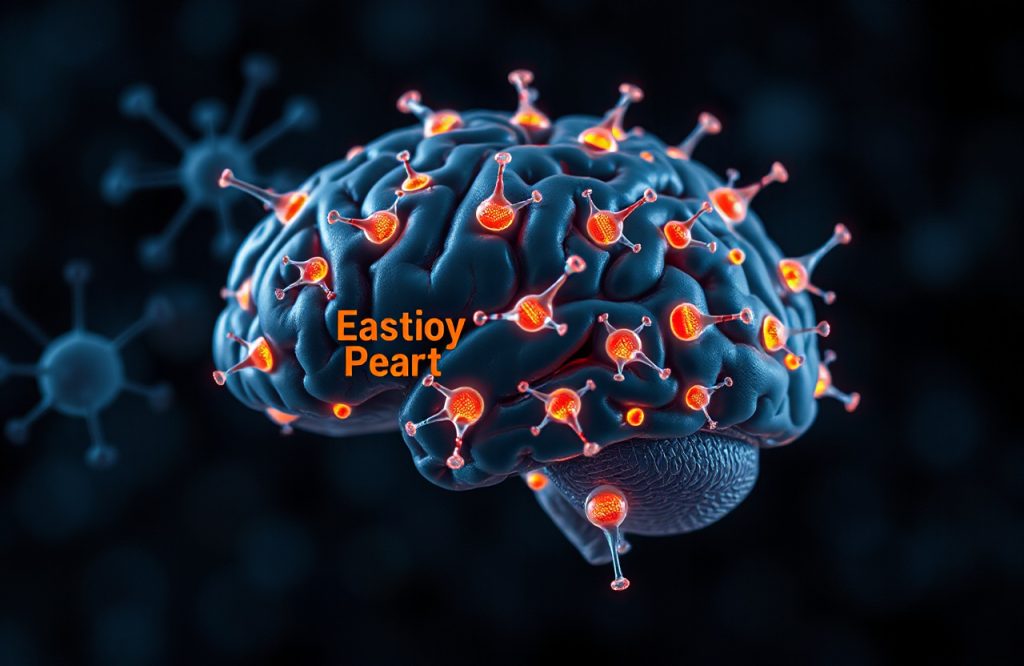
Discovery of Mood Neurons in the Brain
Role of the Amygdala in Emotional Development
Recent research has identified a group of mood neurons in the brain that may significantly influence emotional development during adolescence. Central to this discovery is the amygdala, an almond-shaped structure integral to emotional processing and the learning of emotional responses. Notably, the amygdala continues to grow throughout childhood and adolescence, even after other brain areas have completed their development. This ongoing growth may play a crucial role in shaping human emotional development and could help explain various neurodevelopmental disorders, including autism, anxiety, depression, and other mood disorders.
Research Findings on Premature Neurons
A study published in Nature Communications by scientists from the United States has shed light on a specific group of premature neurons located in the paralaminar nuclei of the amygdala. To explore the impact of these neurons on emotional development during adolescence, the researchers analyzed amygdala tissue from 49 post-mortem human brains, with ages ranging from 20 gestational weeks to 78 years.
The investigation aimed to categorize the maturity and functionality of these neurons within the nervous system. Findings revealed that a significant proportion of premature neurons persisted throughout childhood, with a notable decline occurring during adolescence. The proportion of premature neurons in the amygdala decreases from approximately 90 percent at birth to just below 70 percent by age 13, and ultimately to around 20 percent by the end of adolescence. The study noted that mature excitatory neurons gradually replaced these premature ones, leading to the hypothesis that neuronal maturation timing is linked to emotional development during this critical stage.
Implications for Adulthood and Emotional Flexibility
Interestingly, the researchers observed that a small subset of premature neurons remains in the amygdala throughout adulthood, even in brains as old as 77 years. This finding suggests that the human brain may retain the capacity for emotional response flexibility and learning well into later life.
Significance of Adolescence in Emotional Processing
The researchers emphasize that adolescence is a pivotal period for emotional processing, particularly in developing responses to environmental stressors and social interactions. However, it is also a time when psychiatric or mood disorders may arise, indicating potential disruptions in the emotional development process. The precise role of these neurons in the onset of such disorders remains unclear, warranting further investigation in future studies.
References
– Mood neurons mature during adolescence. (2019, June 24). Retrieved from https://www.eurekalert.org/pub_releases/2019-06/uoc–mnm062119.php
– Sorrells, S. F., Paredes, M. F., Velmeshev, D., Herranz-Pérez, V., Sandoval, K., Mayer, S., . . . Alvarez-Buylla, A. (2019). Immature excitatory neurons develop during adolescence in the human amygdala. Nature Communications, 10(1). doi:10.1038/s41467-019-10765-1
Image by Gerd Altmann from Pixabay