Link Between Eye Bacteria and Alzheimer’s Disease
Research Overview
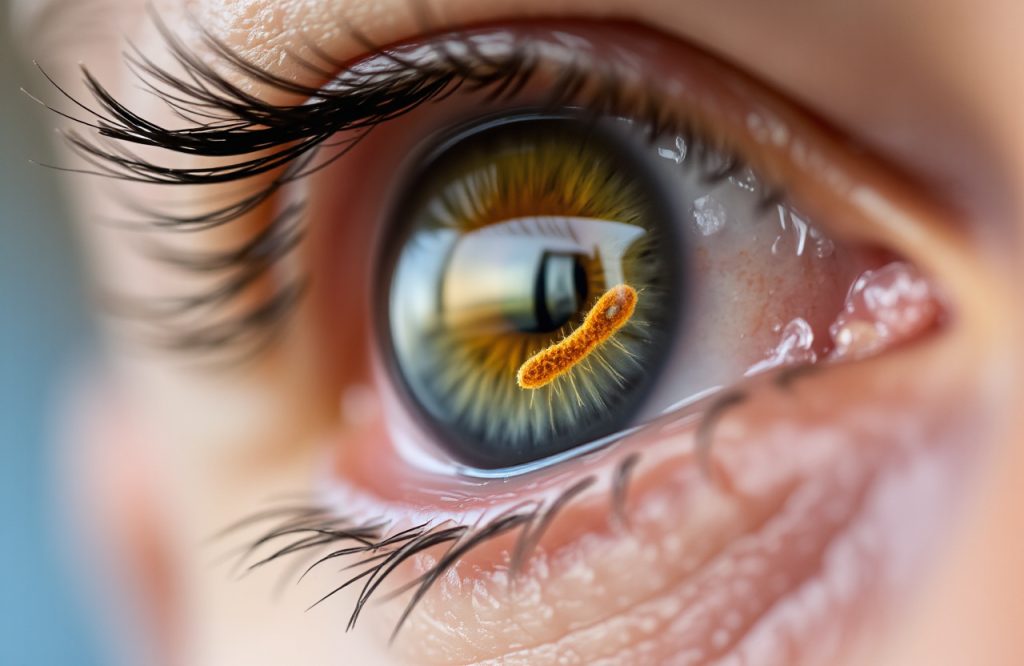
Recent studies have suggested a potential connection between a common type of bacteria found in the eye and the onset of Alzheimer’s disease. This research indicates that the presence of these bacteria, which are known to cause sinus infections, may linger in the eye for extended periods, potentially heightening the risk of developing Alzheimer’s.
Alzheimer’s Disease Detection through Eye Changes
For some time, the medical community has recognized that changes in the eye could aid in the early detection of Alzheimer’s disease, a form of dementia that currently affects approximately 32 million individuals worldwide. Previous investigations have established links between Alzheimer’s detection and specific eye conditions, such as dry age-related macular degeneration (AMD), cataracts, glaucoma, and posterior cortical atrophy.
Structural Changes as Indicators
Further research has indicated that structural alterations within the eye, including damage to blood vessels and changes in retinal thickness, may serve as indicators of Alzheimer’s disease.
New Findings on Bacteria
A groundbreaking study published in the journal Nature Communications reveals that a type of bacteria associated with sinus infections and pneumonia can persist in the eye for many years. This persistence may contribute to an increased risk of developing Alzheimer’s disease. Researchers are optimistic that identifying these bacteria could lead to advancements in detection methods and treatment strategies for Alzheimer’s disease.