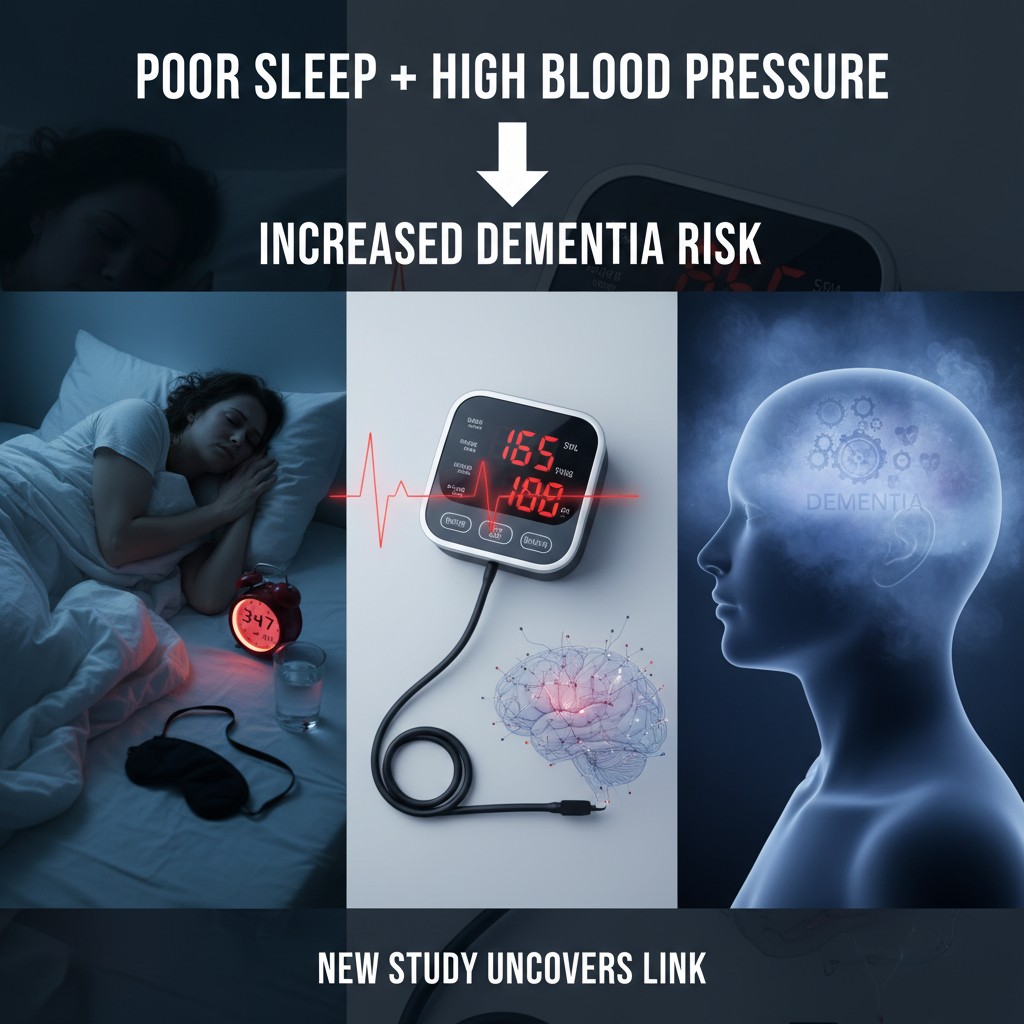
Research Links Dementia to Brain’s Waste Clearance System
The Role of the Glymphatic System
Recent research emphasizes the significance of the glymphatic system, which facilitates the movement of cerebrospinal fluid during sleep. This system plays a vital role in eliminating toxins and waste from the brain, thus supporting overall brain health.
Study Findings on Cardiovascular Risk Factors
A recent study employing MRI scans has shown that individuals with cardiovascular risk factors negatively impacting the glymphatic system have an increased likelihood of developing dementia. Researchers highlight that improving sleep quality to enhance glymphatic function, alongside managing cardiovascular risks, could considerably reduce the risk of dementia.
Understanding the Glymphatic System
The glymphatic system is a recently discovered waste clearance mechanism that operates most effectively during sleep. It is essential for clearing toxins and waste, including substances associated with dementia, from the central nervous system. The study indicates that those with impaired glymphatic function face a higher risk of dementia.
Significance of the Study
Published in *Alzheimer’s & Dementia: The Journal of the Alzheimer’s Association*, the research highlights the potential of improving glymphatic function as a preventive measure against dementia.
Dr. Steve Allder, a consultant neurologist at Re:Cognition Health who was not part of the research, commented, “These findings are largely expected, building on a growing body of research that implicates impaired cerebrospinal fluid (CSF) dynamics, often referred to as the ‘glymphatic system’, in dementia. Animal studies have long shown that disrupted CSF flow hampers the clearance of toxic proteins such as amyloid beta and tau, which are central to Alzheimer’s disease pathology. What makes this study significant is that it provides large-scale, human-based evidence from over 45,000 participants in the UK Biobank, confirming that MRI markers of CSF dysfunction are associated with higher dementia risk.”