Understanding Cardiovascular Disease
Definition and Prevalence
Cardiovascular disease is an umbrella term that encompasses various conditions affecting the circulatory system. Common forms of cardiovascular diseases include heart failure, heart attacks, strokes, peripheral vascular disease, and ischemic heart disease.
Risk Factors
Several factors can elevate the risk of developing cardiovascular disease, including a family history of the condition, advancing age, and high levels of low-density lipoprotein (LDL) cholesterol. Fortunately, most types of cardiovascular diseases can be managed effectively with statin medications.
The Role of Statins in Cardiovascular Health
How Statins Work
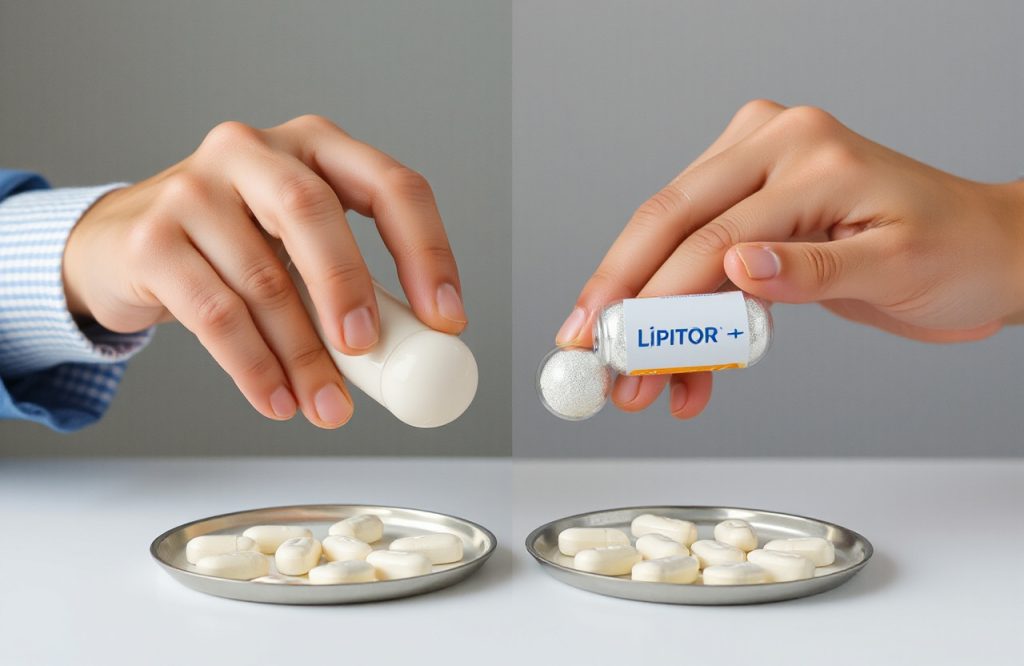
Statins are a class of drugs designed to treat cardiovascular disease and diabetes. Medications such as atorvastatin (known as Lipitor) and rosuvastatin (known as Crestor) work by inhibiting cholesterol production and reducing triglyceride levels. High LDL cholesterol is associated with inflammation and plaque buildup in arteries.
Mechanisms of Action
Statins lower blood cholesterol through two main pathways:
1. **Inhibition of HMG-CoA Reductase**: Statins block the enzyme 3-hydroxy-3-methylglutaryl-coenzyme A (HMG-CoA) reductase, crucial for cholesterol synthesis, which is why they are categorized as HMG-CoA reductase inhibitors.
2. **Increase in LDL Receptors**: They enhance the number of LDL receptors in the liver, facilitating greater cholesterol absorption by liver cells and thereby reducing blood cholesterol levels.
Cholesterol Transport Dynamics
LDLs are responsible for transporting cholesterol from the liver to tissues, contributing to cardiovascular disease when levels are elevated. In contrast, high-density lipoproteins (HDLs) transport cholesterol back to the liver for excretion. Healthy individuals typically maintain LDL levels below 130 mg/dL and HDL levels above 45 mg/dL.
Comparative Analysis of Lipitor and Crestor
Crestor has a bioavailability of 14%, while Lipitor’s is 20%. Lipitor exhibits over 98% protein binding, whereas Crestor has an 88% binding rate. The half-life of Lipitor is approximately 14 hours, compared to Crestor’s 19 hours. Although both medications share similarities, further research is necessary to examine their respective advantages and disadvantages.
Dosage, Side Effects, and Drug Interactions
Consulting Healthcare Providers
For personalized information on dosages, side effects, and potential drug interactions, it is essential to consult your healthcare provider before altering any medication or supplement regimen.
Dosage Guidelines
Typically, doctors prescribe 10 to 20 mg of Lipitor for moderate cholesterol levels, resulting in a reduction of 30% to 50%. For higher cholesterol levels, they may prescribe 40 to 80 mg, which can lower cholesterol by over 50%. Crestor is commonly prescribed in doses of 5 mg, 10 mg, 20 mg, and 40 mg.
Potential Side Effects
Common side effects of Lipitor may include nausea, insomnia, muscle aches, and weakness. Patients with kidney issues may experience heightened muscle complications. For Crestor, side effects also include muscle aches and weakness, with severe cases leading to renal failure.
Risks Associated with Statins
Statins can enhance liver metabolism; thus, individuals with chronic liver conditions face an increased risk of liver damage. Hepatotoxicity is more pronounced in those with existing liver damage, although statin medications do not significantly exacerbate liver issues. In addition to lowering cholesterol and triglycerides, statins may help inhibit liver degradation.
Drug Interactions
Certain medications can interact with statins. For example, CYP3A4 inhibitors can elevate plasma levels of Lipitor, potentially leading to muscle-related issues. Similarly, drugs like bezafibrate, ciprofibrate, and colchicine may interact with Crestor, resulting in muscle pain. Grapefruit juice can also affect statin metabolism, increasing their concentrations in the bloodstream due to the presence of furanocoumarins that inhibit intestinal CYP3A4.
Cardiovascular Risk Factors
Primary Risk Factors
Key risk factors for cardiovascular disease include high blood pressure (hypertension), lipid disorders, obesity, and diabetes. Increased levels of procoagulants, such as fibrinogen, also heighten cardiovascular disease risk.
The Impact of Nutrition
Research indicates that diet significantly influences cardiovascular disease development. Individuals adhering to a Mediterranean diet, characterized by higher consumption of fruits, vegetables, whole grains, and healthy fats, tend to experience lower inflammation and blood pressure levels. This dietary pattern also improves lipid profiles and glucose metabolism.
Research Findings on Diet and CVD
A study exploring the Mediterranean diet’s relationship with cardiovascular disease revealed that individuals not following this diet exhibited a higher prevalence of inflammatory markers compared to those who did.
Conclusion
Statins have proven effective in reducing the risk of cardiovascular disease, cancer, and liver damage. It is crucial to discuss with your healthcare provider whether Lipitor or Crestor is suitable for you. In addition to medication, adopting a healthy lifestyle—through regular exercise, a balanced diet, and effective stress management—can further enhance health and potentially prevent cardiovascular disease.