Understanding Food Cravings: Genetics or Mind Over Matter?
Introduction to Food Cravings
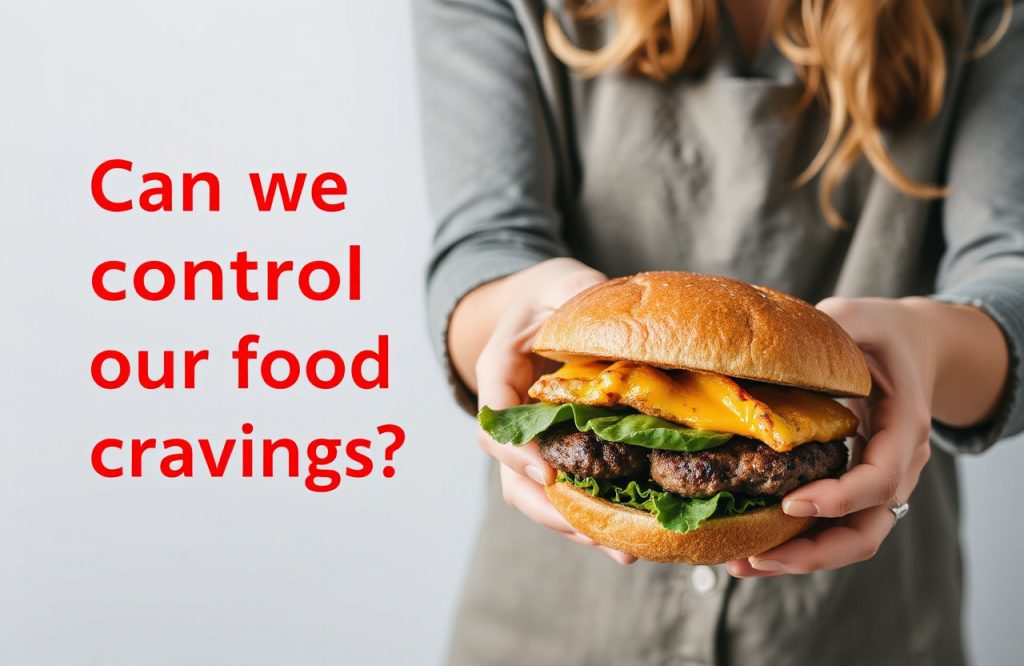
Food cravings extend beyond mere hunger; they represent a strong and frequent desire for specific foods. Given that cravings contribute to over 10% of weight gain, effective strategies to manage them could be valuable for weight loss efforts.
The Nature of Food Cravings
Current research indicates that food cravings are conditioned responses triggered by specific stimuli, which can be categorized into external and internal factors. External stimuli involve reactions to one’s environment, such as eating while watching television, while internal stimuli are linked to emotional states, for example, consuming sweets during periods of depression.
Research Findings on Food Craving Interventions
Study Overview
Researchers at Louisiana State University conducted a review of 28 studies on food cravings and interventions aimed at reducing them. Their findings were published in *Current Opinion in Endocrinology & Diabetes and Obesity*, highlighting four primary categories of interventions: diet, exercise, obesity drug therapy, and surgery.
Dietary Interventions
Modifications in diet have proven effective in managing food cravings. The researchers found that reducing meal frequency and calorie counting led to fewer cravings, whereas restricting the quantity of craved foods was counterproductive. The psychological aspect of denying oneself a favorite food often exacerbates cravings, supporting the notion of cravings as conditioned responses.
Exercise Interventions
Regular physical activity can also diminish food cravings. Studies revealed that participants who engaged in frequent exercise experienced a reduction in cravings, even if they did not lose weight.
Obesity Drug Therapy
Drug therapy targeting obesity has been shown to lessen food cravings, offering assistance for individuals struggling to initiate weight loss. This method may also provide an avenue for those with high cravings to achieve and maintain weight loss more effectively.
Weight Loss Surgery
Surgical options, such as gastric bypass and gastric sleeve procedures, have demonstrated success in reducing food cravings, particularly in the immediate aftermath of surgery. However, the duration and intensity of craving reduction varied among studies.
Limitations and Considerations in Research
Participant Demographics
While the research supports the conditioning model of food cravings, it is important to note that study participants predominantly comprised Caucasian, college-educated, and upper-middle-class individuals. There is a significant gap in research involving non-white, less educated, and blue-collar populations.
Food Insecurity and Cravings
The interplay between food insecurity and cravings requires further exploration. Current findings suggest that individuals facing food insecurity may experience a “feast/famine cycle,” which is associated with weight gain. Monthly federal food assistance could serve as an external trigger for binge eating, leading to cravings.
Geographic Limitations
Most data on food cravings originate from the southern United States, raising questions about whether these findings would hold true on a national scale. Additionally, inconsistencies in research outcomes indicate a need for a standardized food craving questionnaire to enhance data reliability.
The Role of the Mind in Controlling Cravings
Conclusion
The review underscores that food cravings are not solely determined by genetics; rather, the mind plays a crucial role in managing these cravings. Although the conditioning model is validated, there is a pressing need for more inclusive research to encompass diverse populations.
Reference
Myers C, Martin C, Apolzan J. Food cravings and body weight. Current Opinion in Endocrinology & Diabetes and Obesity. 2018:1. doi:10.1097/med.0000000000000434.