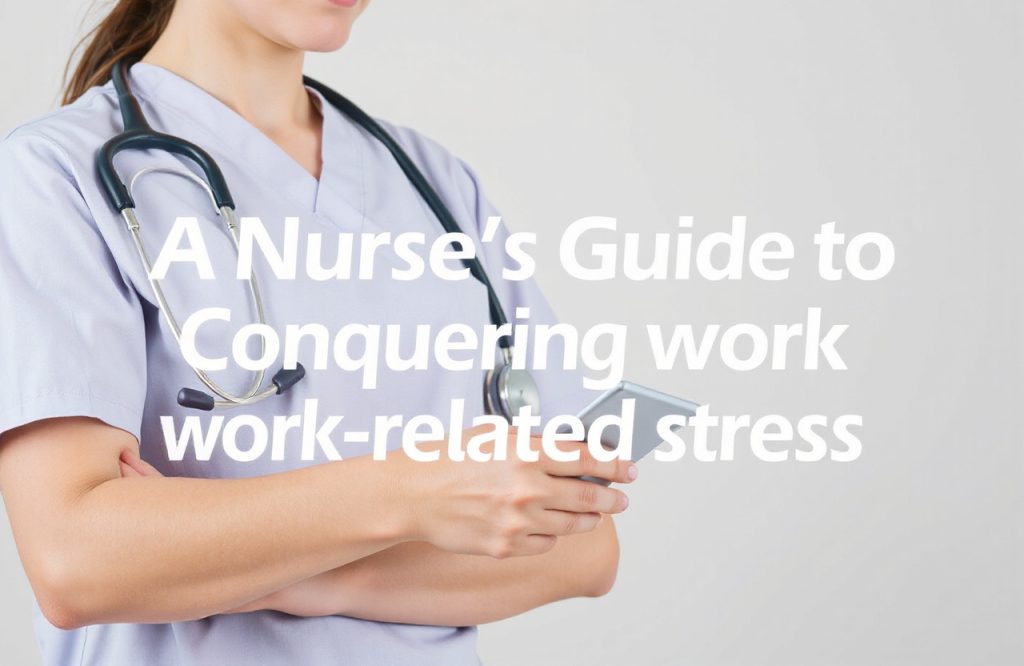
Understanding Workplace Stress in Nursing
The Prevalence of Stress
Stress is an all-too-common experience, particularly in high-pressure environments like nursing. However, with effective strategies, individuals in these demanding roles can manage their stress levels proactively. Simple preparations, such as selecting stylish and comfortable scrubs the night before, can enhance confidence and reduce anxiety. Additionally, taking short, refreshing walks during breaks can rejuvenate both mind and body, making it easier to handle stress.
The Cause and Effect of Stress
Identifying Stressors in Nursing
To effectively address stress, it is essential to understand its sources. Nurses face unique challenges that contribute to stress, including:
– The ongoing requirement for advanced skills and technology
– High physical energy demands
– Significant emotional strain
– Chaotic and urgent work environments
The cumulative impact of these factors can adversely affect a nurse’s health, leading to anxiety, fatigue, and burnout. While stress is inherent to the profession, it is crucial to monitor and mitigate it to prevent it from escalating to harmful levels.
Strategies for Managing and Conquering Stress
Assessing Your Workplace
To combat stress, nurses should evaluate their work environment, roles, and personal responses.
Accepting Limitations
Recognizing what is beyond your control is vital for your well-being. For instance, while long hours are often unavoidable, focusing on aspects within your control—such as taking short breaks and prioritizing self-care—can enhance your resilience.
Effective Communication
Clear and concise communication of responsibilities and expectations can help minimize confusion and stress. Ensuring everyone is on the same page allows for smoother operations and reduces the need for retracing steps.
Fostering Open Communication
Encouraging open dialogue can alleviate stress by creating an environment where questions and discussions are welcomed. This approach not only facilitates better understanding at work but may also address personal issues affecting performance.
Managing Your Role
Establishing Boundaries
Setting clear boundaries is essential for maintaining work-life balance. Communicate your limits regarding work availability and stick to them to protect your personal time.
Recognizing Role-Related Stressors
Identifying specific stressors related to your role can provide clarity. By pinpointing tasks or situations that contribute to stress, you can develop strategies to manage or avoid these challenges.
Preparation is Key
Being well-prepared can significantly reduce anxiety. Ensure you have everything you need for your shift organized the night before. This may include laying out your scrubs, packing essential items, and getting adequate rest.
Prioritizing Self-Care
The Importance of Self-Care
Self-care is fundamental for nurses who care for others. Incorporating self-care practices into your routine can enhance your ability to perform at your best. Gradually integrating these practices into your schedule and seeking support from friends and family can help.
Identifying Personal Stressors
Understanding your personal triggers, such as dietary choices or challenging schedules, allows you to tailor your routine for better health and performance.
Building Resilience
Maintaining a healthy lifestyle through nutritious eating and regular exercise can strengthen your ability to cope with stress. These habits promote the release of endorphins, which improve mood and combat stress.
Creating a Sustainable Stress Management Strategy
While nursing is often associated with high stress levels, it is possible to cultivate a fulfilling and enjoyable professional life. By prioritizing self-care and managing stress effectively, nurses can rediscover the joy in their roles and extend that positivity to their patients.