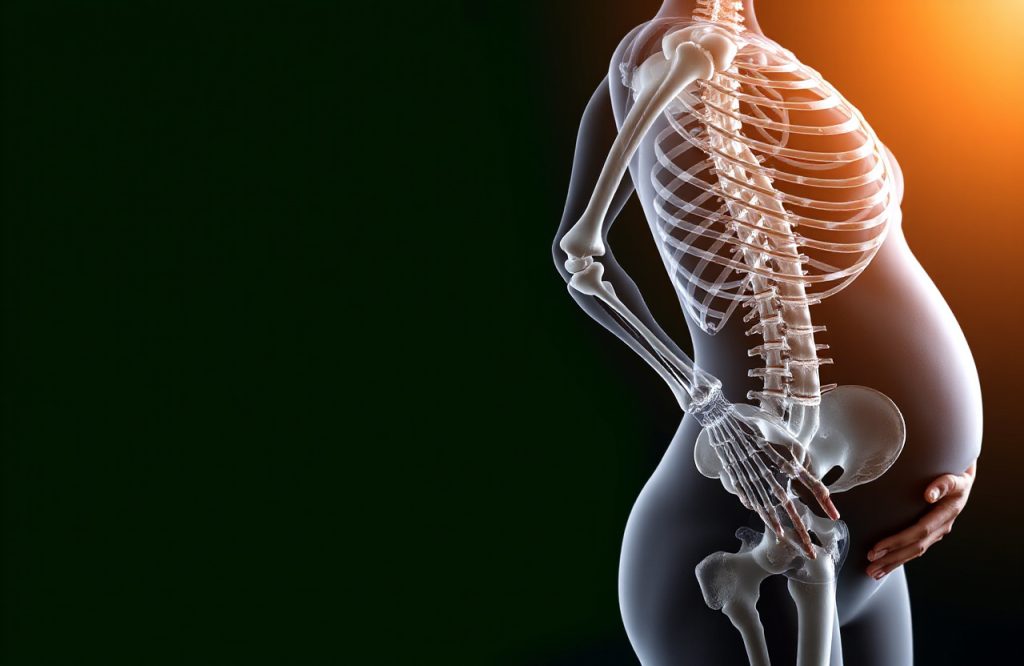
Understanding Vitamin D Deficiency During Pregnancy
The Importance of Vitamin D
Vitamin D deficiency is a prevalent health concern, particularly during pregnancy. Insufficient maternal vitamin D levels can adversely impact the development of the offspring, especially regarding bone health.
Research on Maternal Vitamin D Deficiency and Kyphosis
A recent study explored the implications of maternal vitamin D deficiency on kyphosis, a condition characterized by an outward curvature of the spine. An incident involving a research group in the United States, which unintentionally omitted vitamin D from a specialized food mix for pigs, resulted in piglets being born with kyphosis.
Study Design and Findings
Subsequent research revealed that when pregnant sows consumed diets with minimal or no vitamin D during gestation and lactation, their piglets exhibited kyphosis, smaller size, reduced bone mineral content, and abnormalities in femur and vertebrae. The research team published their findings in *The British Journal of Nutrition*.
To investigate further, thirty-seven sows were divided into three dietary groups: one group received no vitamin D, another received a low dose of 8.125 μg/kg, and a third group was given a high dose of 43.750 μg/kg of vitamin D during pregnancy and nursing. Milk samples were collected from the sows at birth and when the piglets reached 18 days old to assess the vitamin D biomarker (25-OH-D3) levels.
After weaning, piglets were fed one of four nursery diets with varying amounts of vitamin D, calcium, and phosphorus. At seven weeks, physical characteristics were documented, and blood samples were taken to analyze bone mineral density factors. Additionally, tissue samples from piglets were collected to measure tissue 25-OH-D3 concentrations, and femur and vertebrae bone samples were evaluated for gene expression related to vitamin D regulation.
Results of the Study
The results indicated that maternal dietary vitamin D levels significantly affect both the gross and molecular aspects of bone development in offspring, with minimal influence from the piglets’ diets. At seven weeks, piglets from sows with low and high vitamin D diets were approximately 3 kg heavier than those born to sows with no vitamin D. Notably, kyphosis was most prevalent in piglets from sows without vitamin D (34%), compared to 3% in those from low vitamin D sows and 1% from high vitamin D sows.
Interestingly, while serum 25-OH-D3 levels increased significantly in sows fed low (10-fold) and high (22-fold) vitamin D diets, these elevated levels did not translate to their colostrum or milk, making it challenging to detect in piglet serum and tissue samples. However, maternal vitamin D levels did impact other bone mineral density factors, with higher calcium and phosphorus levels observed in piglets of low and high vitamin D sows, alongside increased parathyroid hormone levels in those born to no vitamin D sows.
Changes in the expression of vitamin D regulatory genes were also noted, with increases in CYP24A1 and osteocalcin, and decreases in CYP27B1 in piglets from low and high vitamin D sows.
Implications and Future Research
Although this study established a connection between maternal vitamin D deficiency and kyphosis, it did not clarify the underlying mechanisms, leaving the door open for future research. The study emphasized the need for a reliable biomarker to predict kyphosis, as the failure of 25-OH-D3 to serve this purpose was a notable disappointment. Ongoing studies may enhance our understanding of the nutritional impact of maternal vitamin D status on kyphosis in both animal and human populations.
References
Amundson LA, Hernandez LL, Crenshaw TD. Serum and tissue 25-OH vitamin D3 concentrations do not predict bone abnormalities and molecular markers of vitamin D metabolism in the hypovitaminosis D kyphotic pig model. Br J Nutr. 2017; Jul 26:1-11. Available from: doi: 10.1017/S0007114517001751.