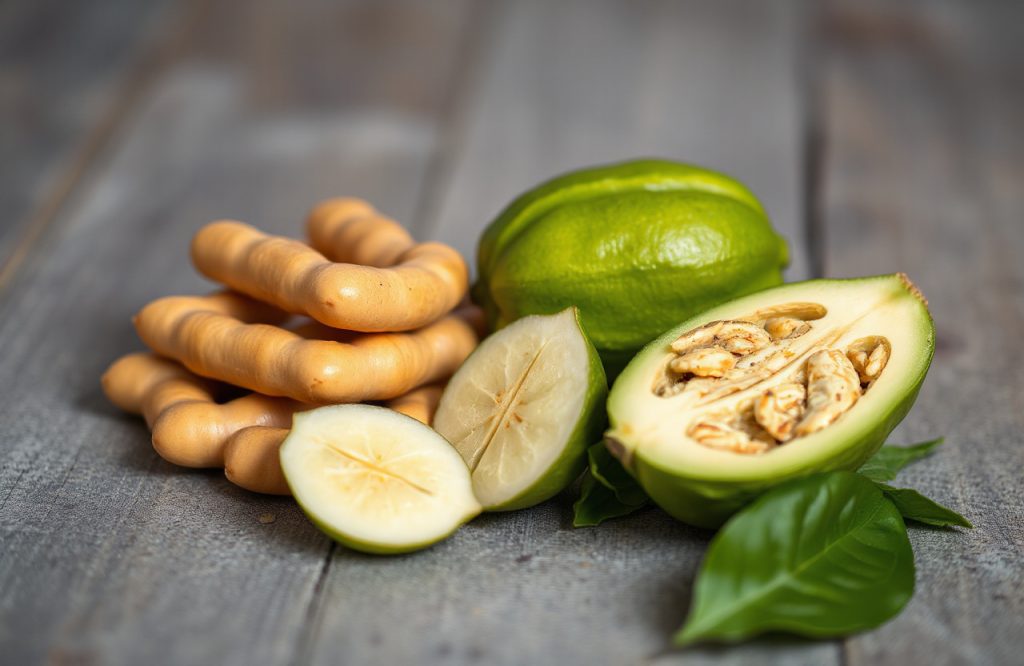
Impact of Glucomannan and Garcinia Cambogia on Weight Loss
Introduction to Obesity and Health Risks
A recent study evaluated the effects of glucomannan (Konjac) and garcinia cambogia on weight reduction among overweight and obese individuals. The prevalence of obesity poses significant health risks, leading to various issues such as cardiovascular disease, diabetes, digestive disorders, and osteoarthritis. While multiple factors contribute to obesity, genetic polymorphisms in certain genes—such as fat mass and obesity-associated (FTO), perilipin (PLIN), and β-adrenergic receptor 3 (ADRB3)—are believed to play a role in its development.
Traditional Weight Loss Strategies
Caloric restriction and regular exercise are widely recognized evidence-based approaches for weight loss. However, alternative methods, including herbal supplements, may also provide benefits. Garcinia cambogia, a fiber derived from a tropical fruit, and glucomannan, sourced from a plant native to South Asia and India, have shown potential as effective weight management agents.
Study Design and Methodology
Spanish researchers conducted a study to assess the effectiveness of glucomannan and garcinia cambogia in promoting weight loss among overweight or obese participants. This study combined the supplements with a controlled diet over a six-month duration and also explored how specific genetic polymorphisms (FTO, PLIN, and ADRB3) influenced weight loss outcomes. The findings were published in BMC Complementary & Alternative Medicine.
Study Participants and Evaluation
A total of 214 overweight or obese individuals took part in the research, receiving 500 milligrams of garcinia cambogia and glucomannan twice daily. Clinical parameters, such as weight, fat mass, visceral fat, basal metabolic rate, glucose, cholesterol, and triglycerides, were measured at the study’s onset, three months in, and at six months post-treatment. Additionally, the impact of the three genetic polymorphisms on weight loss was analyzed.
Results and Findings
The study revealed significant improvements in body composition throughout the treatment period. Participants reported average reductions in weight, fat mass, visceral fat, glucose, cholesterol, and triglycerides at both three and six months, alongside an increase in basal metabolic rate. Notably, those with genetic polymorphisms for FTO, PLIN, or ADRB3 experienced less weight loss, reduced fat mass, and lower visceral fat at six months compared to those without these genetic variations. However, the presence of these polymorphisms did not influence changes in glucose, cholesterol, triglycerides, or basal metabolic rate.
Conclusions and Implications
This study suggests that glucomannan and garcinia cambogia are safe and effective options for weight loss, despite prior research yielding mixed results. Variability in study outcomes may stem from differences in participant characteristics or supplement formulations. Importantly, the effectiveness of the treatment appeared to be independent of age, sex, or existing health conditions.
References
Maia-Landim, Andrea, Juan M. Ramírez, Carolina Lancho, María S. Poblador, and José L. Lancho. “Long-term effects of Garcinia cambogia/Glucomannan on weight loss in people with obesity, PLIN4, FTO, and Trp64Arg polymorphisms.” BMC Complementary and Alternative Medicine 18, no. 1 (2018): 26.
Related Topics
– Amazonian fruit camu camu benefits weight loss by preventing obesity
– What is the Best Diet for Weight Loss for Those at Risk of Diabetes?