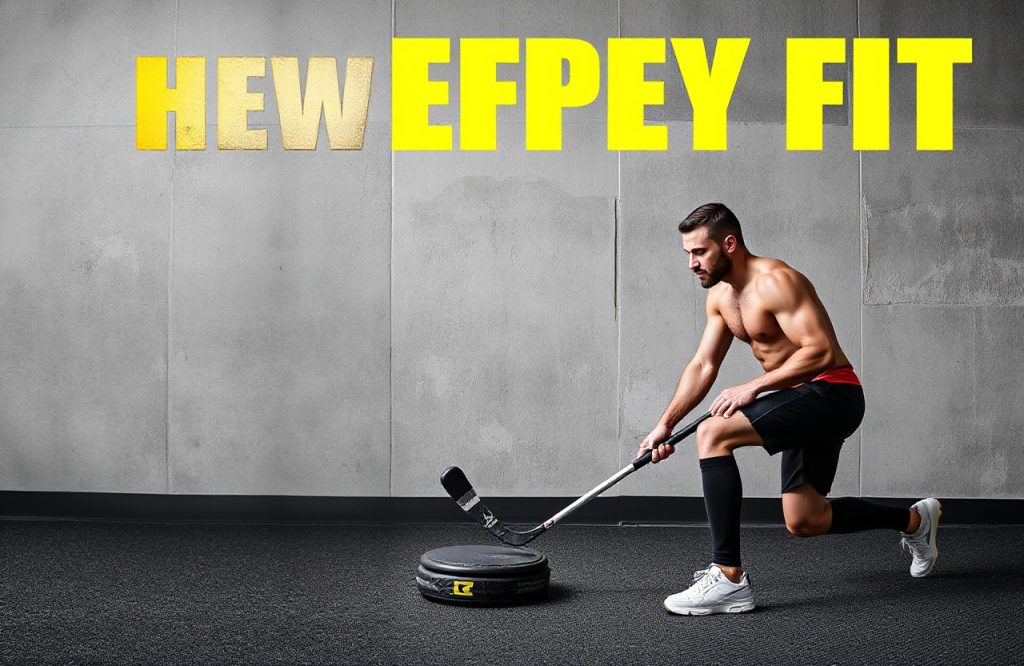
Evaluation of the Hockey FIT Program for Men’s Weight Loss
Introduction to Gender-Sensitized Weight Loss Programs
Researchers in Canada are assessing the effectiveness of a new weight loss initiative tailored for men, known as Hockey FIT. This program addresses the increasing concern that a significant proportion of Canadian men, 62% according to 2014 statistics, self-report as overweight or obese, compared to 46% of women. The data reveals that men frequently feel overlooked by existing health programs, highlighting the necessity for a gender-sensitive approach to weight loss.
Development of the Hockey FIT Program
In response to this gap, Canadian researchers modified a previous initiative, Football Fans in Training, to resonate with hockey enthusiasts. Hockey FIT is being developed to establish a weight loss program that incorporates male-centric objectives, education, and training.
Methodology of the Study
The evaluation of Hockey FIT’s effectiveness involved multiple metrics, including the experiences of coaches in implementing the program, feedback from participants, and ongoing optimization efforts. The study included 80 male hockey fans, aged 35 to 65, with a body mass index exceeding 28 kg/m², classifying them as overweight.
Structure of the Hockey FIT Program
The Hockey FIT program comprises a 12-week active phase consisting of weekly 90-minute support sessions held at designated fitness clubs or hockey arenas, followed by a 40-week minimally supported phase. The active phase features a 90-minute classroom session coupled with group-based exercises led by Hockey FIT coaches. During the minimal support phase, participants benefit from support tools such as private social networks and motivational emails.
Findings and Reception of the Program
Recent findings published in BMC Public Health reveal a positive reception of the program based on interviews with both coaches and participants. Participants expressed that Hockey FIT coaches demonstrated a personal commitment to their health, which significantly boosted their motivation to engage in future sessions and set new personal fitness goals.
Areas for Improvement
Despite the overall success, participants identified areas for enhancement, including increasing attendance during the mid-program phase, enhancing nutrition education, and incorporating more hockey skills and drills. Researchers noted that these improvements are minor and do not necessitate significant redesign of the program.
Conclusion
The Hockey FIT program exemplifies the potential of gender-sensitized initiatives aimed at sports fans. With its innovative approach to fitness, it holds promise for improving overall health and fitness among men.
Reference
Blunt, W., Gill, D.P., Sibbald, S.L., Riggin, B., Pulford, R., Scott, R., Danylchuk, K., et al. (2017). Optimization of the Hockey Fans in Training (Hockey FIT) weight loss and healthy lifestyle program for male hockey fans. BMC Public Health, 17(196). Retrieved from https://bmcpublichealth.biomedcentral.com/articles/10.1186/s12889-017-4926-z