The French Paradox and Its Implications
Understanding the French Paradox
The French paradox refers to the surprisingly low incidence of coronary heart disease in French populations, despite their diet being relatively high in saturated fats. A potential explanation for this phenomenon may lie in the moderate consumption of red wine by the French.
The Role of Oxidizing Agents
An oxidizing agent, or oxidant, is a substance that can oxidize other molecules, resulting in the loss of electrons. Common oxidizing agents that arise from physiological processes include oxygen, hydrogen peroxide, and halogens. When there is an imbalance between reactive oxygen species and the body’s defense and repair mechanisms, “oxidative stress” can occur, contributing to chronic diseases and aging.
Antioxidants and Their Function
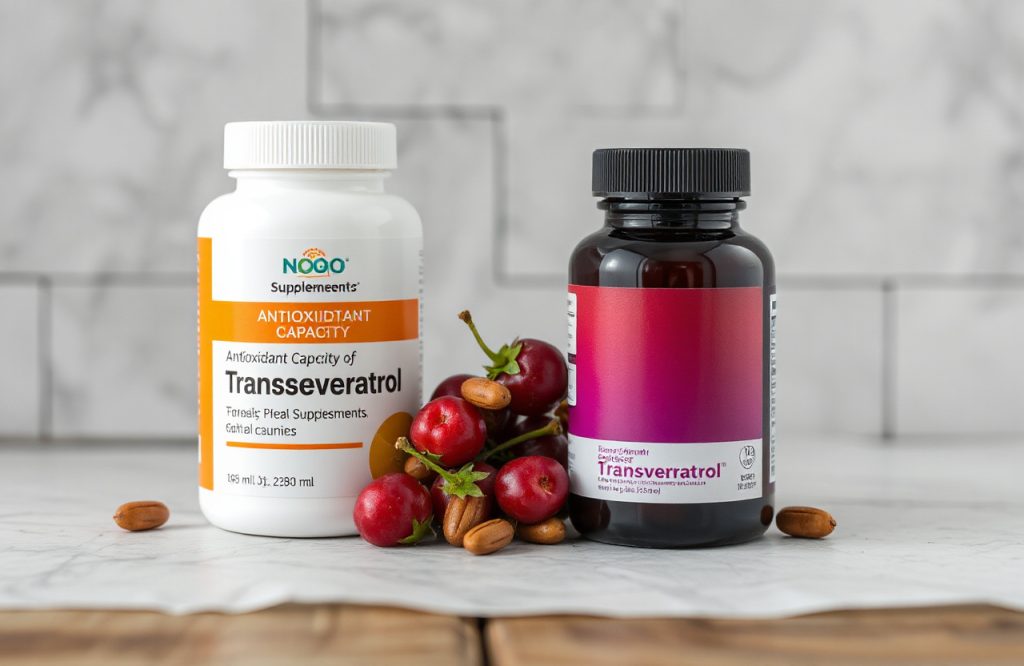
Antioxidants are compounds that inhibit oxidation, effectively scavenging free radicals—highly reactive molecules with unpaired electrons—to combat oxidative stress. Polyphenols, a class of antioxidants, encompass phenolic acids, flavonoids, stilbenes, and lignans. Resveratrol (trans-RSV), a stilbene found abundantly in grapes, wine, peanuts, and berries, exists in two forms: trans and cis. The trans configuration of resveratrol is believed to possess anti-inflammatory, antioxidant, anti-aging, and anti-diabetic properties, potentially aiding in the prevention of various diseases and promoting the use of trans-RSV supplements.
Recent Research on Trans-Resveratrol
Study Objective
A recent study published in Food and Chemical Toxicology aimed to evaluate whether trans-RSV could protect against the harmful effects of beauvericin. Beauvericin (BEA) is a mycotoxin produced by fungi, which can lead to disease and mortality in humans through cytotoxicity, DNA damage, and lipid peroxidation related to oxidative stress. BEA is commonly found in contaminated grains, such as corn, wheat, and barley.
Methodology and Focus Areas
The study employed rigorous sampling and scientific testing to investigate the following:
– The trans-RSV content in various polyphenol dietary supplements
– The antioxidant capacity of trans-RSV in these supplements
– The influence of BEA on the antioxidant capacity of trans-RSV when combined
Key Findings
The results indicated that all polyphenol dietary supplements contained higher levels of RSV than stated on their labels. Moreover, these supplements demonstrated antioxidant capacity, and the combination of trans-RSV and BEA did not adversely affect the antioxidant capacity of trans-RSV. These findings suggest that RSV could mitigate the oxidizing effects of BEA, potentially linking the results to the clinical implications of the French paradox.
Future Research Recommendations
To gain a deeper understanding of the mechanisms involved between BEA and trans-RSV, further research in this area is recommended.
Written By
Jordyn Posluns, B.Sc. (Hons)