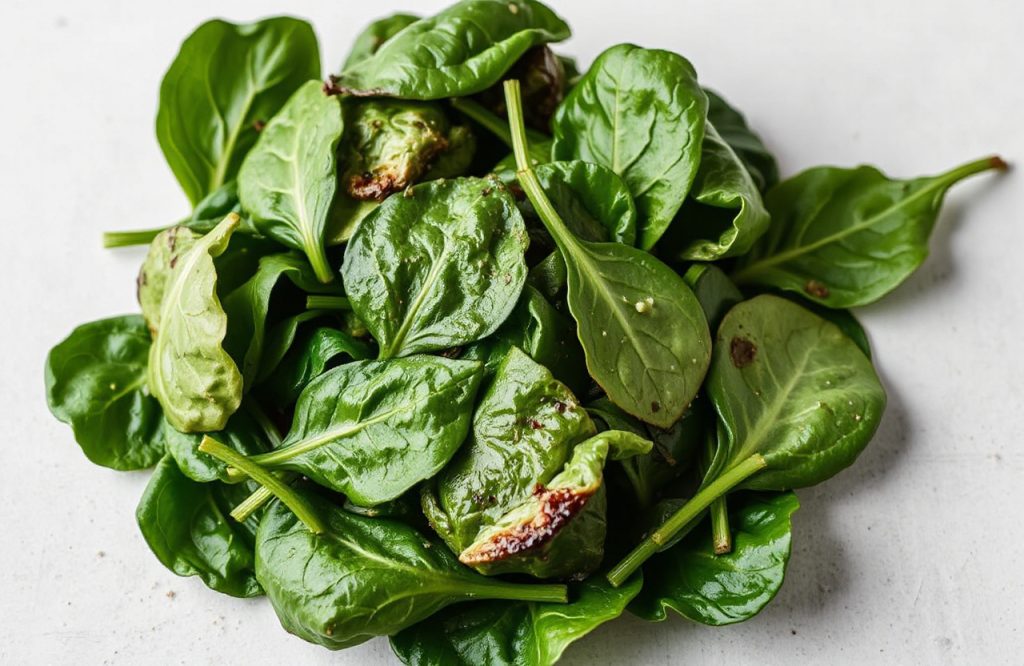
Impact of Cooking Methods on the Health Benefits of Spinach
Introduction to Spinach Nutritional Value
Researchers have explored how various cooking methods influence the health benefits of spinach. This leafy green is rich in essential vitamins and minerals, and it serves as a significant source of lutein, a pigment found in dark green vegetables. Lutein functions as an antioxidant, playing a crucial role in supporting the body’s immune defense system.
Research Findings on Lutein and Immune Response
Studies conducted at Linköping University in Sweden indicate that lutein can mitigate inflammatory responses in immune cells derived from coronary artery disease patients. Furthermore, these immune cells have the ability to store lutein, suggesting that increasing dietary intake could enhance lutein reserves. However, it’s important to note that cooking can break down lutein, potentially diminishing its availability.
Cooking Preparation Methods Examined
Study Overview
The research team at Linköping University sought to determine how different cooking techniques impact the health benefits of spinach, specifically concerning lutein availability. Their findings were published in the journal Food Chemistry.
Methods Used in the Study
The researchers assessed the effects of several cooking methods on fresh baby spinach purchased from a local store. The spinach was subjected to boiling, steaming, or frying at various temperatures and durations. Additionally, some cooked spinach samples were stored overnight in the refrigerator and reheated in a microwave the next day. Raw spinach was also liquefied using either water or dairy products.
Measurement of Lutein Availability
After preparing the spinach using these methods, the researchers simulated stomach digestion by applying an enzyme digestion process in the laboratory and subsequently measured the amount of available lutein.
Key Findings on Lutein Availability
Effects of Cooking on Lutein Levels
The results revealed that the highest levels of available lutein were found in unheated liquefied spinach samples, particularly when dairy products were incorporated. Conversely, the application of heat through any cooking method significantly reduced lutein availability, with the most considerable loss occurring after prolonged boiling. Interestingly, reheating cooked spinach in the microwave appeared to partially reverse the reduction in lutein, possibly due to the further breakdown of the plant structure.
Optimal Method for Consuming Spinach
The researchers concluded that liquefying raw spinach with dairy products is the most effective method for maximizing its health benefits and lutein release. Chopping spinach enhances lutein extraction from the leaves, while the fat content in dairy products improves its solubility in the mixture. Dr. Rosanna Chung, the principal author, stated, “Best is not to heat the spinach at all. And even better is to make a smoothie and add fat from dairy products, such as cream, milk, or yogurt.”
Conclusion
In summary, the study emphasizes the importance of cooking methods on the nutritional benefits of spinach, suggesting that raw and liquefied spinach combined with dairy products provides the best source of lutein.
References
Chung RWS, Leanderson P, Gustafsson N, et al. Liberation of lutein from spinach: effects of heating time, microwave-reheating, and liquefaction. Food Chemistry 277(2019)573-578.
Press release Linköping University: Getting the most out of spinach – maximizing the antioxidant lutein. 21st Dec 2018. https://www.eurekalert.org/pub_releases/2018-12/lu-gtm122118.php