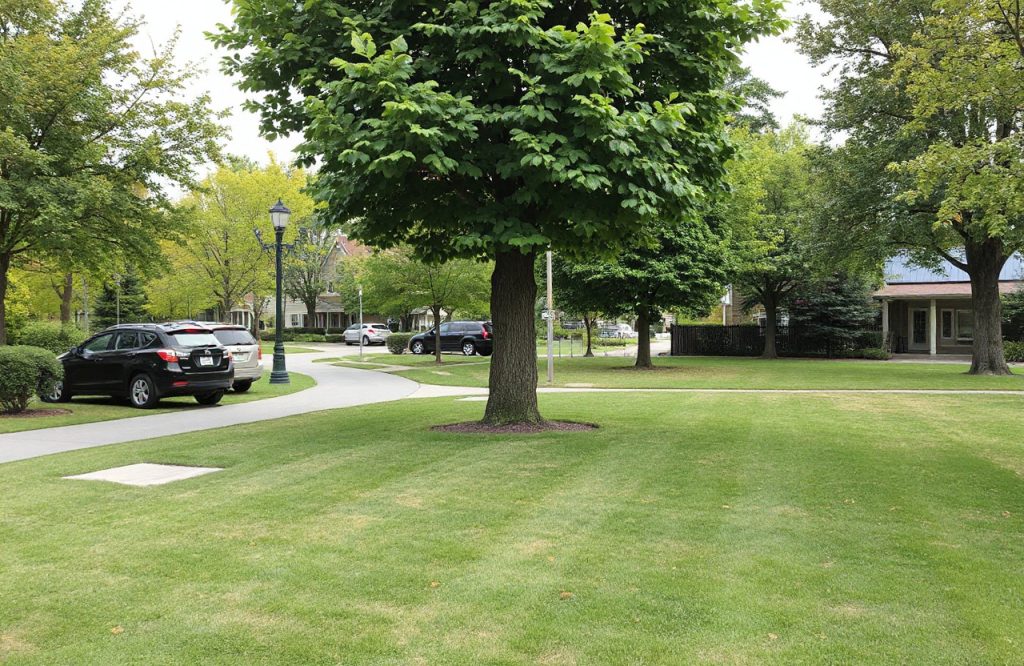
Measuring the Value of Greenspaces for Human Well-Being
Introduction to Greenspace Benefits
Scientists now possess a predictive tool designed to assess the value of greenspaces in promoting human well-being and alleviating stress. This innovative tool measures how effectively public greenspaces foster tranquility, thereby aiding city officials, environmentalists, and community members in enhancing urban green initiatives. The significance of tranquil environments has long been acknowledged, though previously difficult to quantify. Evidence shows that community green spaces enhance overall well-being and offer pain and stress relief.
Additional Benefits of Urban Greenspaces
Beyond individual health improvements, green areas in urban settings play a vital role in mitigating climate change, stimulating economic growth, and building more resilient communities. Recognizing these documented advantages, city planners and health advisors are focused on optimizing existing greenspaces and safeguarding additional green areas.
The Need for Data-Driven Planning
Traditionally, architects and planners of greenspace have operated with limited guidance and insufficient data. However, researchers at the University of Bradford have developed a method to enhance greenspace optimization through their Tranquility Rating Prediction Tool (TRAPT). This tool quantifies the impact of various natural features, including sound quality and contextual elements.
How TRAPT Works
The researchers conducted comparisons between reported tranquility and stress relief ratings against the presence of natural features in urban green areas. By exploring city centers, they assessed the influences of natural additions such as plants, hedges, and grass, along with pleasant soundscapes—both natural and artificial. Through extensive data collection worldwide, the team has created a predictive model capable of measuring the additional benefits of each feature.
Implications for Urban Planning
With TRAPT, planners can now accurately predict the advantages of individual hedges, trees, and sound barriers, allowing for a direct comparison to financial investments. This tool offers crucial insights to city planners, environmentalists, activists, and the community, providing quantifiable data to advocate for the protection and expansion of greenspaces.
Conclusion
The environmental aspects of city planning have often lacked measurable presentations of their benefits, leading to decisions that prioritize economic growth over greenspace preservation, as seen in instances where parks are replaced by commercial developments. TRAPT empowers advocates for greenspaces by highlighting their undeniable advantages and will enable city planners to make informed decisions regarding features that enhance tranquility in urban greenspaces.
References
Greg Watts. The effects of “greening” urban areas on the perceptions of tranquillity. Urban Forestry & Urban Greening, 2017; 26: 11 DOI: 10.1016/j.ufug.2017.05.01