MGUMST Introduces Drone Technology for Healthcare in Jaipur
Overview of the Initiative
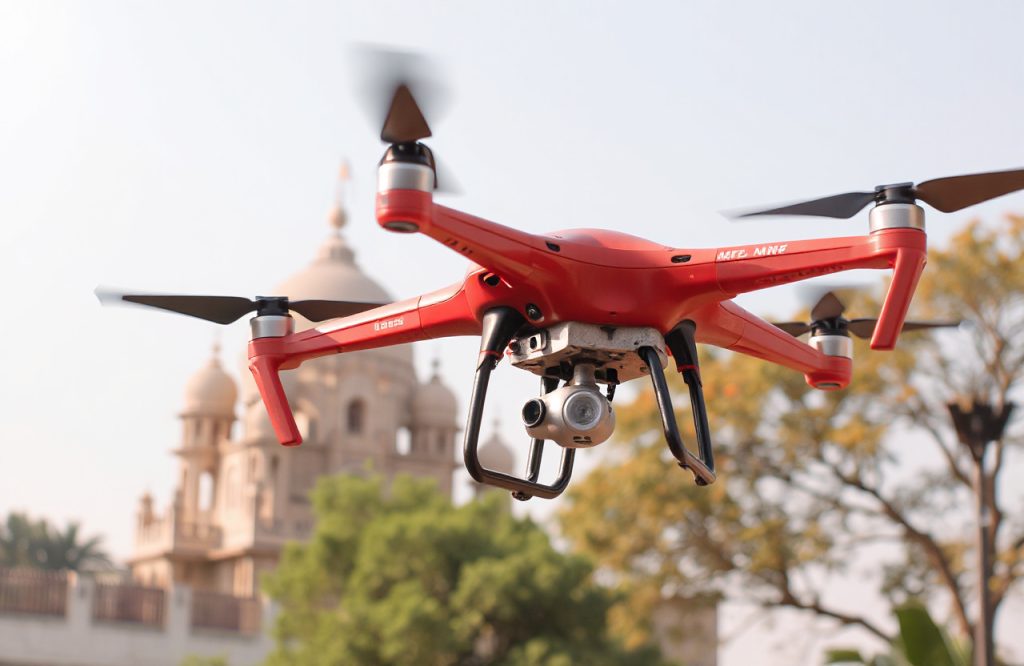
Mahatma Gandhi University of Medical Sciences and Technology (MGUMST) in Jaipur has announced a groundbreaking plan to utilize drones for transporting healthcare materials. This initiative will encompass the delivery of medicines, human organs for transplantation, and diagnostic specimens, alongside applications in surveillance and emergency response during disasters.
Collaboration with Magic Myna
As reported by The Indian Express, MGUMST views this development as a significant advancement in the integration of aerial drone technology into healthcare and safety systems. The university is set to establish a dedicated Centre of Excellence in collaboration with Magic Myna, focusing on drone innovation. This center aims to foster innovation, training, research, and the development of advanced drone-based services within the medical sector.
Partnership Details
MGUMST is in the process of finalizing a partnership with a Rajasthan-based drone manufacturer. Magic Myna’s director, Sunil Soman Nair, along with state representative Ghanshyam, mentioned that drones are already extensively used in defense operations. They are currently obtaining the necessary regulatory clearances for medical applications. This collaboration between MGUMST and Magic Myna represents the first initiative of its kind in Rajasthan, as reported by The Daily.
Benefits of Drone Technology for Organ Transportation
Sukant Das, Chief Operating Officer of Mahatma Gandhi Medical College and Hospital, and Marketing Director Virendra Pareek emphasized the advantages of drone technology for the rapid transportation of cadaver organs. Once a patient has been declared brain dead, the window for organ transplantation is limited. The use of drones can replace traditional methods such as ambulances and green corridors, addressing challenges like traffic, long-distance travel, and time constraints. This innovation aims to enhance the safety and efficiency of organ transfers between hospitals, potentially increasing the organ transplant rate.
Impact on Laboratory Sample Transportation
The transportation of laboratory and diagnostic samples is also expected to experience significant improvements. With the introduction of temperature-controlled drone boxes, sensitive specimens such as blood samples and biopsies can be swiftly transported to testing centers. Virendra Pareek highlighted that timely delivery will help maintain sample integrity and prevent delays in patient treatment.
Security Surveillance and Alignment with National Initiatives
In addition to medical applications, drones will be instrumental in conducting security surveillance and patrols. This initiative aligns with the principles of Atmanirbhar Bharat, promoting local solutions and technology-driven healthcare in Rajasthan. The strategic implementation of drone technology is poised to empower the region’s healthcare system.