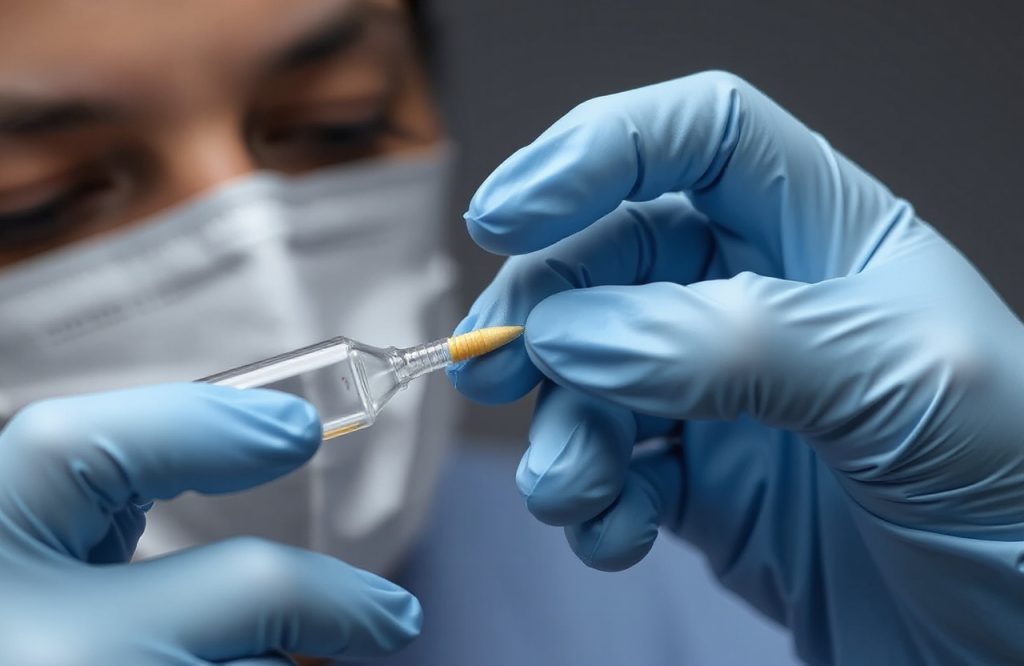
Advancements in Microneedle Technology
Introduction to Microneedles
Recent developments in technology have led to the creation of smaller and significantly less painful needles known as microneedles. Traditionally, when patients require prescription medications, the common methods of delivery are oral pills or injections, each with its own set of drawbacks.
Challenges of Oral Medication
Oral medications take a lengthy route to reach the targeted organ. While they are painless, they are subject to the digestive system, which metabolizes and excretes a substantial portion of the drug through the liver. This process diminishes the drug’s potential benefits, and increasing dosage risks toxic reactions or adverse effects on other tissues or organs.
Topical Applications and Skin Barriers
Topical health remedies are prevalent in many cultures. Utilizing the skin for drug delivery can circumvent the complications associated with oral medication. However, the skin’s primary role as a barrier against physical and chemical injury poses challenges for effective drug delivery. Mechanically penetrating this barrier typically requires a hypodermic needle, which is often associated with clinic visits. While injections allow medications like vaccines to be absorbed efficiently into the body, they also have limitations.
Limitations of Traditional Injections
Injections are restricted by the size and caliber of the needle, limiting the frequency and volume of administration. Additionally, the physical and psychological discomfort associated with needle pricks cannot be ignored.
The Promise of Smaller Needles
To address these concerns, scientists have focused on developing smaller needles as a more effective delivery system. A recent study published in the Journal of Pharmacy and Pharmaceutical Sciences by researchers in Mexico reviews the current technology surrounding microneedles and their applications in both medical and cosmetic fields.
Size and Design of Microneedles
Microneedles have existed since the 1970s, but advances in microelectronics have enabled the production of needles with significantly smaller diameters and lengths. Typically, microneedles measure between 0.5 to 1.0 mm in diameter, with newer technology allowing for needles as thin as 0.1 mm. This reduced size minimizes trauma during skin penetration, leading to a decrease in pain response. Furthermore, microneedles can be constructed from more inert materials such as polymers or ceramics, which lessen tissue reactions while maintaining their strength. Research has also produced biodegradable needles made from components like maltose sugar.
Delivery Mechanisms
The effectiveness of delivery systems is influenced by needle design. Traditional hollow needles deliver drugs through their openings, while solid needles coated with medication transfer the substance as they penetrate the skin layers.
Healthcare Implications of Microneedles
Microneedles have the potential to revolutionize healthcare by enabling drug delivery through the skin with improved precision and less trauma. This innovation could facilitate easier vaccinations for children and those who are apprehensive about needles. Additionally, life-saving medications can be administered directly to specific areas for maximum impact.
Cosmetic Applications
The cosmetic industry also stands to benefit significantly from microneedle technology. Products like botulinum toxin and hyaluronic acid can be injected with reduced pain and trauma, enhancing patient comfort and satisfaction.
The Future of Needle Technology
As microneedles become more commercially available, the fear and discomfort often associated with traditional needles may fade, making medical procedures more accessible and less daunting for patients.
Reference
Serrano-Castaneda, et al. “Microneedles as Enhancer of Drug Absorption Through the Skin and Applications in Medicine and Cosmetology.” Journal of Pharmacy and Pharmaceutical Sciences. (21): 73-93, 2018.