How Might Microplastics in the Gut Impact Health?
New Research Investigates
*Image Credit: picture alliance t/Getty Images. Pictured, 13 August 2025, North Rhine-Westphalia, Duesseldorf: Microplastics lie on a filter on the laboratory ship of the State Agency for Nature, Environment and Climate (LANUK), Max Prüss.*
Microplastics are increasingly present in our daily environments, yet their full effects on human health, particularly in the gastrointestinal tract, remain uncertain.
The Concern of Microplastics in the Gut
Microplastics, which are defined as fragments of plastic measuring 5 millimeters (mm) or smaller, raise significant concerns among health professionals. Ongoing research focuses on understanding how these particles affect gut microorganisms and the overall gut environment.
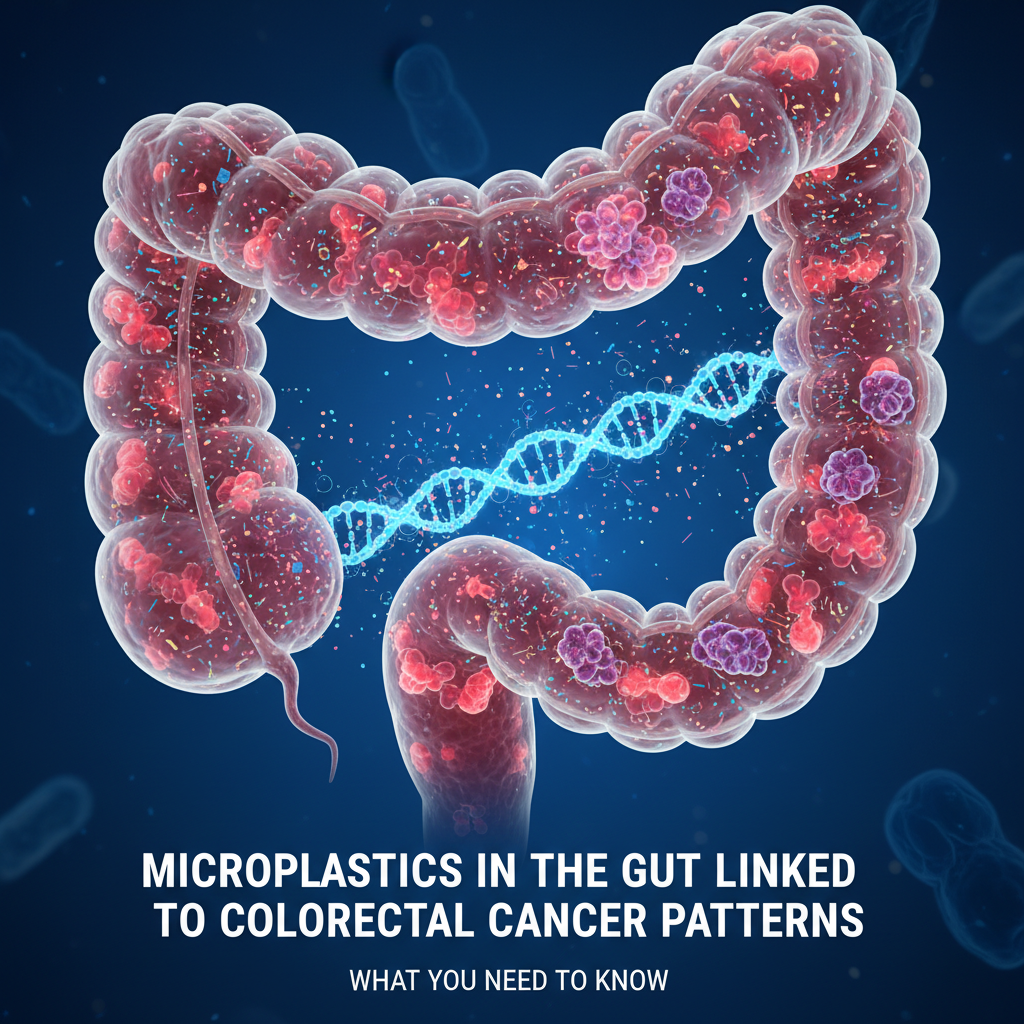
Recent studies indicate that exposure to microplastics may increase the acidity of gut microbiota, potentially contributing to health issues related to conditions such as colorectal cancer.
Insights from the microONE Project
The microONE project, spearheaded by researchers at CBmed GmbH in Graz, Austria, utilized human stool samples to create bioreactive cultures. These cultures were subsequently exposed to microplastics to assess their impact.
Key Findings
– **Impact on pH Levels**: The research demonstrated that microplastics altered the pH levels of the samples, suggesting potential effects on the metabolism and activity of gut microbes.
– **Link to Gastrointestinal Diseases**: The study revealed that changes in fecal pH correlate with certain gastrointestinal diseases. The shifts in microbial composition caused by microplastics were notably similar to those associated with conditions like colorectal cancer and depression.
Presentation of Study Results
These important findings were shared at UEG Week 2025, the annual congress of United European Gastroenterology, emphasizing the urgent need for further exploration into the health implications of microplastics in the gut.