Mislabeling Supplements Poses Risks to Consumers
Concerns Over Caffeine and Undeclared Drugs
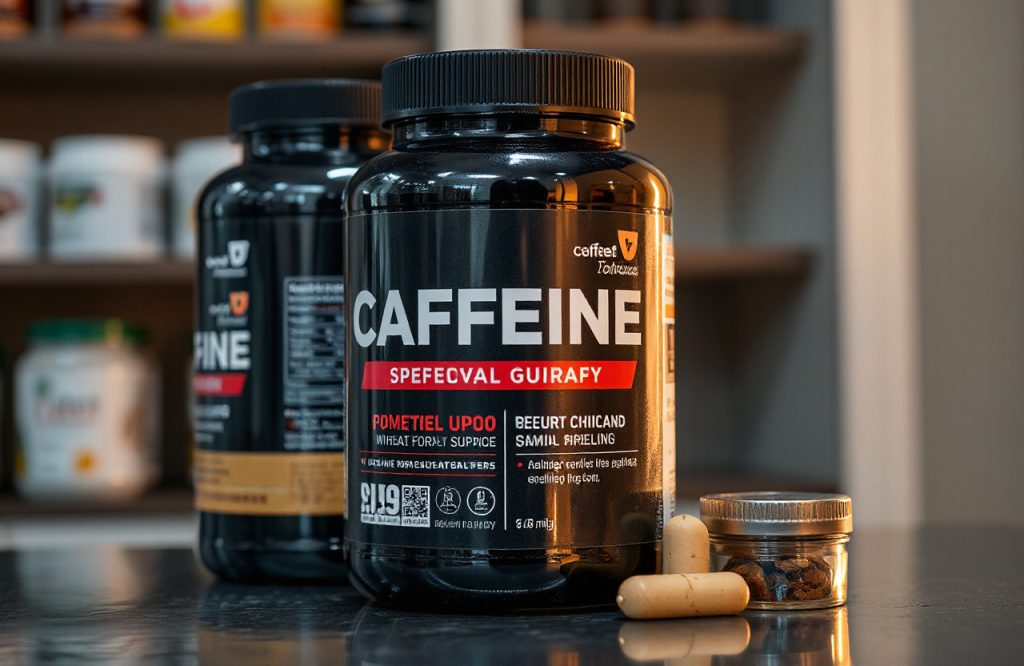
An analysis of confiscated dietary supplements has revealed serious issues regarding mislabeling, including the presence of caffeine and undeclared drugs. These inconsistencies in ingredient labeling and caffeine content highlight the risks consumers face. Mislabeling can lead to exceeding the recommended daily caffeine intake or exposing individuals to unlisted pharmaceutical ingredients.
Caffeine Dosages and Safety
Caffeine is a common ingredient in dietary supplements, with some evidence suggesting it may help reduce caloric intake. At moderate doses of 200 mg per day, caffeine is generally considered a safe stimulant that enhances focus and reduces fatigue. However, exceeding the safe daily limit of 400 mg may lead to adverse effects such as rapid heartbeat, insomnia, nervousness, headaches, and gastrointestinal discomfort. Vulnerable populations, including pregnant women and the elderly, may experience negative effects even at lower doses. Since caffeine intake can come from both dietary sources and supplements, users of weight loss and performance products may inadvertently consume excessive caffeine.
Evidence of Undeclared Risks
Research conducted by Diana Brito da Justa Neves and colleagues from the National Institute of Criminalistics in Brasilia, Brazil, published in the 2017 issue of Food and Chemical Toxicology, sheds light on the issue. The study analyzed 213 samples of dietary supplements confiscated by the Brazilian Federal Police between 2010 and 2016. The caffeine content of these samples was compared against their labels. Alarmingly, half of the tablets that claimed to contain caffeine had less than 80% of the advertised amount. Among solid capsules tested, approximately 70% declared caffeine, yet around 19% contained more than 120% of the stated amount. Furthermore, caffeine was found in nine bodybuilding capsules that did not declare it on their labels. More than half of the liquid capsules with caffeine declarations also exceeded the stated amounts. Notably, many products assessed in this study had passed their expiration dates, which may have affected the accuracy of caffeine content due to degradation over time.
The researchers also tested the samples for undeclared drugs and found that 13% contained such substances. While specific quantities were not analyzed, the undeclared drugs identified included phenprometamine and clobenzorex, both banned by the World Anti-Doping Agency, as well as sibutramine, femproporex, amphepramone (anorexiants), fluoxetine (an antidepressant), and other unlisted anti-inflammatory and fever-reducing agents like aminopyrine and dipyrone.
Staying Informed and Safe
The discrepancies found in dietary supplements raise significant concerns for consumer safety. Incorrect labeling can lead to excessive daily caffeine intake and exposure to undeclared drugs. Consumers should look for indicators of accurate ingredient labeling, such as third-party testing and certifications like NSF Good Manufacturing Practice (cGMP), NSF Certified for Sport, or Informed Sport approval. The findings from this extensive study on caffeine content in dietary supplements serve as a crucial reminder of the potential risks associated with these products.