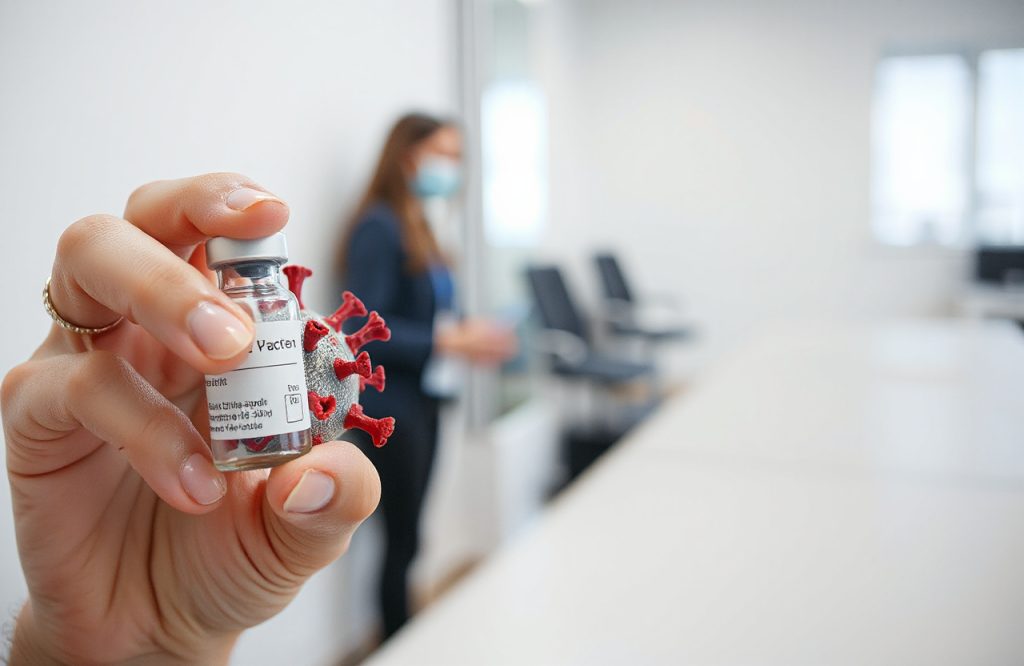
Current COVID-19 Vaccine Development and Distribution
Overview of Vaccine Development
Numerous vaccines are under development to combat COVID-19, with several already being distributed globally. The demand for these vaccines significantly exceeds the available supply, leading to speculation about the potential for mixing different vaccine doses.
Can COVID-19 Vaccines Be Mixed?
The question of whether COVID-19 vaccines can be mixed has emerged, prompting researchers to explore this possibility.
Types of COVID-19 Vaccines
mRNA Vaccines
The Pfizer and Moderna vaccines utilize mRNA technology, where mRNA stands for messenger ribonucleic acid. These vaccines instruct the body to generate an immune response against the spike protein of the SARS-CoV-2 virus. Following exposure to COVID-19, the body is equipped to recognize and combat the virus. Both vaccines require a second dose weeks after the first, which enhances their efficacy in preventing infection.
Viral Vector Vaccines
AstraZeneca’s vaccine, developed in collaboration with the University of Oxford, employs a different approach as a viral vector vaccine. It utilizes a modified adenovirus, which typically infects chimpanzees, to carry part of the COVID-19 spike protein, stimulating immune responses in humans. The Johnson & Johnson/Janssen vaccine offers the convenience of a single dose but is currently paused in the U.S. due to rare reports of severe blood clots, pending a safety review by the CDC.
Vaccine Distribution Challenges
Global Vaccine Access
Vaccines are not evenly distributed worldwide. A substantial portion of approved vaccines has been allocated to high- and middle-income nations, such as the United States, the United Kingdom, the European Union, China, and India, which together account for over half of all purchased doses. In contrast, many middle- and low-income countries face significant barriers to accessing vaccines, with projections suggesting that vaccination rates could only reach 60% by 2023 or beyond.
Strategies to Address Supply Issues
To mitigate supply challenges, some countries have extended the interval between the first and second doses, allowing more individuals to receive initial vaccinations while waiting for a second dose. Additionally, some vaccine manufacturers are warning of potential shortages of raw materials, which could impact production.
Research on Mixing COVID-19 Vaccines
Current Studies
Research into the feasibility of mixing COVID-19 vaccines is underway. One ongoing study examines the combination of the Russian Sputnik V vaccine with the AstraZeneca/Oxford vaccine. Participants initially receive the Sputnik V vaccine, followed by a booster of the AstraZeneca/Oxford vaccine three weeks later, with early efficacy results appearing promising.
Another clinical trial, named the Com-Cov study, aims to investigate the safety and effectiveness of mixing various vaccines. This study has already begun exploring side effects from combinations of the AstraZeneca/Oxford and Pfizer vaccines, with plans for additional arms to assess combinations involving Moderna and Novavax vaccines.
Current Recommendations
At present, the CDC advises against mixing and matching COVID-19 vaccines, except under special circumstances. Public Health England has issued similar guidance. Although mixing vaccines has been common in routine immunizations, the lack of sufficient clinical data for COVID-19 vaccines means that this practice cannot yet be widely recommended.
Future Implications
Should ongoing research yield positive results regarding mixed vaccine regimens, this approach may become standard practice in the future. Until ample clinical evidence is available, individuals are encouraged to adhere to existing public health recommendations to safeguard against COVID-19 infection.