Understanding Depression Treatment Challenges
Unique Nature of Depression
Depression is a prevalent mental health disorder impacting over 3 million individuals in the United States annually. It significantly disrupts daily functioning, yet the experience of depression varies greatly from person to person. There are over a hundred distinct combinations of symptoms that can lead to a diagnosis of depression. Unfortunately, these symptom combinations do not reliably indicate which treatments will be effective.
Challenges in Treatment Response
The process of identifying the most effective treatment for depression can be lengthy, often requiring several years of trial and error with different therapies. Alarmingly, approximately 20% of those diagnosed with depression do not respond to any treatment available. Consequently, finding the optimal treatment at the time of diagnosis is a critical focus for researchers and healthcare providers.
Research on Predicting Treatment Outcomes
Study Overview
In an effort to enhance treatment predictions, Dunlop and colleagues conducted a study examining the role of the subcallosal cingulate cortex in treatment response. Their findings were published in the American Journal of Psychiatry.
Methodology
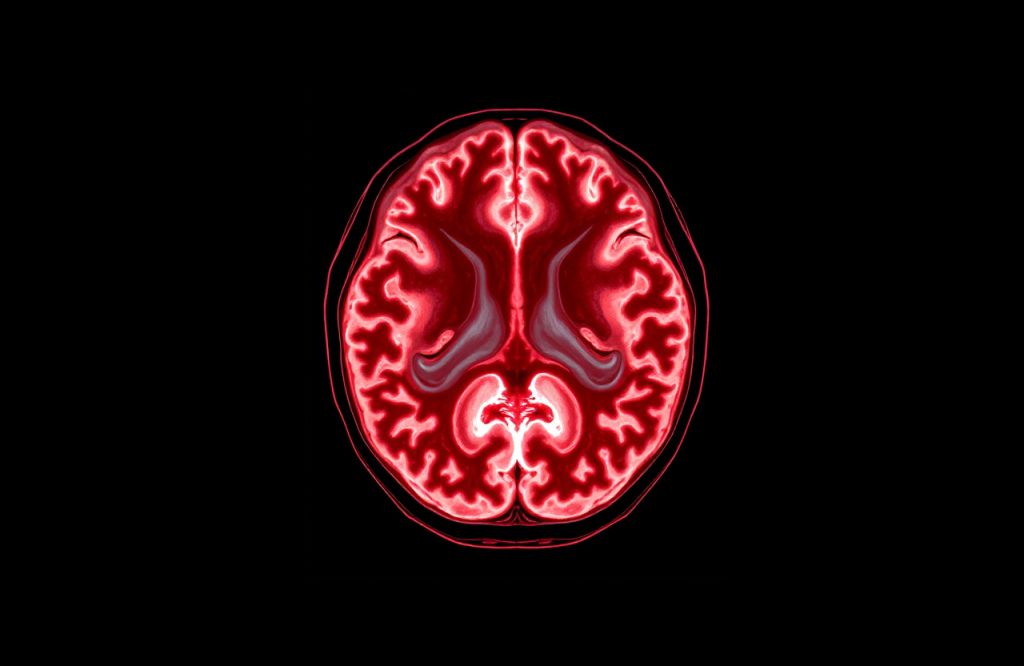
The study involved 122 patients who had been diagnosed with depression and had never previously received treatment. All participants underwent baseline MRI scans to assess brain activity. Following these scans, the patients were divided into two treatment groups. One group participated in 12 weeks of cognitive behavioral therapy (CBT), while the other group received one of two antidepressants: escitalopram, a selective serotonin reuptake inhibitor (SSRI), or duloxetine, a serotonin norepinephrine reuptake inhibitor (SNRI).
Measuring Treatment Outcomes
To evaluate the effectiveness of the treatments, researchers used the 17-item Hamilton Depression Rating Scale (HAM-D). Participants were classified as remitters if their scores were 7 or lower, indicating significant improvement, or as nonresponders if they did not achieve this level of improvement.