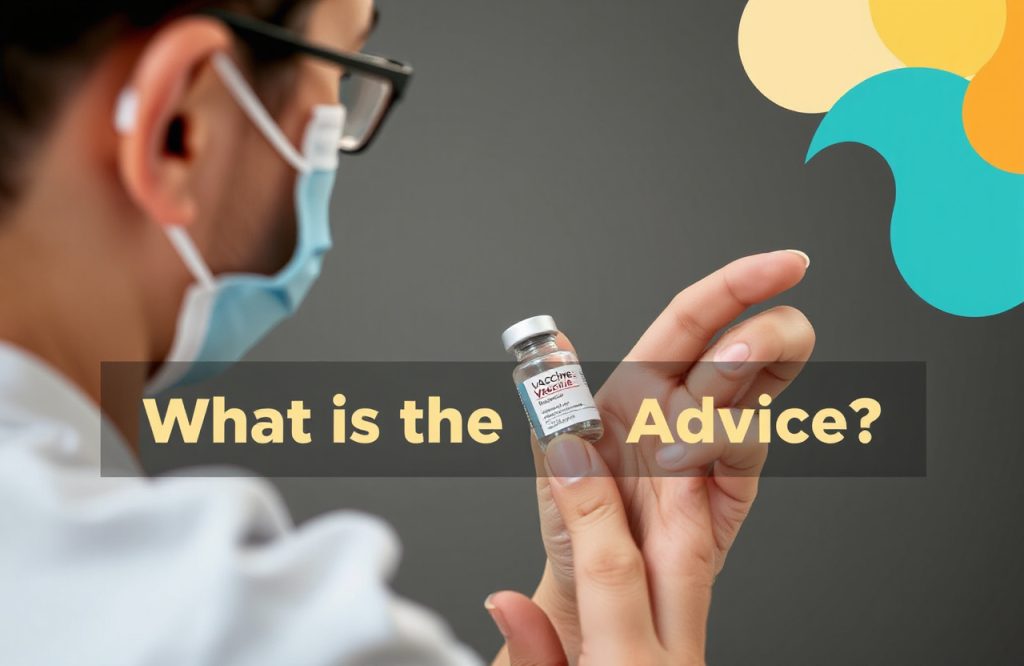
Overview of COVID-19 Vaccines and Allergic Reactions
Introduction to COVID-19 Vaccination
COVID-19 vaccines have dominated media coverage since the initiation of vaccinations in December 2020. Concerns arose regarding potential allergic reactions associated with the Pfizer-BioNTech and Moderna vaccines.
Vaccination Statistics
As of January 4, 2021, over 4.5 million Americans received their first dose of the COVID-19 vaccine. Reports from Massachusetts General Hospital (MGH) indicate at least ten allergic reactions to the Pfizer-BioNTech vaccine and two to the Moderna vaccine, translating to a rate of 1.3 allergic reactions per 100,000 doses of the Pfizer-BioNTech vaccine.
Expert Review on Allergic Reactions
Research Findings
To alleviate concerns about anaphylactic reactions, MGH’s expert allergists reviewed existing data and published their findings in the Journal of Allergy and Clinical Immunology: In Practice. They noted that reactions occurred within 15 minutes of vaccination, and prompt treatment resolved all symptoms. No deaths or long-term complications have been reported following these allergic reactions.
Revised Guidelines for Vaccination
Initially, individuals with a history of anaphylaxis to food or medication were advised against receiving the COVID-19 vaccine. However, following a thorough review, recommendations have been updated by the Centers for Disease Control and Prevention (CDC):
– Individuals who have experienced severe or immediate allergic reactions to any component of an mRNA COVID-19 vaccine should avoid both the Pfizer-BioNTech and Moderna vaccines.
– Those who have a severe allergic reaction after the first dose should not receive a second dose.
– Individuals allergic to polyethylene glycol (PEG) or polysorbate should refrain from both mRNA COVID-19 vaccines.
– All vaccinated individuals should be monitored for at least 15 minutes post-vaccination, while those with a history of severe allergic reactions to vaccines should be observed for at least 30 minutes.
Advice for Individuals with Allergies
People with allergies to foods, animals, environmental factors, latex, or oral medications, as well as those with a family history of severe allergies, are still encouraged to get vaccinated. Individuals with a history of allergic reactions to other vaccines should consult with their healthcare provider to assess the safety of COVID-19 vaccination.
Reassurance from Experts
Safety of Vaccines
The expert team reassures that those with food or medication allergies can safely receive the COVID-19 vaccine, as neither the Pfizer-BioNTech nor the Moderna vaccines contain common allergens such as eggs, specific preservatives, or latex.
Guidelines for Second Dose Administration
The full review offers comprehensive guidance to ensure that individuals with a history of allergies can receive the COVID-19 vaccine safely. For those who experience an allergic reaction to the first dose, allergists provide steps to administer the second dose securely. This expert advice is crucial for the successful rollout of the COVID-19 vaccination program.
Author Information
Written by Helen Massy, BSc
References
Banerji, A., Wickner, P., Saff, R., Stone, C., Robinson, L., Long, A., Wolfson, A., Williams, P., Khan, D., Phillips, E., and Blumenthal, K., 2020. mRNA Vaccines to Prevent COVID-19 Disease and Reported Allergic Reactions: Current Evidence and Approach. The Journal of Allergy and Clinical Immunology: In Practice. Centers for Disease Control and Prevention. 2021. COVID-19 And Your Health. [online] Available at: [Accessed 5 January 2021]. Image by Angelo Esslinger from Pixabay.