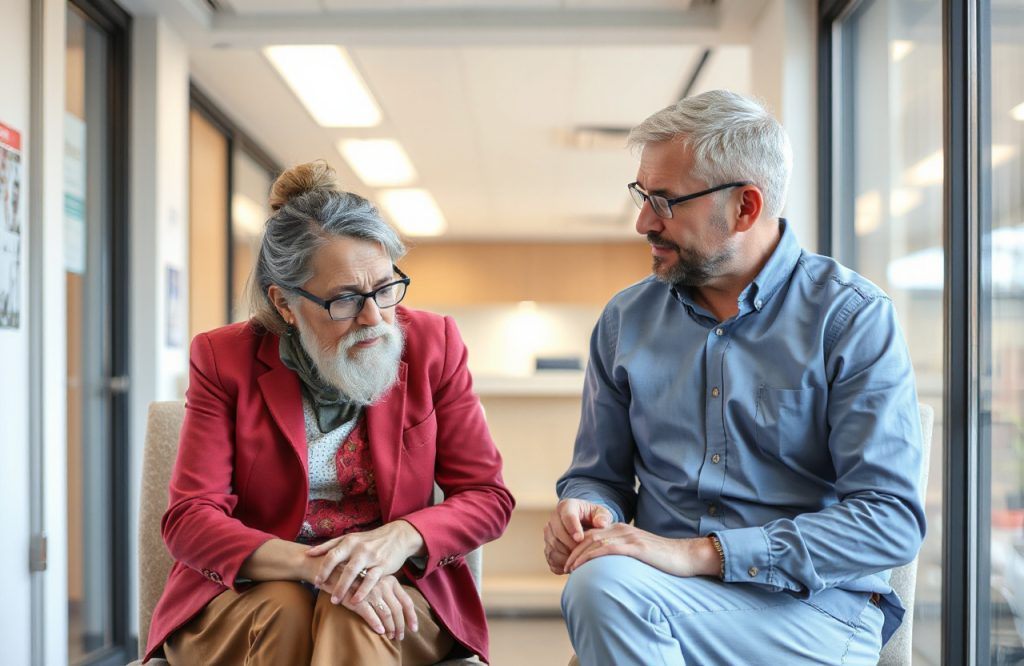
Study Investigates Connection Between Social Distancing and Increased Fall Risk for the Elderly
Overview of Fall Risks Among the Elderly
Falls are the leading cause of death and injury in older adults. In 2019, approximately 40% of elderly individuals experienced a fall. While many falls result in minor injuries such as bumps and bruises, more severe consequences like broken bones or head trauma can occur. Following a fall, elderly individuals often encounter mobility challenges, increasing the likelihood of transitioning to assisted living facilities.
Research Context and Need
Numerous studies have explored the causes of falls in the elderly, identifying various factors—from trip hazards to mobility limitations—that contribute to increased fall risk. However, since the onset of the COVID-19 pandemic and the implementation of social distancing measures, there has been a lack of research examining the potential impact of these measures on fall risk among older adults.
Investigation by University College London
Researchers from University College London sought to understand the relationship between loneliness, social isolation, and the risk of falls in the elderly. Their findings were published in the journal *Scientific Reports*.
Methodology and Data Collection
Data for this study was sourced from the English Longitudinal Study of Ageing (ELSA), which has been tracking participants over the age of 50 since 1998. Participants completed questionnaires and follow-ups every two years, which included information about falls. Additionally, data on hospitalizations due to falls was obtained from the National Health Service. A total of 4,013 participants provided self-reported fall data, while hospitalization data was collected from 9,285 participants. Researchers cross-referenced self-reported falls with hospital admission data.
Assessing Loneliness and Social Isolation
The study examined loneliness as reported by participants based on their feelings of companionship, isolation, and exclusion. Social isolation was assessed by whether participants lived alone or had limited social interactions. Rankings and scores were assigned to the loneliness and social isolation data, which were then statistically analyzed alongside participants’ social and demographic information.
Key Findings of the Study
The research revealed that both loneliness and social isolation significantly increased the risk of falls among participants, regardless of economic, demographic, social, or health factors. The study indicated that living with another person might reduce at-home hazards and enhance adherence to medical treatments.
Interestingly, loneliness did not contribute to increased fall risk when controlling for health and lifestyle factors such as long-term illness, limited mobility, disability, depression, or poor vision. The results suggest that social interactions play a crucial role in alleviating stress and providing a sense of purpose.
Conclusion
This study highlights the importance of social connections for elderly individuals, particularly in the context of increased fall risk during periods of social distancing. Promoting social engagement may serve as a protective factor against falls and enhance overall well-being among older adults.
References
Bu, F., Abell, J., Zaninotto, P. et al. A longitudinal analysis of loneliness, social isolation and falls amongst older people in England. Sci Rep 10, 20064 (2020). https://doi.org/10.1038/s41598-020-77104-z
Image by Steve Buissinne from Pixabay