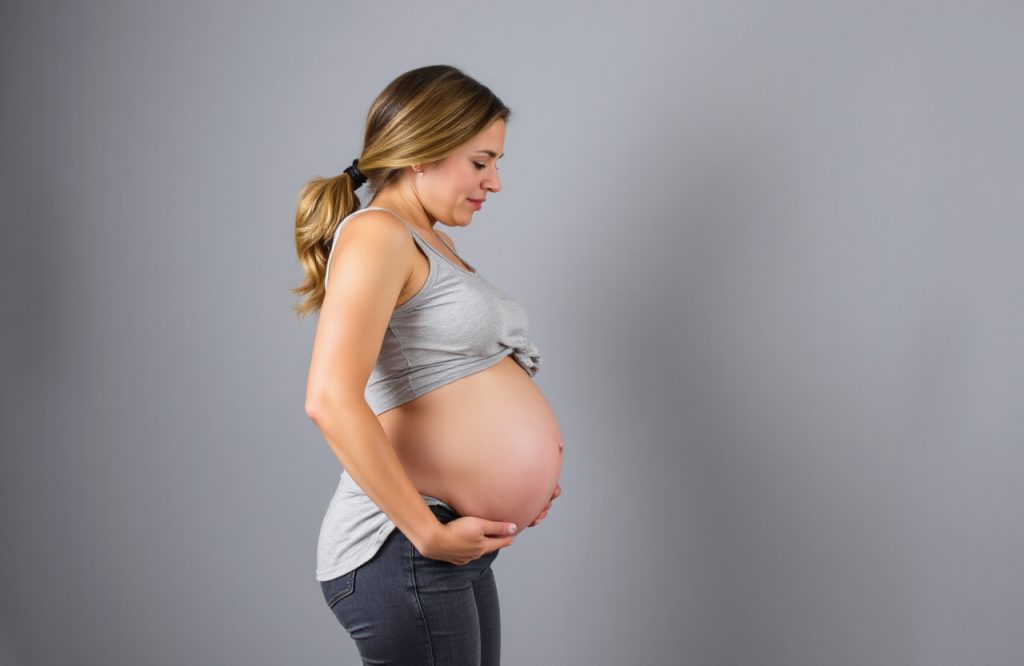
Understanding the Relationship Between Obesity and Pregnancy Complications
The Link Between BMI and Pregnancy Risks
Research indicates that pregnant women with a Body Mass Index (BMI) over 30 face heightened risks of complications during pregnancy and childbirth compared to their non-obese counterparts. Common complications include gestational diabetes mellitus (GDM), preeclampsia, and the necessity for emergency cesarean sections. All obese pregnant women are categorized as high-risk and follow standardized care pathways, irrespective of their individual characteristics. However, it is crucial to recognize that not all high-risk pregnancies require the same treatment. Tailoring care to the unique attributes of each obese pregnant woman can help mitigate potential pregnancy complications.
Identifying Maternal Characteristics for Uncomplicated Pregnancies
Healthcare providers can enhance care for obese pregnant women by identifying maternal characteristics that correlate with uncomplicated pregnancies. A study published in BMC Medicine explored these maternal factors and their association with successful pregnancy outcomes. The research team developed a model to predict an obese individual’s risk of pregnancy complications based on specific attributes. This predictive capability is vital for creating personalized care plans that increase the likelihood of uncomplicated pregnancies.
Research Methodology
The researchers analyzed data from 1,409 obese pregnant women, defined as those with a BMI greater than 30 kg/m². They collected information on sociodemographic factors, clinical characteristics, and body measurements at 15-18 weeks of gestation. Variables assessed included maternal age, ethnicity, smoking history, miscarriages, blood glucose levels, and adiponectin levels—protein related to blood sugar regulation and fatty acid metabolism. Follow-ups were conducted at 27 weeks, 34-35 weeks, at delivery, and six months postpartum.
Findings on Pregnancy Complications
Participants were classified into five groups based on their predicted risk of pregnancy complications, with findings revealing that 64% of obese pregnant women experienced complications. The most prevalent issues identified were gestational diabetes mellitus and emergency cesarean sections. Five independent factors emerged as predictors of a low risk for complications early in pregnancy: multiparity (having had previous pregnancies), maternal age, systolic blood pressure, HbA1c levels (a measure of blood sugar), and adiponectin levels. Notably, women categorized in the lowest risk group for complications exhibited the fewest issues, while those in the highest risk category experienced a prevalence of GDM at 43% and other complications.
The Importance of Individual Risk Evaluation
The study’s results indicated that approximately one-third of obese pregnant women encountered no complications during their pregnancies. Instead of automatically placing all obese women in a high-risk category, assessing individual maternal characteristics allows for a more accurate evaluation of actual risk levels. For instance, women identified as high-risk due to elevated systolic blood pressure may benefit from early interventions and more frequent monitoring. A risk assessment that incorporates maternal characteristics related to obesity and pregnancy complications can enhance clinical management and provide women with more options, empowering them to take control of their pregnancy journey.
Conclusion
This research underscores the significance of personalized care for obese pregnant women, illustrating that an individualized approach can lead to better outcomes.
Reference
Vieira, M.C. et al. Prediction of uncomplicated pregnancies in obese women: a prospective multicentre study. BMC Medicine (2017) 15:194. DOI: 10.1186/s12916-017-0956-8.