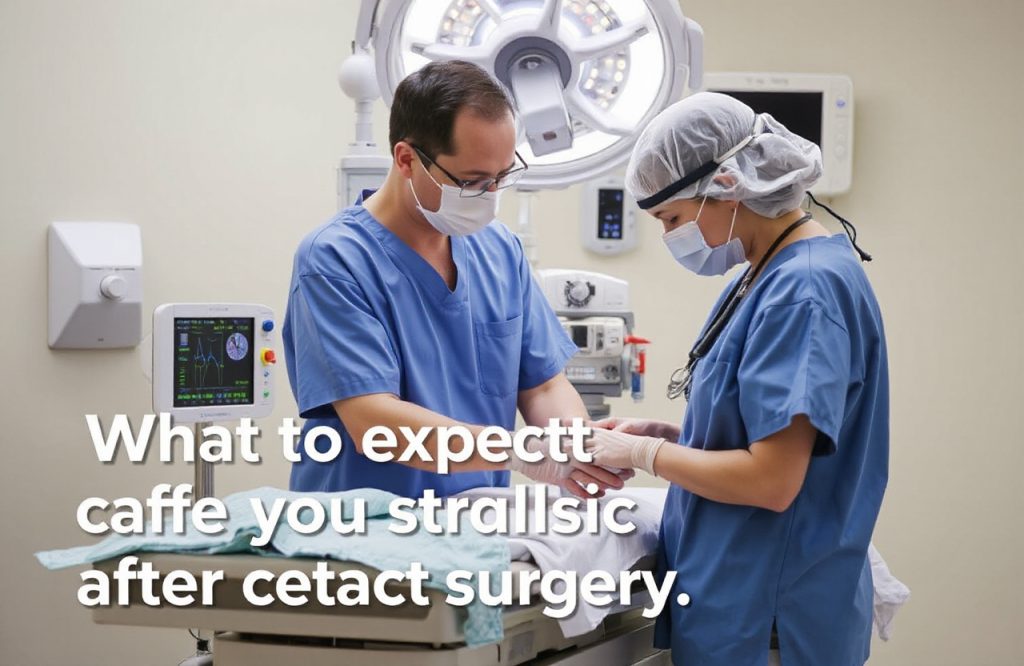
What to Expect After Cardiac Surgery
Overview of Cardiac Surgery
Cardiac surgery involves procedures on the heart or its blood vessels, typically performed by a cardiac surgeon. Common types of cardiac surgery include coronary artery bypass grafting (CABG), valve replacement or repair, and the insertion of devices such as pacemakers or implantable cardioverter defibrillators (ICDs). Other procedures include maze surgery and aneurysm repairs. Less frequent but crucial surgeries encompass heart transplants and the implantation of Left Ventricular Assist Devices.
Immediate Post-Operative Recovery
Recovery following cardiac surgery varies based on the specific procedure, any complications encountered during the operation, and the patient’s underlying health conditions. Post-operative attachments may include oxygen support, chest drains, IV pain medications, drug infusions, pacing monitors, and possibly a catheter bag.
Patients will be closely monitored by a specialized team in the intensive care unit (ICU) or a cardiothoracic high dependency unit (HDU) immediately following surgery. It is normal to feel tired, disoriented, and uncomfortable due to general anesthesia and pain medication. Some individuals may even experience visual disturbances as a side effect of pain relief drugs. Effective pain management is critical as it facilitates mobility and aids in clearing phlegm from the lungs. Nurses and physiotherapists will teach supportive cough techniques to assist in this process.
Importance of Early Mobilization
Early mobilization is a vital aspect of recovery. Healthcare team members will encourage patients to get out of bed on the first day post-surgery, as this significantly benefits recovery. Physiotherapists will assess respiratory health and mobility to ensure patients can take deep breaths and expel any phlegm accumulated during surgery under anesthesia. Engaging in movement, such as walking and getting out of bed, promotes deeper breathing and aids recovery.
Weaning off oxygen therapy will also be part of the physiotherapist’s responsibilities, along with nursing staff. A walking program will be initiated, focusing on a gradual increase in walking duration over several weeks.
Transitioning from ICU to Ward
After recovering in the ICU or cardiothoracic HDU, patients will transition to a ward for further monitoring. In the following days, attachments will gradually be removed, allowing for increased mobility and independence.
Education Prior to Discharge
Before discharge, patients will receive education on post-operative precautions, such as avoiding heavy lifting and strenuous activities for six weeks to allow adequate healing of the wound and sternum. They will also be advised against gardening and driving until their follow-up clinic appointment. A pharmacist will provide information regarding any medication changes, while other team members, such as dieticians and speech and language therapists, may be involved as needed.
Post-Discharge Follow-Up and Rehabilitation
After leaving the hospital, patients will have follow-up appointments to monitor their recovery. Participation in cardiac rehabilitation is recommended to enhance recovery and improve quality of life. Heart 2 Heart is available to assist with this part of your journey, and individuals are encouraged to schedule their first consultation.
Professional Insights
This article is authored by Olive McCafferty, a Chartered Physiotherapist currently working at the Mater Hospital. Olive will return to Heart 2 Heart in February, where she will introduce a musculoskeletal service and share her extensive knowledge in cardiovascular care.
Upcoming Webinar Opportunity
Individuals recovering from cardiac surgery are invited to join a complimentary webinar hosted by our specialist cardiac physiotherapist, Karen Cradock, on Wednesday, December 9th. Karen has extensive experience in cardiothoracic units across Birmingham, Leeds, and Sydney, focusing on rehabilitative care to help individuals maximize the benefits of their procedures.
Contact Information
For more information about Heart 2 Heart or to book a session, please reach out to us.