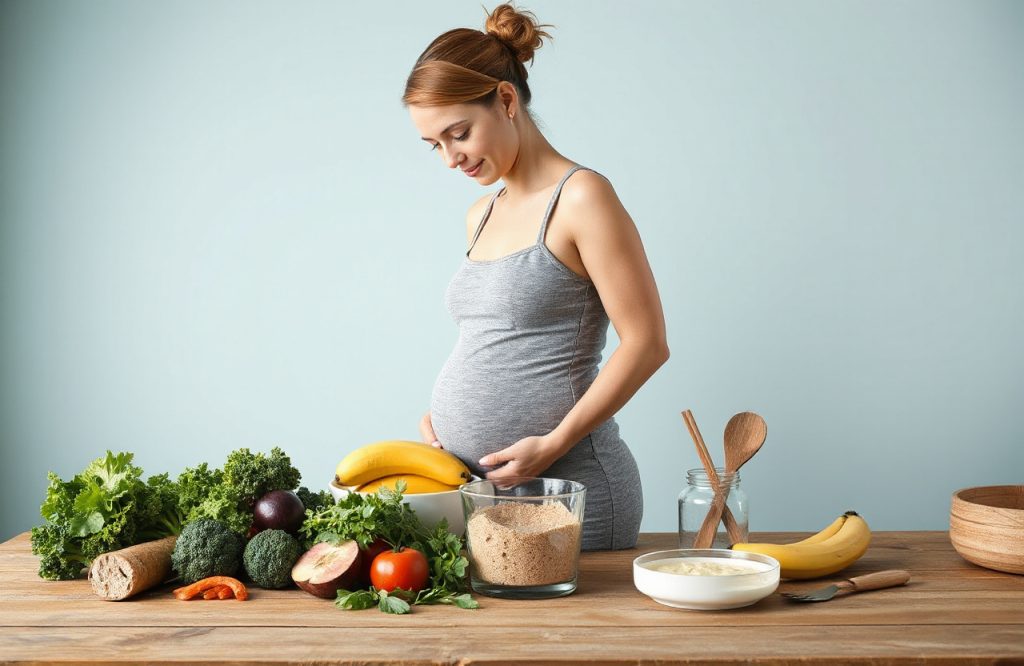
The Controversy Surrounding the Keto Diet During Pregnancy
Understanding the Keto Diet
The ketogenic diet is characterized by high fat, low carbohydrate, and adequate protein intake. It is widely adopted for weight maintenance and bodybuilding. Along with weight loss, this diet may help stabilize blood sugar levels and regulate menstrual cycles. However, the body finds it more challenging to utilize fats for fuel compared to carbohydrates. Consequently, those following a keto diet are generally advised to limit their carbohydrate intake to less than 50 grams per day while increasing their fat consumption. This approach aims to derive most daily calories from fats to promote the natural burning of body fat.
Medical Recommendations for the Keto Diet
Healthcare professionals sometimes recommend the keto diet for individuals with specific medical conditions, such as diabetes, polycystic ovary syndrome (PCOS), and epilepsy. Nevertheless, its application during pregnancy is contentious due to the process of ketosis, where the body burns fat for energy instead of carbohydrates. This process results in the liver producing ketones to serve as an alternative energy source.
Potential Benefits of the Keto Diet in Pregnancy
There is some evidence suggesting that a ketogenic diet may offer advantages for pregnant women, particularly those who are overweight or obese. Consuming a low-carbohydrate, high-fat diet, which includes foods like celery, cauliflower, eggs, fish, meats, avocado, and cheese, has been linked to a reduced incidence of morning sickness, nausea, miscarriage, pre-eclampsia, and gestational diabetes. Furthermore, research published in the journal Seizure indicates that a ketogenic therapy may help manage seizures in pregnant women with epilepsy, as evidenced by two case studies where pregnant women experienced controlled symptoms and healthy pregnancies, albeit with some mild side effects like lowered vitamin levels and increased cholesterol.
Risks Associated with the Keto Diet During Pregnancy
Despite the potential benefits, the keto diet is generally not advisable during pregnancy. A balanced diet is crucial at this time, as the developing fetus requires adequate vitamins, nutrients, minerals, iron, and folate. The limitations on fruit and vegetable intake due to their carbohydrate content can lead to insufficient nutrient levels, potentially hindering the baby’s growth and development. Carbohydrates, particularly from grains such as wheat flour, rice, and pasta, are vital as they are rich in folic acid essential for fetal development.
Additionally, while protein is a component of the keto diet, it may lead to increased consumption of saturated fats. Although healthy fats are important for both mother and baby, excessive saturated fat intake can result in health issues, including elevated cholesterol levels. Studies in animals have shown that a keto diet during gestation can adversely affect embryonic organ development, leading to larger hearts and smaller brains, which may correlate with organ dysfunction and behavioral changes. Research published in BMC Pregnancy and Childbirth highlighted that a low carbohydrate diet in pregnant mice resulted in smaller brain development and neurobehavioral changes in their offspring, while another study in Brain and Behavior found increased anxiety and depression risks in adult offspring of keto-diet-fed pregnant mice.
Side Effects and Health Risks
The ketogenic diet can also cause various side effects collectively referred to as the “keto flu,” which may include fatigue, dizziness, nausea, headaches, and muscle cramps. These symptoms can exacerbate the typical discomforts associated with pregnancy. Moreover, a keto diet raises the risk of starvation ketoacidosis, a metabolic disturbance resulting from high ketone levels, which can lead to blood acidity. Since ketones can cross the placenta, the keto diet is generally not recommended during pregnancy.
While evidence suggests that a low carbohydrate diet might aid in managing gestational diabetes, which is characterized by elevated blood sugar levels during pregnancy, complete adherence to a keto diet may not be necessary. It is crucial for pregnant women to maintain a balanced diet that includes a combination of healthy fats, proteins, and carbohydrates. A low carbohydrate diet that provides sufficient healthy fats, protein, fiber, fruits, and vegetables may be more appropriate than strict adherence to a keto diet.
Consultation and Recommendations
The health and development of the fetus should always be prioritized. Pregnant women considering a keto diet or any dietary plan should consult their healthcare provider for personalized guidance.
Written by Albina Babu, MSc
References:
Is low carb and keto safe during pregnancy? (2019). Diet Doctor. Retrieved from: https://www.dietdoctor.com/low-carb/ketovan der Louw, E.J., et al. (2017). Ketogenic diet therapy for epilepsy during pregnancy: a case series. Seizure, 45, pp.198-201.
Sussman, D., et al. (2013). Effects of a ketogenic diet during pregnancy on embryonic growth in the mouse. BMC Pregnancy and Childbirth, 13(1), pp.109-120.
Sussman, D., Germann, J. and Henkelman, M. (2015). Gestational ketogenic diet programs brain structure and susceptibility to depression & anxiety in the adult mouse offspring. Brain and Behavior, 5(2).
Tóth, C. and Clemens, Z. (2014). Type 1 diabetes mellitus successfully managed with the paleolithic ketogenic diet. Int J Case Rep Images, 5(10), pp.699-703.