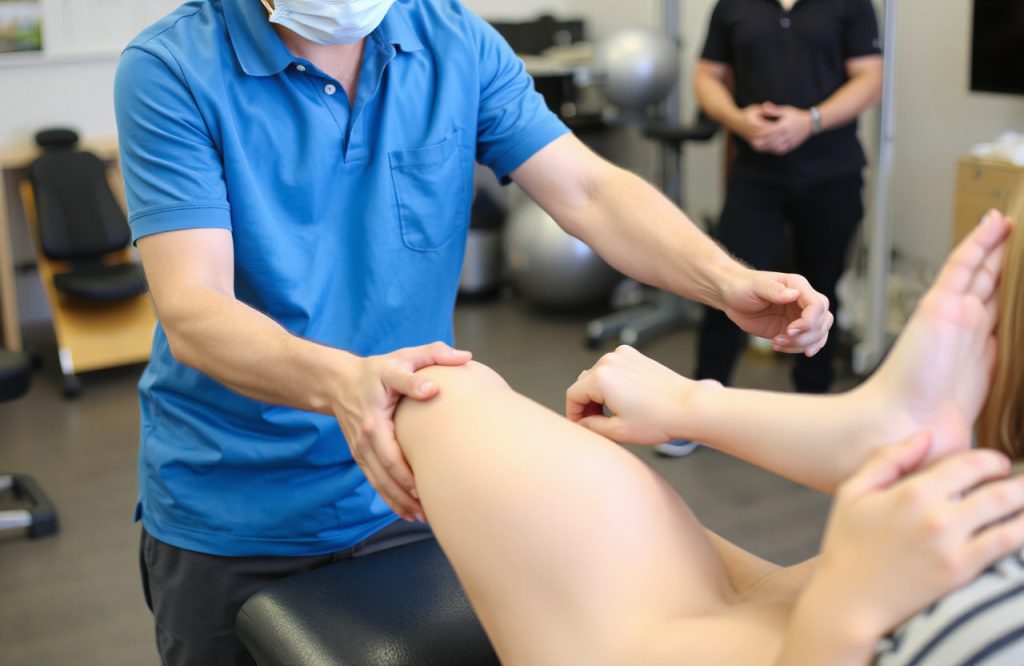
Understanding the Importance of Physical Therapy
The Necessity of Physical Therapy
Engaging in physical therapy is often an unpleasant experience, yet it plays a crucial role in recovery after an injury. Skipping this essential process may lead to a lack of functionality, which can have a long-term negative impact on your quality of life. Injuries can arise from various situations, such as a car accident, which can occur unexpectedly even for cautious drivers. This underscores the importance of having car insurance, which is required in most states. For example, New Mexico mandates drivers to carry a minimum of $25,000 in bodily injury coverage per person.
Injuries can also result from slip-and-fall incidents or sports activities. Regardless of the cause, if a healthcare provider recommends physical therapy, it is vital to follow their advice. Neglecting this recommendation can hinder your recovery and lead to feelings of sadness and aimlessness.
What is Physical Therapy?
Defining Physical Therapy
Physical therapy encompasses a variety of practices and treatments that aim to address injuries or physical limitations. The process typically involves a combination of stretching, massage, and strengthening exercises. A doctor will usually initiate the process by recommending physical therapy and discussing its benefits in relation to your specific condition. Individuals recovering from fractures or soft tissue injuries are often prime candidates for this type of therapy.
Once you have a doctor’s recommendation, you can schedule an appointment with a physical therapist. Be prepared to provide this documentation when contacting a physical therapy center.
Costs Associated with Physical Therapy
Understanding the Financial Aspects
Physical therapy can become expensive, but having health insurance often reduces costs significantly. Most health insurance plans recognize the medical necessity of physical therapy and will typically cover it if a doctor recommends it. However, insurance policies often limit the number of sessions permitted annually.
For instance, if your health insurance allows for 40 physical therapy visits per year and you attend twice weekly, you might exhaust your coverage before the year ends. Therefore, it is advisable to reduce the frequency of visits to once per week as needed.
Physical therapy centers are usually accommodating and will provide exercises for you to do at home, which can enhance your progress. Additionally, be prepared to pay a copay for each visit, which can range from $30 to $80, depending on your insurance plan.
What to Expect During Physical Therapy
The Initial Consultation
At your first appointment, you will meet your physical therapist, who will primarily guide your treatment. They will inquire about your injury or condition, whether you are recovering from surgery or dealing with a chronic issue.
The therapist will assess your range of motion and pain levels before tailoring a treatment plan that allows you to work together towards recovery.
The Healing Journey
Initially, your therapist will assign gentle exercises to help warm up the affected area. As your treatment progresses, the exercises will become more challenging. These sessions may incorporate various equipment, such as free weights, resistance bands, and more, while also focusing on exercises you can perform at home.
Consistency is key to recovery; it is essential to adhere to your exercise regimen both during and outside of therapy sessions. Following your targeted exercises, your therapist may provide massages and work on improving your range of motion, which can be uncomfortable but is necessary for recovery.
While the process may be painful at times, perseverance is crucial. It is important to remember that avoiding discomfort may prevent full recovery, potentially resulting in lasting physical limitations.
In time, if you remain committed to your therapy, you should begin to see improvements in your condition. Although the path to recovery is not easy, it is a journey many individuals must undertake.
Conclusion
Physical therapy is an important step in the healing process for various injuries. Understanding its significance, costs, and what to expect can help you navigate your recovery journey effectively.