Understanding the Molecular Mechanisms of SFTSV Infection
The Rise of Tick-Borne Diseases
Recent research highlights the increasing threat of tick-borne diseases to human health. Lyme disease remains the most prevalent tick-borne illness in the United States, but more than 16 other diseases carried by ticks have been identified.
Asian Longhorned Tick and SFTSV
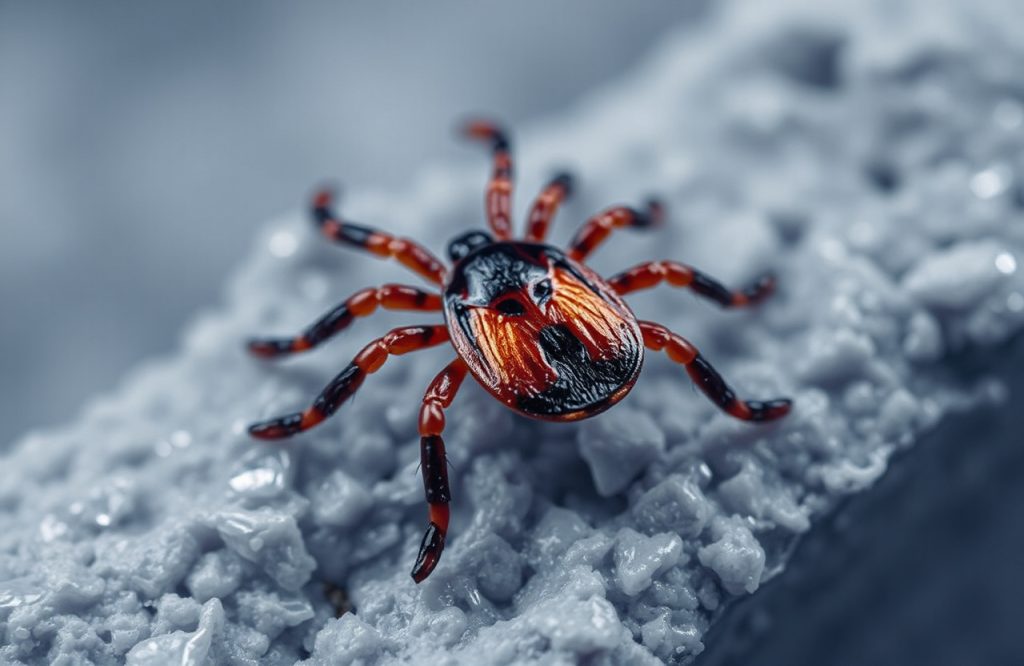
The Severe Fever with Thrombocytopenia Syndrome Virus (SFTSV) is a newly recognized virus that can lead to severe hemorrhagic fever. The Asian longhorned tick, primarily a pest affecting livestock in East and Central Asia, can transmit this virus to humans. Infections predominantly affect farmers and forest workers, with a significant number of cases occurring in individuals aged 50 and older.
Characteristics and Symptoms of SFTSV
SFTSV shares a common trait with other viruses in its family: it can inhibit the immune response during infection. Symptoms associated with SFTSV include diarrhea, nausea, and muscle pain. The virus also affects blood clotting by depleting platelets, increasing the risk of hemorrhage. Approximately 30% of hospitalized patients with this illness face fatal outcomes. Since its emergence in seven Chinese provinces in 2009, SFTSV has spread to an additional seven provinces in China, as well as South Korea and Japan. While there are no confirmed cases of SFTSV in the United States, several states have reported the presence of ticks capable of carrying the virus.
The Need for Therapeutic Solutions
Lack of Current Treatments
Currently, there are no vaccines or antiviral treatments available for tick-borne hemorrhagic fever due to a limited understanding of the infection mechanisms. This knowledge gap has prompted research initiatives aimed at uncovering the underlying processes of SFTSV infection. A recent study published in Nature Microbiology provides insights that may pave the way for future treatments and vaccines.
Mechanisms of Immune Evasion
Previous studies established that SFTSV can evade the immune system through the production of non-structural proteins (NSs). However, the specific mechanisms by which these proteins disable the immune response were not fully understood. In this study, researchers conducted experiments using human cells and mouse models, revealing that viral NSs proteins target a host cell protein known as TPL2. This interaction triggers a cascade of cellular reactions that leads to increased production of interleukin 10 (IL10), an anti-inflammatory molecule that dampens the immune response, allowing the virus to replicate and cause illness.
Experimental Approaches and Outcomes
In experiments where mice were infected with a modified version of SFTSV that blocked the function of NSs proteins, the animals exhibited milder disease symptoms, and most survived. Additionally, treating infected mice with a substance that inhibited TPL2 function also resulted in significant recovery rates, underscoring the potential for targeted interventions.
Future Directions for Treatment and Prevention
Implications for Drug and Vaccine Development
This study elucidates the infection mechanisms of SFTSV, an emerging virus associated with severe hemorrhagic fever transmitted through tick bites. The discovery of how viral proteins reduce immune function opens avenues for developing therapeutic strategies. The successful interventions targeting NSs and the host protein TPL2 indicate these proteins are promising candidates for future antiviral drugs and vaccines against this currently untreatable disease.
References
Choi, Y., Park, S.-J., Sun, Y., Yoo, J.-S., Pudupakam, R. S., Foo, S.-S., Shin, W.-J., Chen, S. B., Tsichlis, P. N., Lee, W.-J., Lee, J.-S., Li, W., Brennan, B., Choi, Y.-K., & Jung, J. U. (2019). Severe fever with thrombocytopenia syndrome phlebovirus non-structural protein activates TPL2 signalling pathway for viral immunopathogenesis. Nature Microbiology.
USC science races against tick-borne virus. https://www.eurekalert.org/pub_releases/2019-01/uosc-usr010419.php
Silvas, J. A., & Aguilar, P. V. (2017). The emergence of severe fever with thrombocytopenia syndrome virus. American Journal of Tropical Medicine and Hygiene, 97(4), 992-996.
Bartíková, P., Holíková, V., Kazimírová, M., & štibrániová, I. (2017). Tick-borne viruses. Acta Virologica, 61(04), 413–427.