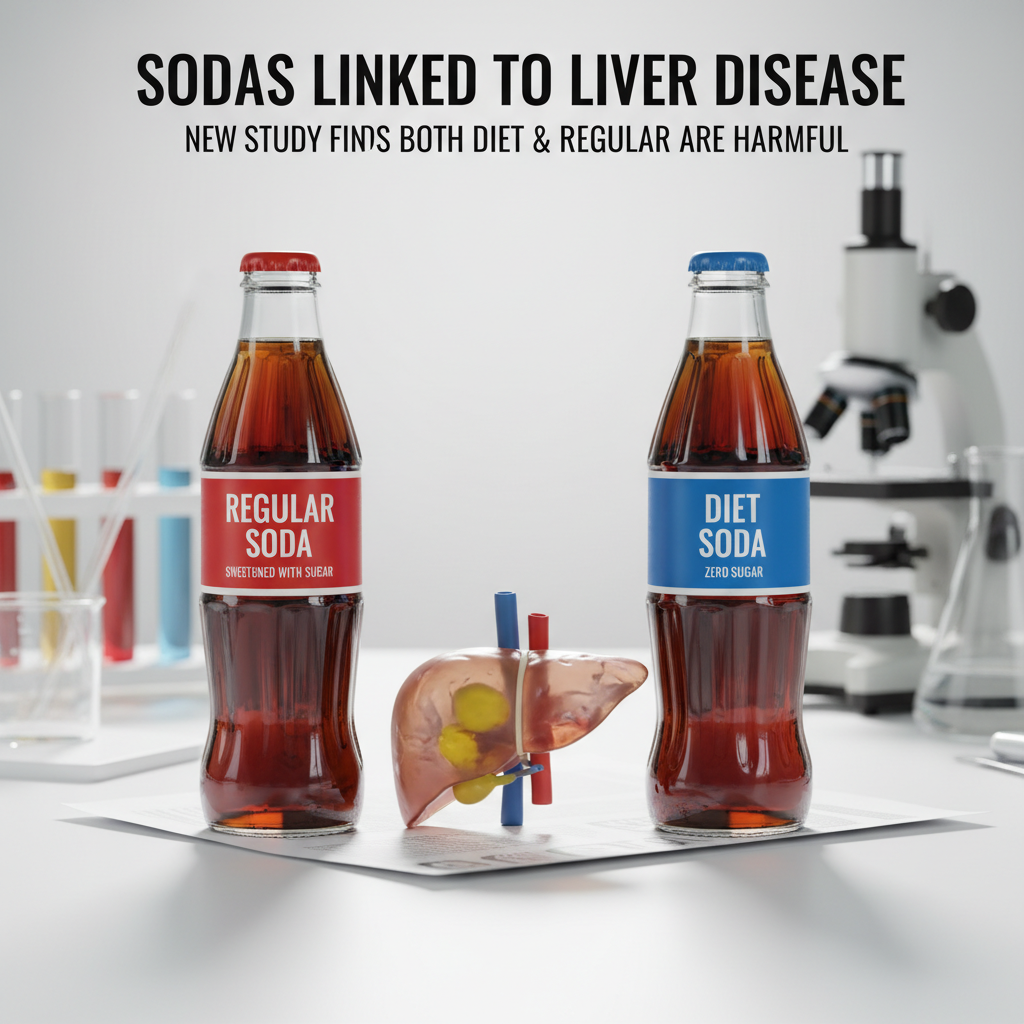
Increased Liver Disease Risk Associated with Soda Consumption
Overview of the Study
A recent study indicates that drinking slightly more than one can of either diet or regular soda daily may elevate the risk of liver disease. This revelation prompts critical discussions regarding the health effects of both sugar-sweetened and artificially sweetened beverages.
The Debate: Diet vs. Regular Beverages
Diet sodas are frequently viewed as healthier choices compared to their sugar-laden counterparts. However, ongoing research is delving into the potential risks linked to both types of drinks.
Key Findings on Beverage Consumption and Liver Health
Recent findings reveal a correlation between higher intake of sugar-sweetened beverages and low or non-sugar-sweetened options with an increased risk of metabolic dysfunction-associated steatotic liver disease (MASLD).
What is MASLD?
Metabolic dysfunction-associated steatotic liver disease (MASLD) is defined by an accumulation of fat in the liver that occurs independently of alcohol consumption. Individuals diagnosed with MASLD may face a heightened risk of severe liver complications and additional health issues, such as cardiovascular disease.
Study Details
The research, which examined data from over 103,000 participants, demonstrated that greater consumption of both diet and regular sodas correlated with a heightened risk of developing MASLD. Additionally, the findings suggested that low or non-sugar-sweetened beverages were associated with an increased risk of liver-related mortality.
Presentation and Future Research
Although the study’s findings have not been published in a peer-reviewed journal, they were presented at UEG Week 2025, the annual congress of United European Gastroenterology. These results highlight the potential dangers of consuming low or non-sugar-sweetened beverages, necessitating further exploration.