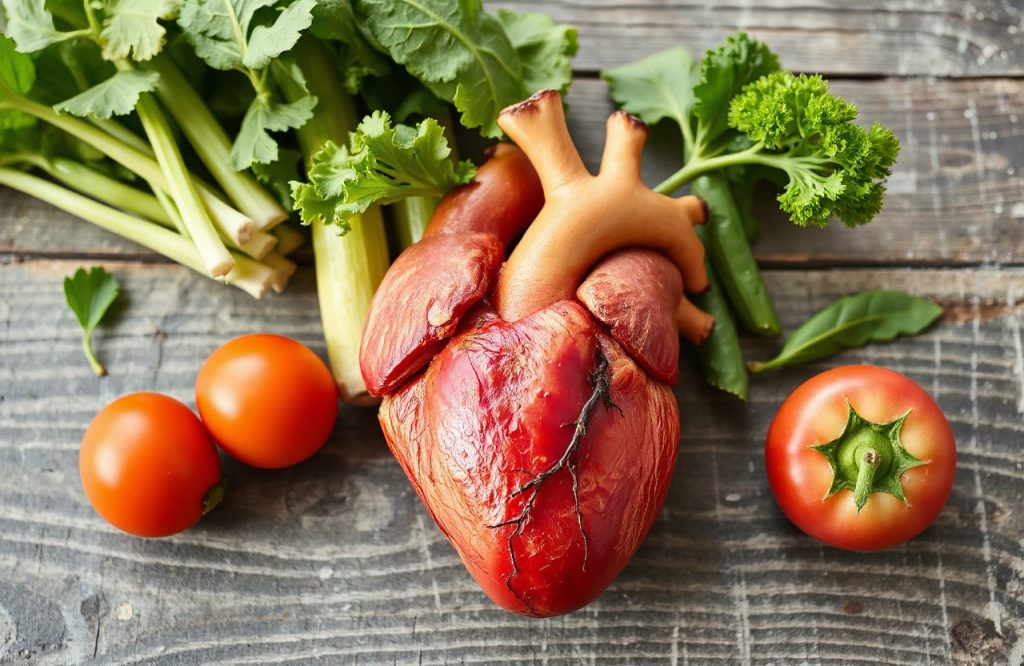
Investigation into TMAO and Heart Health
Understanding Hypertension and Heart Disease
A recent study explored the role of a compound produced by gut bacteria, which is generated when consuming fish and vegetables, in promoting heart health by alleviating symptoms of heart disease associated with high blood pressure. Hypertension, commonly known as high blood pressure, elevates the risk of serious heart conditions, including heart attacks and strokes.
The Role of TMAO
The compound in focus is trimethylamine N-oxide (TMAO), which has produced mixed findings in recent research regarding its association with heart disease risk. TMAO originates from trimethylamine (TMA), which is synthesized by gut bacteria. The consumption of TMAO-rich foods, such as fish and vegetables, significantly elevates TMAO levels in the bloodstream. However, the implications of high TMAO levels on cardiovascular health remain uncertain.
Dietary Implications for Heart Health
Previous research indicated that high consumption of red meat and eggs leads to increased TMAO levels, heightening the risk of heart disease. Consequently, it has been recommended to limit these foods to prevent cardiovascular issues. Conversely, a diet abundant in fish and vegetables is traditionally viewed as beneficial for reducing heart disease risk. Yet, a recent study published in the American Journal of Physiology-Heart and Circulatory Physiology by Polish researchers challenges this view, suggesting that such diets may be linked to elevated TMAO blood plasma levels.
Effects of TMAO on Hypertensive Rats
Study Design and Methodology
The researchers investigated the effects of TMAO levels on rats genetically predisposed to high blood pressure. They administered TMAO treatments to three groups: one group received a low-dose of TMAO in their drinking water, the second group was given plain water, and the third group, serving as the control, consisted of rats without a genetic predisposition to hypertension, who also received plain water. The treatment duration was either 12 or 56 weeks, after which assessments of blood pressure and potential damage to the heart and kidneys were conducted.
Study Findings
Results indicated that TMAO treatment elevated blood TMAO levels to approximately four times the normal production rate in the body. Notably, this increase did not influence the development of high blood pressure in genetically predisposed rats. Furthermore, the low-dose TMAO treatment was associated with a decrease in markers related to heart failure in the hypertensive rats.
Conclusion and Future Research Directions
Implications for Diet
These findings provide new insights suggesting that elevated TMAO levels may have positive effects on blood pressure. Consequently, the study indirectly supports the adoption of vegetarian or Mediterranean diets, rich in fish, fruits, and vegetables, as beneficial for heart health. Nevertheless, further research is necessary to clarify the effects of TMAO and TMA levels on the circulatory system.
References
Huc T, Drapala A, Gawrys M, Konop M, Bielinska K, Zaorska E, Samborowska E, Wyczalkowska-Tomasik A, Pączek L, Dadlez M, Ufnal M. CHRONIC, LOW-DOSE TMAO TREATMENT REDUCES DIASTOLIC DYSFUNCTION AND HEART FIBROSIS IN HYPERTENSIVE RATS. Am J Physiol Heart Circ Physiol. 2018 Sep 28. doi: 10.1152/ajpheart.00536.2018.
Eat your vegetables (and fish): Another reason why they may promote heart health. EurekAlert Website https://www.eurekalert.org/pub_releases/2018-11/aps-eyv110518.php. Accessed November 9, 2018.