Managing Irregular Menstruation and Cramps Naturally
Introduction
Irregular menstruation and menstrual cramps can significantly impact daily routines. This article aims to explore natural dietary options that may promote a healthier menstrual cycle.
Key Points
– Discover how vitamin C-rich fruits can help regulate your cycle.
– Learn about the benefits of herbs like parsley and ginger for menstrual health.
– Understand how avocados and fermented foods can aid in hormone balance.
– Explore the role of leafy green vegetables in managing heavy menstrual cycles.
Understanding the Menstrual Cycle
A woman’s menstrual cycle is often viewed as an unwelcome monthly occurrence, particularly when complications arise. Irregular cycles, inconsistent blood flow, and severe cramps can make this time challenging. Fortunately, various strategies exist to alleviate these issues.
Dietary Solutions for Menstrual Irregularities
Every woman’s body is unique, which means solutions can vary. However, food serves as an accessible means to address menstrual irregularities. Nutrient-rich foods can support overall health, assist in blood regulation, and provide pain relief.
Foods That Support a Healthy Menstrual Cycle
Certain foods can promote a balanced and healthy menstrual cycle. Below are some options that may help.
Fruits
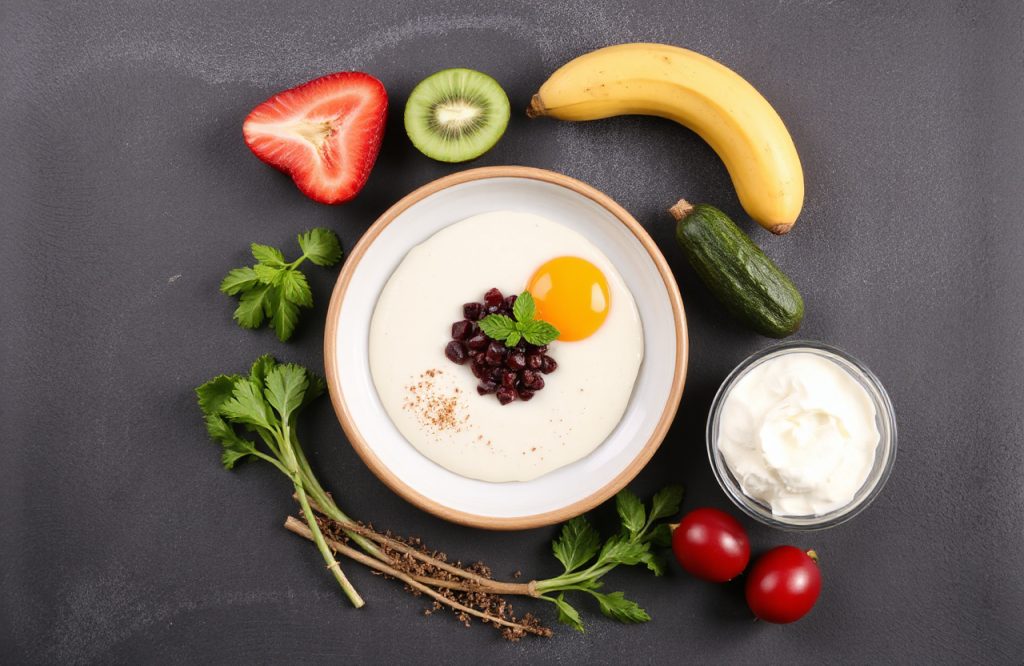
Fruits are a vital part of a healthy diet, offering essential nutrients such as vitamin C, folic acid, and potassium. Fruits like pineapple, oranges, and pomegranates, rich in vitamin C, can stimulate estrogen production and potentially induce menstruation. For those with irregular cycles, incorporating these fruits may help normalize menstrual patterns. Additionally, water-rich fruits like watermelon and cucumber can aid hydration and alleviate bloating.
Parsley
Parsley, commonly used in cooking and herbal remedies, contains apiol and myristicin, compounds that may stimulate uterine contractions. Rich in vitamins A, C, and K, parsley can also be brewed into tea to ease menstrual cramps by softening the cervix. However, it is advisable to avoid parsley during pregnancy due to its potential effects.
Ginger
Ginger has been utilized for its medicinal properties for centuries. It contains vitamin C and magnesium, which can encourage uterine contractions and potentially induce menstruation. Additionally, ginger may alleviate menstrual cramps by reducing pain-causing prostaglandins. For a tasty option, consider making ginger tea or gingerbread.
Avocado
Avocado is packed with nutrients and healthy fats, which can influence prostaglandin production and help regulate uterine contractions. It is also a good source of magnesium, potassium, and fiber, contributing to hormonal balance.
Fermented Foods
Fermented foods, known for their health benefits, are rich in probiotics that support gut health. These foods can aid in the metabolism of estrogen, helping to regulate menstrual cycles. Examples include kimchi and tempeh.
Leafy Greens
Leafy greens such as spinach and kale are essential for women experiencing heavy menstrual cycles, as they can boost iron levels and counteract fatigue. Consuming these greens can help maintain a balanced diet and support menstrual health.
Conclusion
Incorporating these nutrient-dense foods into your diet may provide a natural alternative to medications for managing menstrual irregularities. Understanding how conditions like dysmenorrhea affect overall well-being is crucial for maintaining menstrual health. For tailored advice, consider consulting with healthcare professionals.
Disclaimer
Any external links provided by Medical News Bulletin are for informational purposes only and do not imply endorsement or responsibility for the content. Medical News Bulletin does not offer specific medical advice, diagnosis, or treatment. Please consult a healthcare professional for personalized guidance.