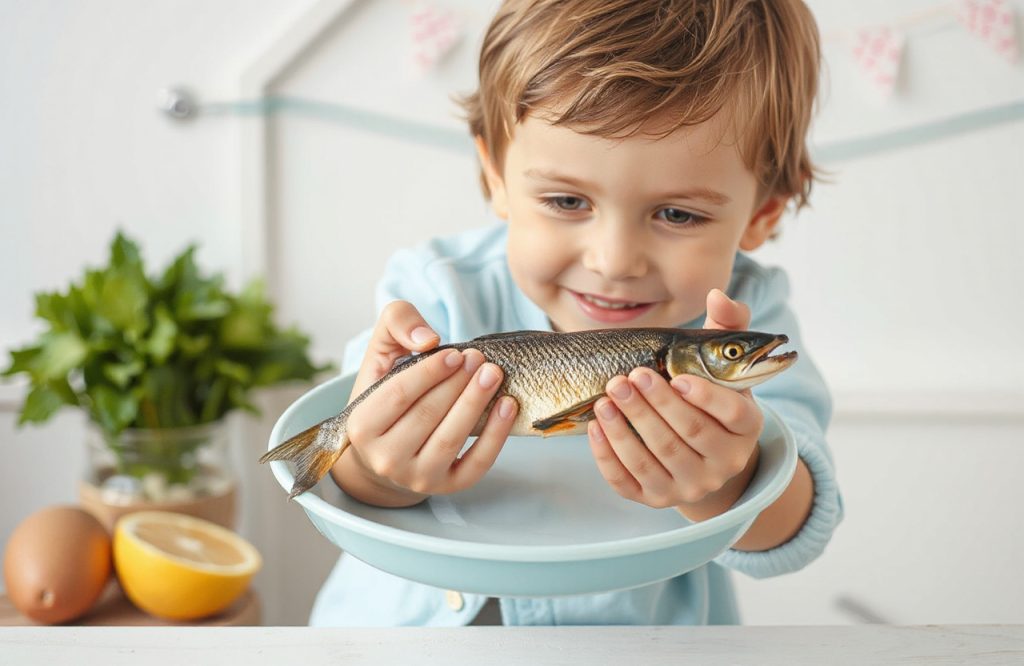
Health Benefits of Fish Consumption in Early Childhood
Rising Allergy-Related Conditions
A recent study highlights the significant health advantages of incorporating fish into children’s diets during early childhood. Allergy-related conditions, including eczema (atopic dermatitis), asthma, allergic rhinoconjunctivitis, and food allergies, have notably increased since the 1950s. Research suggests that dietary habits, particularly low consumption of fish and cod liver oil, may contribute to this rise.
Study Overview
Researchers recently investigated the impact of fish and cod liver oil intake on children’s health. The findings were published in the journal Nutrients. The study utilized data from over 4,000 families involved in the pediatric allergy survey, Prevention of Allergy among Children in Trondheim, conducted in 2000. Children and their mothers were tracked from pregnancy until the child reached six years old. Mothers completed lifestyle questionnaires regarding their fish and cod liver oil intake until the child was two, after which the focus shifted to allergy-related symptoms at the age of six.
Key Findings on Allergy-Related Diseases
The study revealed that children who consumed fish at least once a week at the age of one exhibited a lower incidence of allergy-related diseases compared to those with less frequent fish intake. Specifically, the occurrence of eczema was reduced by 28%, and asthma cases decreased by 40%. Additionally, earlier introduction of fish into a child’s diet correlated with a reduced risk of developing allergies.
Type of Fish and Gender Considerations
Notably, the type of fish consumed did not impact the health outcomes. Both oily fish (such as ocean perch, halibut, salmon, trout, herring, and mackerel) and lean fish (like cod and pollock) contributed to health improvements. There were also no significant differences in results based on the child’s gender.
Maternal Consumption and Timing of Introduction
Interestingly, the consumption of fish and cod liver oil by pregnant and breastfeeding mothers did not show as significant an effect as the child’s own fish intake at one year of age. Children who began eating fish at two years did not experience the same protective benefits.
Additional Factors Considered
The researchers also accounted for other variables, including family history of allergies, parental smoking habits, and socioeconomic status. It was noted that children of parents with higher education and income levels might have advantages in health due to better dietary options and other factors influencing disease development.
Conclusion and Recommendations
The researchers concluded that incorporating fish or cod liver oil into a child’s diet could yield substantial health benefits. Based on the study’s results, it is recommended that these foods be introduced as early as one year of age.
References
Øien, Schjelvaag, Storrø, Johnsen, and Simpson (2019). Fish Consumption at One Year of Age Reduces the Risk of Eczema, Asthma and Wheeze at Six Years of Age. Nutrients, 11(9), p.1969.
EurekAlert!. (2019). Fish in early childhood reduces risk of disease. [online] Available at: https://www.eurekalert.org/pub_releases/2019-10/nuos-fie100419.php [Accessed 10 Oct. 2019].
Image by RitaE from Pixabay