Understanding Osteoarthritis and Potential Treatments
The Prevalence of Osteoarthritis
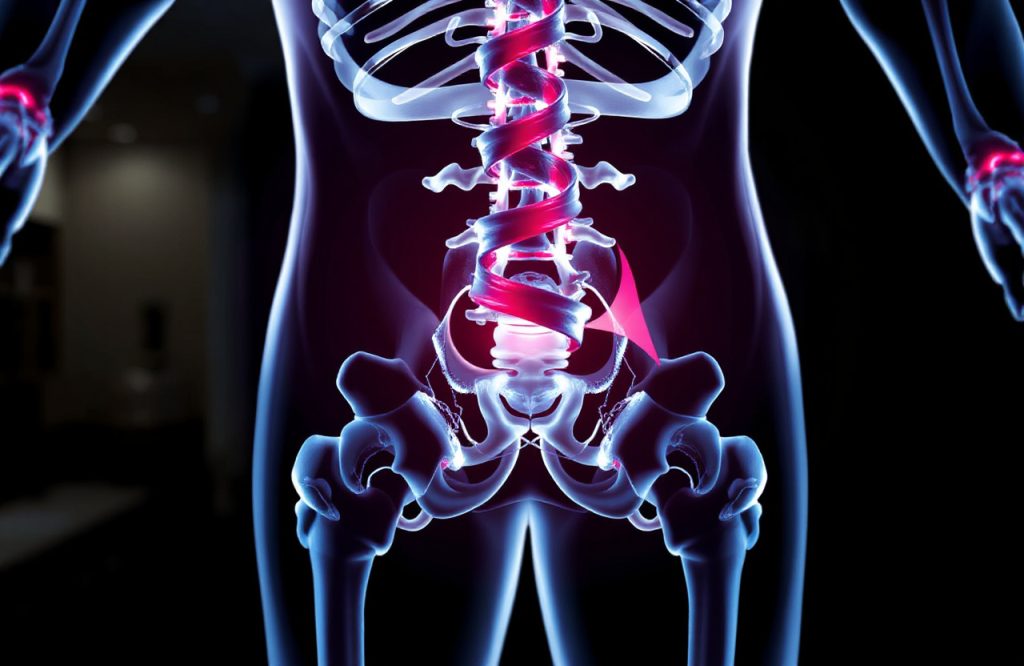
Osteoarthritis is a prevalent condition among older adults characterized by the degeneration of joints. It often leads to pain, deformity, and disability. Currently, there are no effective treatments targeting the root causes of this disease, and many patients ultimately require complete joint replacements as a last resort.
The Mechanisms Behind Osteoarthritis
This degenerative condition arises from an imbalance between bone formation and bone resorption. Cartilage damage occurs, leading to increased bone resorption while bone-building cells compensate by producing excessive new bone. This imbalance is associated with inflammation and oxidation of joint cartilage, further exacerbating the disease.
NRF2: A Potential Therapeutic Target
Recent research highlights NRF2, a protein that counteracts the detrimental processes involved in osteoarthritis. A review published in the Annals of the New York Academy of Sciences by Marchev and colleagues explores the significance of inflammation, oxidation, and NRF2 in the context of osteoarthritis.
Inflammation and Oxidation in Osteoarthritis
Recent studies indicate that immune cells known as neutrophils can trigger inflammatory responses that lead to increased bone damage. These cells have been found in the joints of mice with osteoarthritis, and their inhibition has shown promise in improving the condition. It is possible that these inflammatory effects intensify with age.
Oxidation, a normal byproduct of cellular metabolism, is also implicated in osteoarthritis progression. Elevated levels of oxidation markers are present in the joints of osteoarthritis patients compared to those without the condition. Abnormal oxidation levels may contribute to the degradation and death of joint cartilage, worsening the disease. This oxidative stress could also cause mitochondrial abnormalities, as certain genetic sequences in mitochondria are more vulnerable to damage.
The Role of NRF2 in Joint Health
Cells possess various mechanisms to regulate oxidation, many of which are influenced by NRF2. This protein activates genes that can alleviate joint pain, protect cartilage from degradation, and prevent mitochondrial damage. Mice with diminished NRF2 function exhibit more severe osteoarthritis, along with reduced bone mass and strength. Furthermore, NRF2 may influence the severity of other conditions such as osteoporosis.
However, it is important to note that excessive NRF2 activity could hinder new cartilage formation, indicating the necessity for a balanced NRF2 presence within the body.
Potential Treatments Involving NRF2 Activation
Stem cells may offer a promising avenue for leveraging NRF2 in the treatment of osteoarthritis and other related conditions. Additionally, plant-based medicines, particularly those derived from curcumin and Radix astragali, have the potential to activate NRF2 or mimic its effects, thereby reducing oxidation and enhancing cartilage and bone health.
Conclusion
The ongoing research into NRF2 and its role in osteoarthritis provides hope for new treatment strategies aimed at addressing the underlying causes of this debilitating condition.
Relevant Topics for Further Exploration
– Exploring Treatment Options for Osteoarthritis
– Controlling Osteoarthritis Pain
– Cellular-Based Treatment for Knee Osteoarthritis
– Platelet-Rich Plasma Treatment of Knee Osteoarthritis
– Can High Cholesterol Worsen Osteoarthritis?