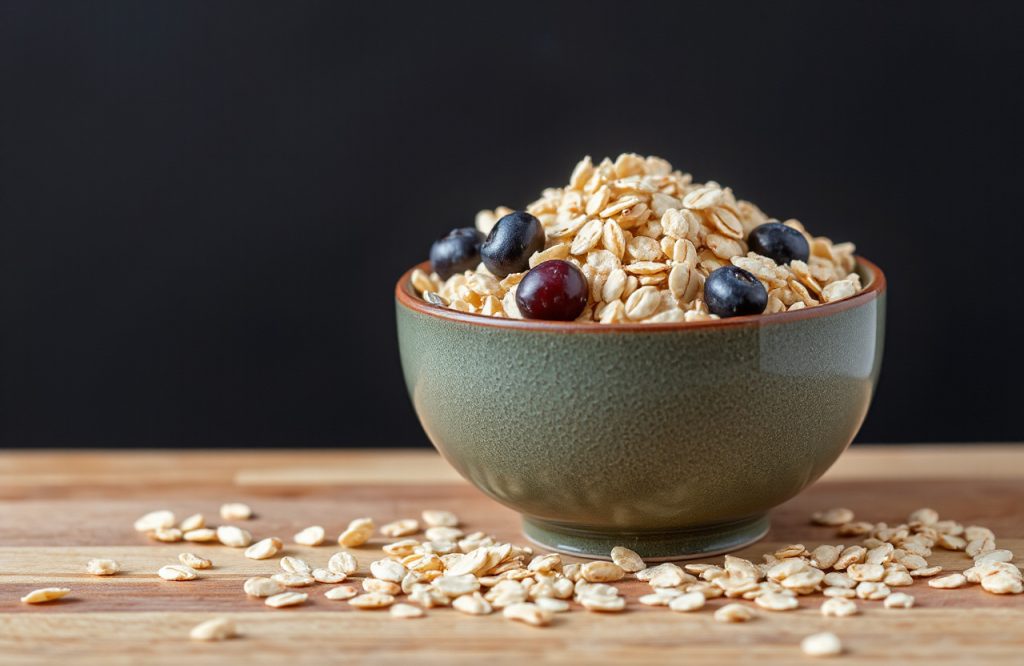
Impact of an Oatmeal Diet on Cholesterol Levels
Study Overview
Researchers conducted a study to evaluate the effects of an oatmeal-only diet on cholesterol levels. The findings revealed that a two-day diet consisting solely of oatmeal led to a notable decrease in cholesterol levels, which persisted for six weeks following the diet.
Benefits of Oat Consumption
The sudden introduction of oats into participants’ diets resulted in positive changes in gut microbiome activity. This alteration is believed to influence cholesterol management at the cellular level.
Comparative Study Findings
In a parallel study lasting six weeks, the same researchers investigated the impact of replacing one meal a day with oats. However, this intervention did not yield similar reductions in cholesterol levels.
Details of the Clinical Trial
Two-Day Oatmeal Diet
Participants who engaged in a low-calorie diet consisting primarily of oatmeal for two days showed a significant reduction in LDL (“bad”) and total cholesterol levels. Specifically, LDL levels decreased by 10%, which, while less than the reductions typically achieved through medication, is still considered significant.
The study involved two parallel, randomized, controlled dietary interventions, focusing on individuals with metabolic syndrome—characterized by elevated blood pressure, blood lipid levels, blood glucose levels, and being overweight.
Trial Participants and Methodology
The first trial examined the effects of the two-day oatmeal diet, involving 32 participants (both men and women). They were either assigned to the oatmeal diet or served as controls on a standard calorie-reduction diet for the same duration.
Participants on the oatmeal diet consumed 300 grams of oatmeal daily, supplemented with vegetables or fruit, resulting in a total caloric intake that was half of their normal consumption. After completing the two-day regimen, participants returned to their usual diets without oats.
Those on the oatmeal diet experienced a weight loss of two kilograms and a slight reduction in blood pressure immediately following the diet.
Six-Week Oat Integration Study
The second trial explored the long-term effects of incorporating oats into the diet. Seventeen participants replaced one meal per day with oats, in various forms such as porridge, smoothies, or baked goods, for six weeks while maintaining their typical caloric intake. The control group did not alter their usual diet aside from avoiding oats.
The researchers concluded that simply adding oats to a daily meal plan did not result in significant changes in LDL or overall cholesterol levels after six weeks.
Conclusion
The study indicates that a brief, intensive consumption of oats may be more effective for lowering cholesterol levels than integrating oats into a regular diet.