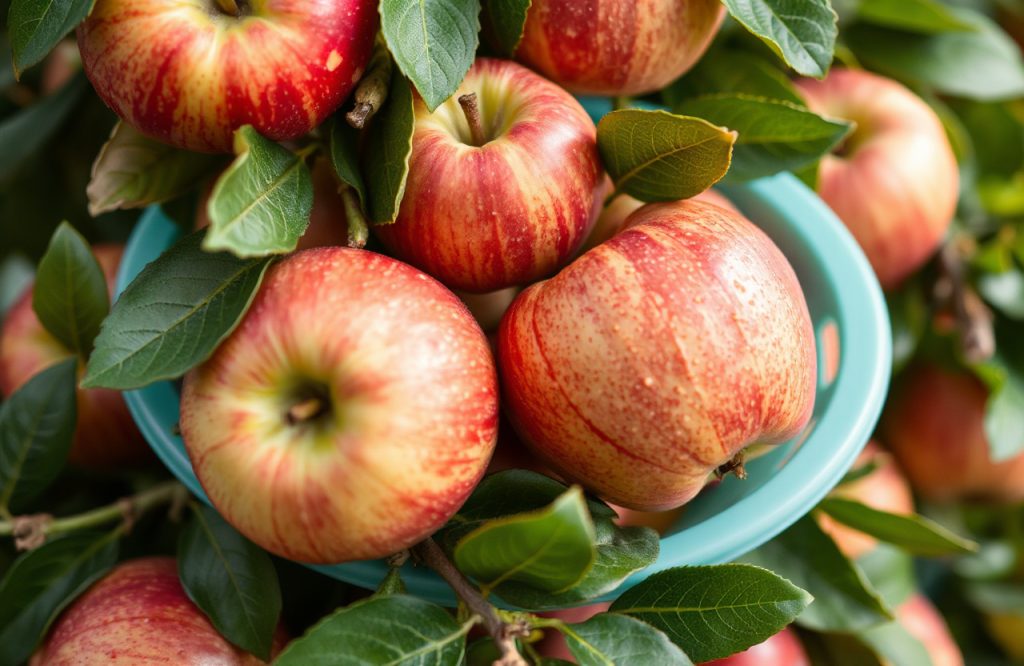
Comparative Study of Bacteria in Organic and Conventional Apples
Introduction to Apple Consumption
A recent study investigated the bacterial content of organically grown versus conventionally grown apples. With approximately 83 million apples produced last year, apples rank among the most consumed fruits worldwide. Beyond their nutritional benefits, such as flavonoids, pectin, and vitamins, apples contribute a significant amount of bacteria that form the transient microbiome in the human gut.
The Role of Transient Microbiomes
Transient microbiomes consist of bacteria that temporarily inhabit the gut. These bacteria can potentially establish residence if they are not outcompeted by other microbes. Often referred to as “flora,” they assist in digesting food that the stomach and small intestine cannot process. Additionally, these bacteria play a vital role in producing vitamins B and K and enhancing immunity by combating opportunistic pathogens.
Importance of Bacteria in Apples
Research suggests that the bacteria found in apples may substantially influence metabolic activities. Studying these microbes in laboratory conditions could yield insights into how agricultural diversity affects human health.
Research Objectives and Methodology
Researchers from Graz University of Technology in Austria aimed to determine the differences in bacterial communities between conventionally produced apples and organic apples. They hypothesized that each apple type would harbor distinct bacterial niche communities and that notable differences would exist between the microbial communities of organic and conventional apples.
To extract the microbes, researchers homogenized the apple flesh and separated the components using centrifugation. Their findings were published in Frontiers in Microbiology.
Findings on Bacterial Abundance and Diversity
Using quantitative Polymerase Chain Reaction (qPCR), the researchers assessed the abundance of bacteria in each sample. The data obtained allowed for the calculation of the Shannon diversity index, which measures the diversity of a population—in this case, bacteria. Despite the differences in cultivation methods, both apple types exhibited significant numbers of the same bacterial species. A total of 141 bacterial species were identified, with 73 species shared between the two apple groups, indicating comparable microbiota levels in both organic and conventional apples.
Implications of Bacterial Genome Sequencing
The sequencing of bacterial genomes revealed that organic apples are less susceptible to diseases. PCR analysis indicated a wider variety of bacterial species in organic apples, enhancing their resilience against pathogens that may threaten farm crops.
Consumer Considerations and Conclusions
Given these findings, consumers are encouraged to consider purchasing organic products to benefit from a diverse microbial community, particularly in regions vulnerable to parasitic invasions. The insights gained from the research conducted by Wassermann, Muller, and Berg empower consumers to make informed decisions regarding agricultural practices that contribute to their own microbial health.
References
Wassermann, Birgit, Müller, Henry, Berg, Gabriele. (2019). An Apple a Day: Which Bacteria Do We Eat With Organic and Conventional Apples? Frontiers in Microbiology. DOI=10.3389/fmicb.2019.01629
News release: Eurekalert. 24 July 2019. Retrieved from: https://www.eurekalert.org/pub_releases/2019-07/f-aac072219.php
Image by Mircea Ploscar from Pixabay.