Introduction to Fall Prevention Programs
Current Trends in Fall Incidences
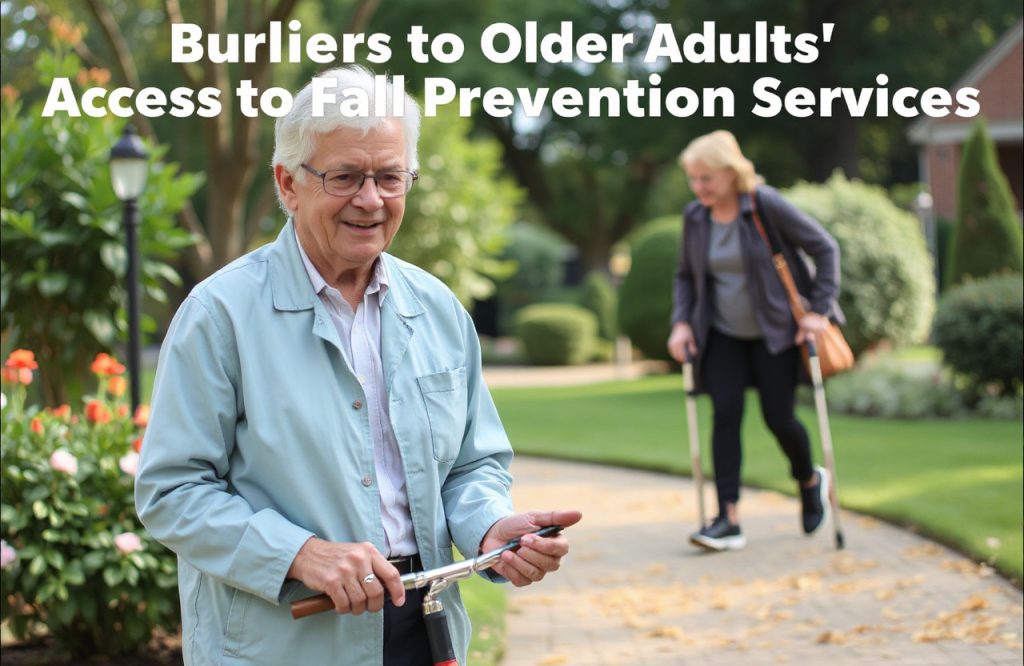
Despite strong evidence highlighting the benefits of fall prevention programs, incidents of falls among older adults are on the rise. A recent study sheds light on the perspectives of organizations regarding the barriers that restrict older adults from participating in these programs and suggests strategies to enhance their effectiveness.
Prevalence of Falls Among Older Adults
Falls in the older adult population are largely preventable through lifestyle changes and home assessments. Nevertheless, 20-30% of older Canadians still experience falls. Alarmingly, the incidence of falls has increased, particularly among Canadian women aged 65 to 75, even with the availability of effective fall prevention strategies. While numerous articles address fall prevention programs, there is a paucity of research focused on the barriers to their implementation.
Barriers to Fall Prevention Program Implementation
Research Findings
Previous studies have indicated a lack of sufficient knowledge among staff about fall prevention services, in addition to limited resources necessary for program execution. A recent article in BMC Geriatrics explored the perceptions of community organization members regarding barriers and strategies for successful fall prevention.
Study Methodology
The qualitative descriptive study involved participants engaged in services for older adults within their communities. Researchers conducted interviews with three public health units in Ontario: North Bay, Parry Sound, Simcoe, Muskoka, and York Region. Each unit included 15 to 20 participants with varying organizational roles, from directors to frontline staff. The interviews, lasting about an hour, focused on factors influencing the ease or difficulty of running the programs and potential strategies for improvement.
Identified Barriers
Participants’ feedback was categorized into four primary barriers that hindered program implementation:
1. Limited communication and coordination
2. Restrictive organizational policies
3. Lack of resources
4. Ageist attitudes
Participants reported challenges in obtaining follow-up information from clients and noted that existing policies did not recognize their program as requiring transportation accommodations. Additionally, while there was a significant demand for services, the region faced a shortage of financial and human resources. Ageist assumptions also persisted, with some older adults being labeled as frail or “beyond repair.”
Strategies for Optimizing Fall Prevention Programs
Proposed Solutions
Participants also suggested several strategies to improve program success, organized into three main areas:
1. **Education**: Implement regular refreshers on the benefits of fall prevention services for participants.
2. **Teamwork**: Encourage collaboration between departments to enhance resource efficiency.
3. **Policy Change**: Engage government officials to support falls prevention initiatives with standardized protocols.
The “Five As” Framework
Given Canada’s diverse geographic landscape, researchers developed the “Five As” framework—accessibility, accommodation, availability, affordability, and acceptability. This framework helps community services understand the factors that influence program success at the individual, organizational, and community levels.
Conclusion
The findings from this qualitative study offer organizations valuable strategies for optimizing fall prevention services in Canadian communities. It is crucial for lead directors to consider resource allocation, budget management, and service quality to enhance the effectiveness of prevention programs. Additionally, the emphasis on education, teamwork, and policy reform enables organizations to tailor services to better meet the needs of participating clients.
Author Information
Written by Jennifer Kaitlyn Chiu, BA (Hons)
Reference
Dykeman, C. S., Markle-Red, M. F., Boratto, L. J., Bowes, C., Gagne, H., McGugan, J. L., & Orr-Shaw, S. (2018). Community service provider perceptions of implementing older adult fall prevention in Ontario, Canada: a qualitative study. BMC Geriatrics, 18(34), 1-9. https://dx.doi.org/10.1186/s12877-018-0725-3.