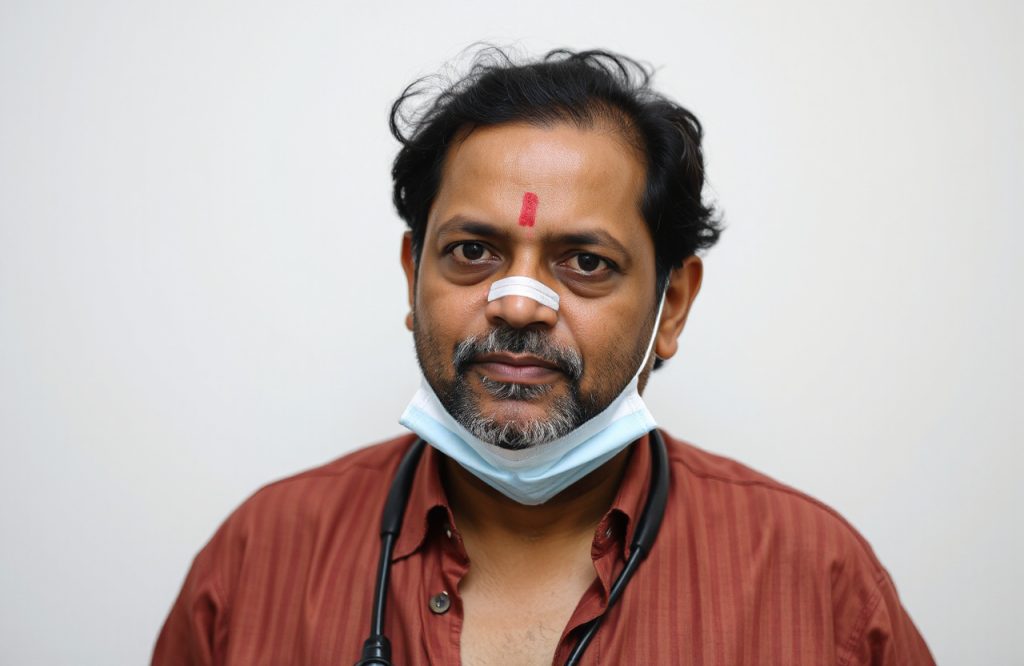
Urgent Health Advisory Issued Amid Declining Air Quality in India
Severe Air Pollution Crisis
New Delhi: As air quality worsens in various Indian cities, a coalition of Padma awardee doctors and medical experts has issued an urgent national health advisory, declaring that the country is facing a “significant public health emergency.” Toxic smog has enveloped areas such as Delhi-NCR and Mumbai, raising concerns about the increasing health risks linked to this environmental crisis.
Impact on Vulnerable Populations
The advisory emphasizes that deteriorating pollution levels threaten the health of all demographic groups, with heightened risks for children, pregnant women, the elderly, and those with pre-existing respiratory or cardiac conditions. A recent report by ANI highlights the urgency of action taken by these medical professionals in response to the declining air quality.
Health Risks Associated with Air Pollution
Signed by over 80 prominent medical experts, the advisory asserts that clean air is an essential human need. It calls for immediate collective action to protect public health. The doctors caution that exposure to toxic air is resulting in serious respiratory problems, increased asthma attacks, and a heightened risk of heart attacks and strokes. They also warn that long-term exposure may cause permanent lung damage in children.
Recommended Precautions for Public Safety
The advisory offers practical recommendations for the public, urging the use of air purifiers when available and the wearing of N95 masks when outdoors. It advises against outdoor exercise during peak pollution times and recommends keeping doors and windows shut during periods of poor air quality.
For households without air purifiers, experts suggest low-cost alternatives such as wet-mopping floors, avoiding incense and candles, and ensuring adequate ventilation while cooking.
Special Measures for At-Risk Groups
The advisory outlines specific precautions for vulnerable populations, which include suspending outdoor school activities, limiting outdoor exposure for pregnant women and the elderly, and ensuring prompt medical attention for individuals with asthma, COPD, or heart disease.
Community and Government Actions Needed
Medical professionals also call for community-level initiatives, such as avoiding waste burning, reducing vehicle emissions, and reporting construction dust. They urge stronger government involvement, advocating for stricter pollution regulations and public advisories based on the Air Quality Index (AQI).
Recent Improvement in Air Quality
Despite the concerning situation, Delhi’s air quality showed significant improvement on Thursday morning, with the overall AQI recorded at approximately 300, according to data from the Central Pollution Control Board (CPCB).