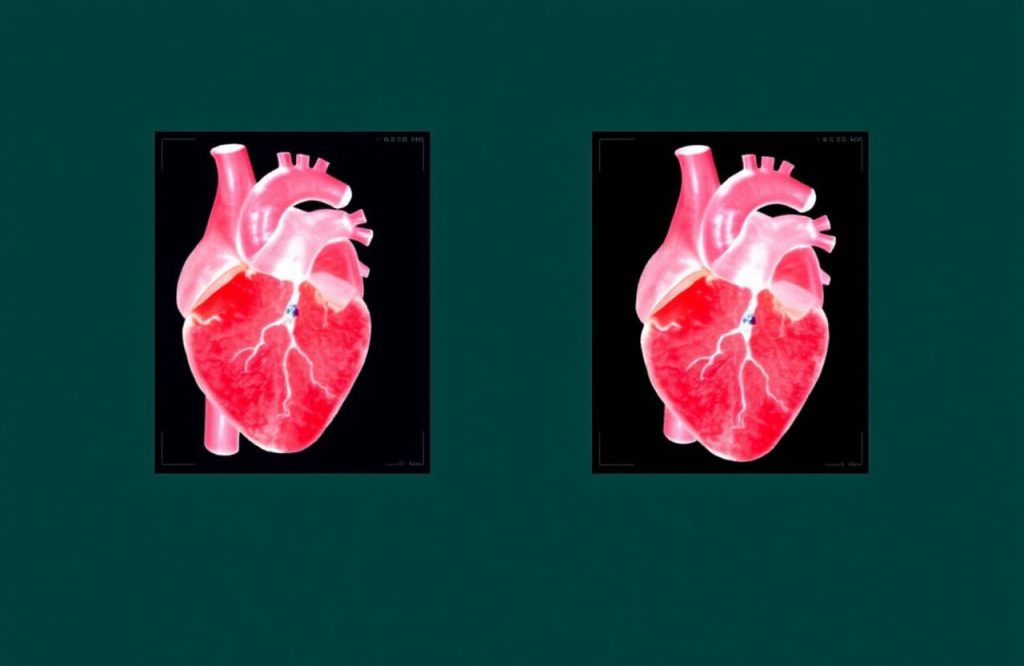
Philips Collaborates with Edwards Lifesciences on AI Tool for Cardiac Procedures
Introduction to DeviceGuide
Philips announced on Monday its partnership with Edwards Lifesciences to create an innovative tool known as DeviceGuide. This technology utilizes artificial intelligence to assist physicians in visualizing and navigating mitral transcatheter edge-to-edge repair (TEER) procedures. DeviceGuide tracks the repair device in real time as it moves through the heart, representing a significant advancement in the application of AI beyond diagnostic imaging and patient monitoring into clinical decision-making during live procedures.
Availability and Regulatory Status
Currently, DeviceGuide is available in select European markets via a limited release. Additionally, it has been submitted to the Food and Drug Administration (FDA) for review, as confirmed by a Philips spokesperson in an email.
Insights into TEER Procedures
Understanding Mitral Regurgitation
Edwards’ Pascal and Abbott’s MitraClip TEER devices have received clearance in the U.S. for the repair of the mitral valve in patients suffering from mitral regurgitation. This condition arises when the valve fails to close properly, resulting in blood flowing back into the heart.
The Role of Imaging in TEER Procedures
Traditionally, physicians rely on X-ray and ultrasound images displayed on multiple screens to guide them through a TEER procedure. They often need to visualize the position of the treatment device within the anatomical structure as they operate.
How DeviceGuide Enhances Visualization
Philips’ DeviceGuide leverages AI technology to merge two-dimensional imaging data, overlaying images of the repair device onto live images of the beating heart. This integration creates a cohesive 3D visual reference observable by all medical personnel in the room. While ultrasound captures soft tissues such as the valve, X-ray imaging provides visibility for instruments and implants. The AI functionality tracks the catheter’s movement through the heart’s chambers, displaying its position and direction.
Benefits of Enhanced Navigation
Atul Gupta, Philips’ chief medical officer for diagnosis and treatment, highlighted that this technology offers doctors a clearer understanding of depth and orientation, which was previously unattainable. The advancements provided by DeviceGuide could facilitate easier navigation of the device, decrease procedure time, and reduce the learning curve for physicians engaged in these complex heart procedures.
Industry Collaborations in Cardiac Imaging
Philips’ announcement regarding its collaboration with Edwards comes shortly after Siemens Healthineers revealed its partnership with Boston Scientific. Together, they aim to develop and commercialize a next-generation intracardiac echocardiography catheter for structural heart procedures. Additionally, GE HealthCare and Volta Medical have a development agreement in place to merge Volta’s AI technology with GE HealthCare’s electrophysiology recording system, which is designed to assist in navigating ablation procedures for treating atrial fibrillation.